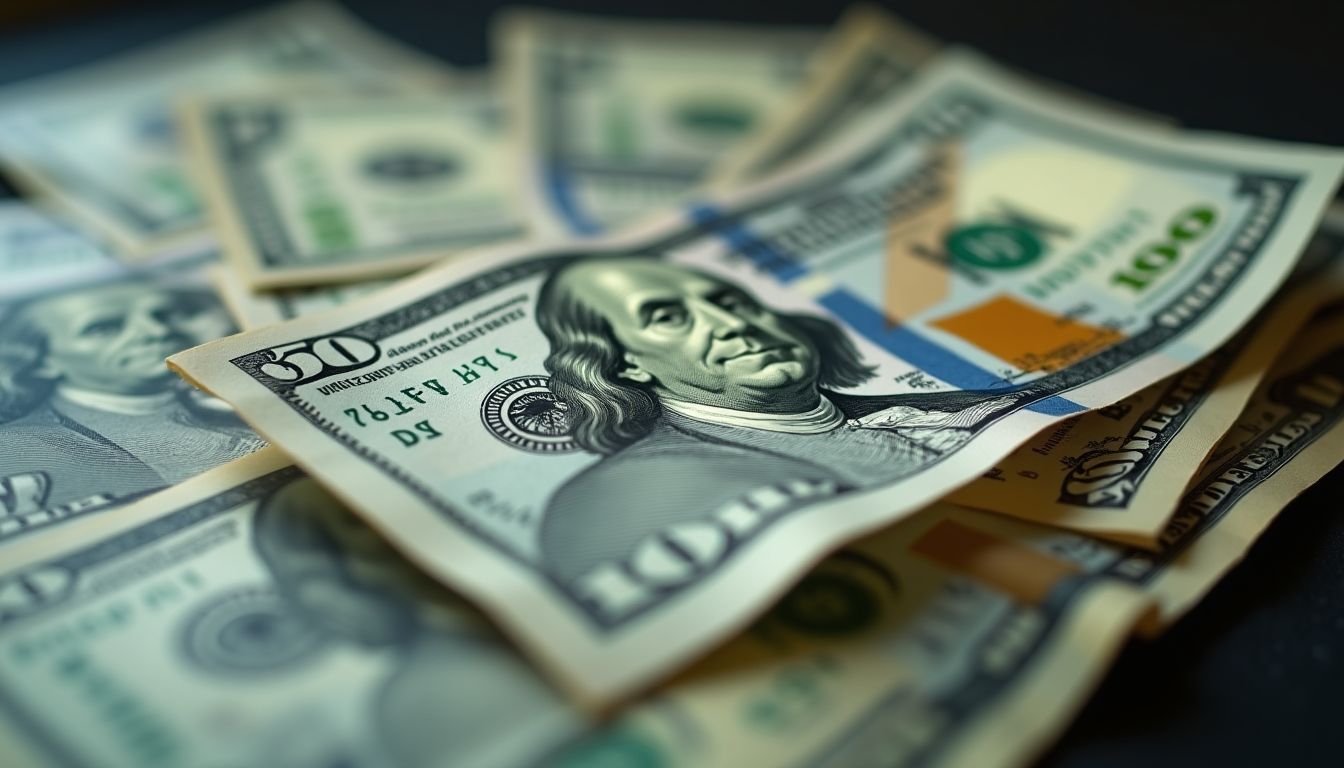
Here's something that'll make you look twice at the cash in your wallet. For 165 years, American currency has maintained a quiet, unspoken rule: no living person's signature goes on the bills. It's one of those traditions so old and steady that most people never even thought to question it. Until now, because Donald Trump's signature is heading to U.S. currency, and suddenly everyone has an opinion about their money.
The reason this hits differently than your average political news story is that currency is deeply personal in a way that policy decisions usually aren't. You touch money every day. You earn it, spend it, stress about it. It's woven into the fabric of ordinary life in a way that, say, executive orders simply aren't. Putting a specific president's personal signature on that everyday object transforms it from a shared national symbol into something that feels distinctly political, and that's a line most Americans didn't expect to see crossed.
There's also the sheer weight of what's being broken here. A 165-year tradition isn't some bureaucratic footnote. That's a standard that survived the Civil War, two World Wars, the Great Depression, and every controversial president in between. None of them put their John Hancock on the dollar bill. The fact that this tradition is ending now, under these specific circumstances, makes people feel like something foundational is shifting beneath their feet. Whether you think that's thrilling or alarming says a lot about where you stand politically.
The cultural conversation around this is fascinating because it cuts across typical political lines in unexpected ways. Even some Trump supporters are pausing on this one, because the instinct to keep national symbols above personal branding is pretty deeply ingrained in American civic identity. On the flip side, critics see it as a textbook example of conflating the institution of the presidency with the individual holding the office. Both reactions are coming from the same place: a gut feeling that some things are supposed to stay neutral ground.
There's also a collector and novelty angle that's genuinely interesting. The moment this change goes into effect, every bill printed before it becomes a historical artifact by default. People are already mentally calculating whether to hold onto their current cash, which is a wild thing to be thinking about your grocery money. History has a funny way of making mundane objects priceless, and people instinctively know they might be holding a "before" in their hands right now.
What makes this moment particularly unique is the timing. We're living in an era where the boundaries between political figures and personal branding have never been blurrier. Trump is arguably the most brand-conscious president in American history, someone who has built an entire empire on the power of his name and signature. Seeing that signature land on currency feels like the ultimate convergence of those two worlds, and it forces a bigger question: where exactly does the president end and the brand begin?
At the end of the day, this story captures attention because it's tangible, immediate, and forces a conversation about identity. Whose country is this? Whose money is this? What does it mean when a national symbol gets a personal stamp? These aren't abstract questions when you're staring at a dollar bill. Sometimes the smallest changes carry the biggest cultural weight, and a signature on a piece of paper is turning out to be one of those moments that people will remember exactly where they were when they heard about it.