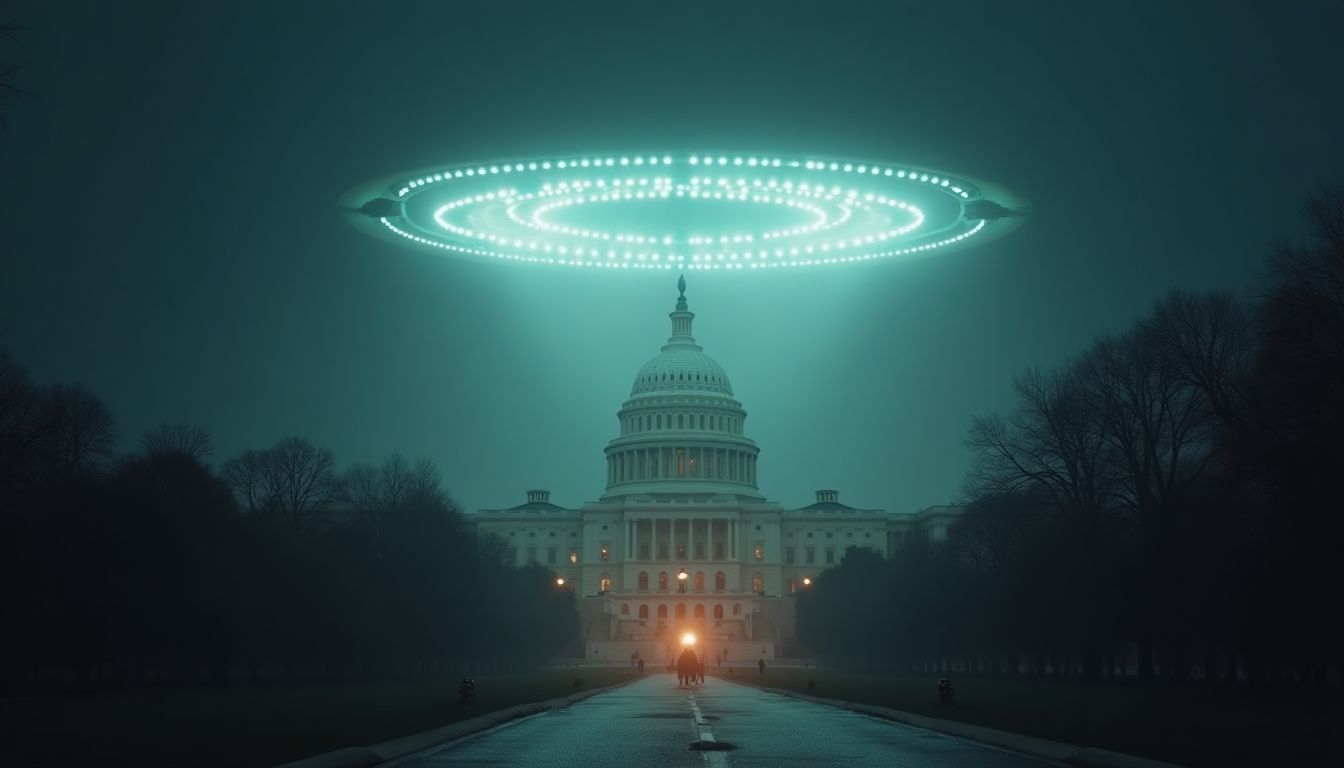

Picture this: You've been asking your secretive older sibling about what they keep locked in their room for literally decades, and they finally crack open the door and say "fine, here's some stuff." That's essentially what's happening with the FBI and alien files right now. After years of official stonewalling, government agencies are actually releasing documents about UFO encounters and unexplained phenomena. The catch? The files are so heavily redacted they look like abstract art projects made entirely of black bars.
What makes this moment absolutely fascinating isn't just the content itself, but the timing. We're living through an era where trust in institutions has cratered, conspiracy theories have gone mainstream, and people are hungry for transparency from organizations that have historically operated in shadows. The FBI releasing these files feels like a small victory in a larger battle for government accountability. It's validation for everyone who ever got called a conspiracy theorist for asking reasonable questions about what our government knows and when they knew it.
The cultural significance runs deeper than just alien enthusiasts getting their moment. This represents a fundamental shift in how classified information gets handled in the digital age. When everything leaks eventually anyway, controlled disclosure becomes a strategic move rather than a grudging concession. The Pentagon's recent acknowledgment of unexplained aerial phenomena wasn't just about little green men – it was about getting ahead of the narrative before someone else writes it for them.
There's also something beautifully human about our collective reaction to these heavily censored documents. We're simultaneously thrilled that they exist and hilariously frustrated by their uselessness. It's like being handed a recipe where every ingredient is blacked out except "salt" and "mix well." The redactions have become a meme unto themselves, representing everything we find absurd about government secrecy. Why release a document that's 90% black bars? The answer probably has more to do with legal compliance than genuine transparency.
The timing coincides perfectly with our current cultural moment of questioning authority and demanding answers. After years of being told to trust institutions while watching them fumble pandemic responses, election integrity, and basic governance, people are naturally skeptical of official explanations. When the government finally admits they have files on unexplained phenomena, it feels like a crack in the wall of official denials. Maybe they do know more than they're letting on about other things too.
What's really captured public imagination is the implication that there might be more where this came from. These releases feel like appetizers before a main course that may never arrive. The files themselves might be disappointing, but they represent proof that the government has been taking this stuff seriously enough to create extensive documentation. That's actually the bigger story – not whether aliens exist, but that our intelligence agencies have been quietly investigating reports for decades while publicly dismissing them.
This moment crystallizes our complicated relationship with government secrecy in the information age. We want transparency, but we also understand that some things need to stay classified. We're curious about the unknown, but we're also pragmatic enough to recognize that the truth is probably less exciting than the speculation. The alien files represent this tension perfectly – they're simultaneously revealing and concealing, satisfying and frustrating, transparent and opaque. In other words, they're exactly what we should expect from government disclosure in 2024.