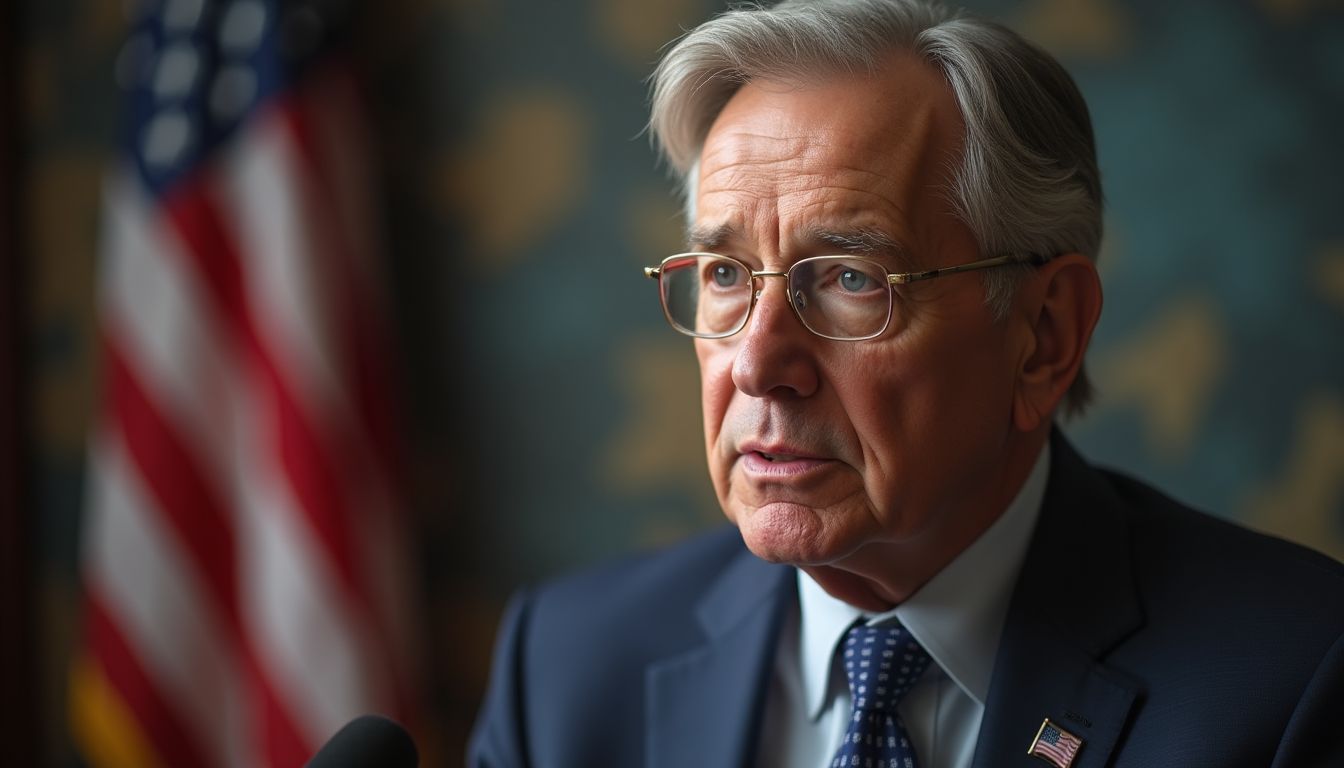

There's something deeply unsettling about watching a respected historian essentially sound the alarm bells about your own country's future. Robert Kagan's stark warning about America sliding toward dictatorship isn't just another political hot take – it's hitting people like a cold splash of water because it's coming from someone who studies how democracies actually die. When an establishment figure who's spent decades analyzing the rise and fall of nations starts using words like "dictatorship" and "without resistance," people pay attention in ways they might not for typical partisan rhetoric.
What makes this moment particularly gripping is the weird cognitive dissonance Americans are experiencing right now. We're living through what many consider a slow-motion constitutional crisis, yet daily life continues with an almost surreal normalcy. People are going to work, buying groceries, streaming Netflix – while simultaneously watching institutions they grew up trusting seem increasingly fragile. Kagan's assessment puts words to that uncomfortable feeling many have been carrying around: that something fundamental is shifting, and maybe we're all just watching it happen.
The timing couldn't be more loaded. We're in this strange historical moment where half the country sees democracy under siege while the other half sees necessary corrections to a corrupt system. Kagan's perspective cuts through the partisan noise because historians have this unique ability to spot patterns across time and cultures. When someone whose job it is to understand how societies collapse starts drawing parallels to your current situation, it forces a kind of uncomfortable self-reflection that transcends typical political divides.
There's also something uniquely American about our relationship with the idea of democratic backsliding. We've always seen ourselves as the beacon of democracy, the country that helps other nations transition away from authoritarianism. The notion that we could be the ones sliding backward challenges core assumptions about American exceptionalism. It's like being told by a doctor that you have symptoms you've only ever associated with other people – suddenly, you're forced to see yourself from the outside.
The "without resistance" part of Kagan's statement is probably what's really getting under people's skin. It suggests a kind of collective passivity that makes everyone uncomfortable, regardless of their political stance. Nobody wants to think they're sleepwalking through history. Whether you agree with his assessment or not, the phrase forces you to ask yourself: if this were happening, what would resistance actually look like? And if you're not doing it, does that make you complicit?
What's fascinating is how this connects to a broader cultural anxiety about agency and powerlessness that's been building for years. Between algorithmic manipulation, corporate consolidation, and the general sense that individual voices don't matter in the face of massive systemic forces, many people already feel like they're watching their lives happen to them rather than actively shaping them. Kagan's warning taps into that same helpless feeling, but on a national scale.
Ultimately, this story resonates because it crystallizes the stakes of our current moment in a way that cuts through the daily noise. Whether you think Kagan is being alarmist or prophetic, his words force a reckoning with the question every generation eventually faces: what are you willing to do when the systems you've relied on start to fail? In a time when everyone feels like they're living through history rather than just reading about it, that's the kind of question that demands attention.