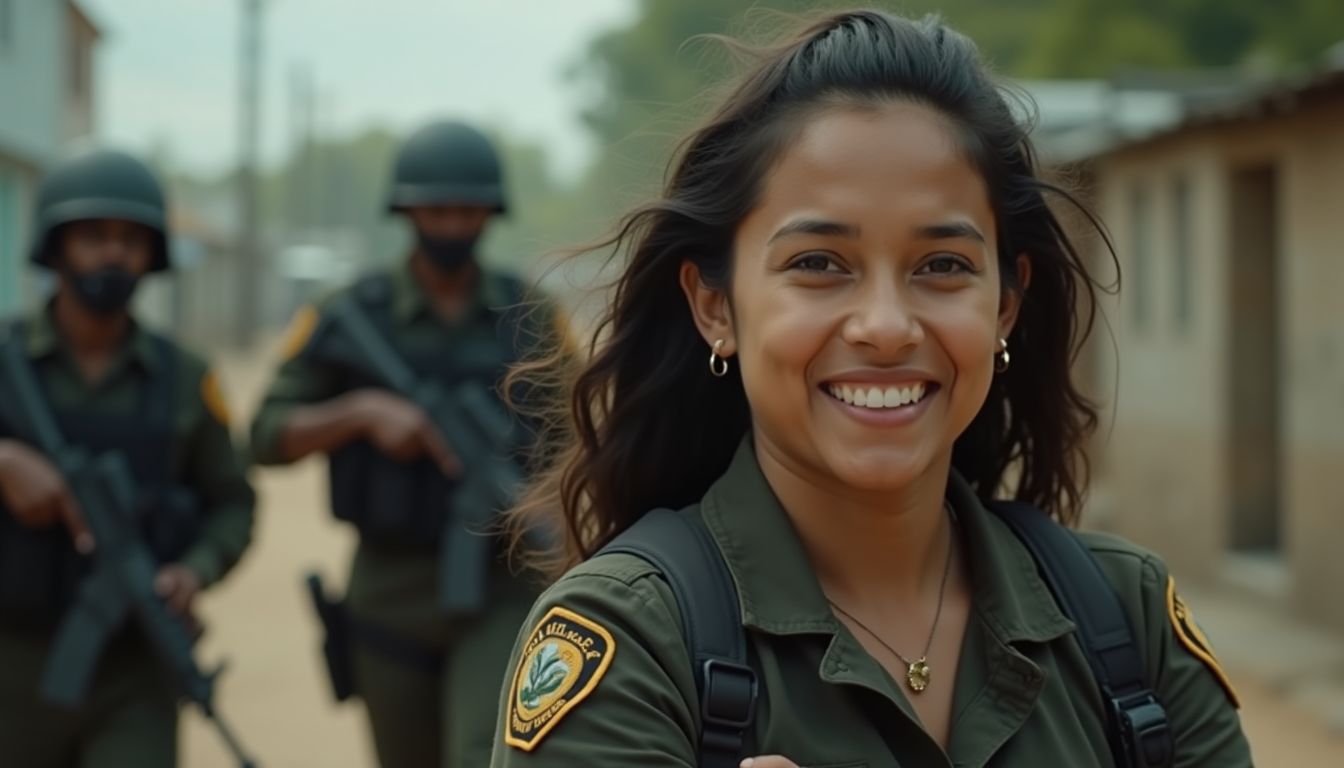
When news broke that Puerto Vallarta was under siege after Mexican army forces killed a major cartel leader, something about this story hit differently than the usual narco-violence headlines we've grown numbly accustomed to. Maybe it's because Puerto Vallarta isn't some remote border town most Americans couldn't find on a map – it's where your college friends went for spring break, where your parents took that anniversary cruise. The jarring cognitive dissonance of paradise under siege has a way of making distant violence feel suddenly, uncomfortably close.
There's something uniquely unsettling about cartel warfare erupting in what we think of as tourist Mexico. Puerto Vallarta represents this carefully curated version of Mexico that millions of Americans and Canadians consume annually – the resort Mexico, the cruise ship Mexico, the Mexico where your biggest worry should be whether to order another margarita. When that illusion cracks, it forces an uncomfortable reckoning with the reality that our vacation paradise and the narco state exist in the same physical space, just carefully separated by economic walls most tourists never see.
The timing couldn't be more significant. We're living through an era where people are increasingly questioning the stories we tell ourselves about safety, borders, and privilege. The pandemic already shattered a lot of our assumptions about which places are "safe" and which aren't. Now here's a reminder that the violence we've been conditioned to think of as "over there" in the abstract drug war can instantly transform the Marriott district into a war zone. It's the kind of story that makes comfortable people distinctly uncomfortable, which is exactly why it spreads.
What makes this moment particularly captivating is how it illuminates the bizarre parallel universes that exist in modern Mexico. You have this thriving tourism economy built on the promise that you can experience "authentic" Mexico while remaining completely insulated from actual Mexican realities. The cartel violence isn't new – it's been the backdrop all along. What's new is that mask slipping off in such a dramatic, undeniable way. When tourists are scrambling for cover while cartel members battle army forces in the streets, the cognitive dissonance becomes impossible to ignore.
There's also a fascinating element of karmic justice that resonates with people right now. The idea that taking out a major cartel leader immediately unleashes chaos speaks to broader anxieties about power structures and unintended consequences. We're living in an age where people are deeply skeptical of simple solutions to complex problems. The notion that "getting the bad guy" just creates more violence fits perfectly into our current understanding of how systemic problems actually work – or don't work when you try to solve them with force.
This story captures something essential about our current moment: the fragility of the carefully constructed bubbles we live in. Whether it's the tourist bubble in Puerto Vallarta, the safety bubble in our own communities, or the economic bubble that keeps inequality at arm's length, people are increasingly aware that these barriers are much thinner than we pretend. When that awareness gets triggered by images of paradise under siege, it creates the kind of viral moment that forces everyone to confront uncomfortable truths about the world we've built – and whether it's as stable as we'd like to believe.