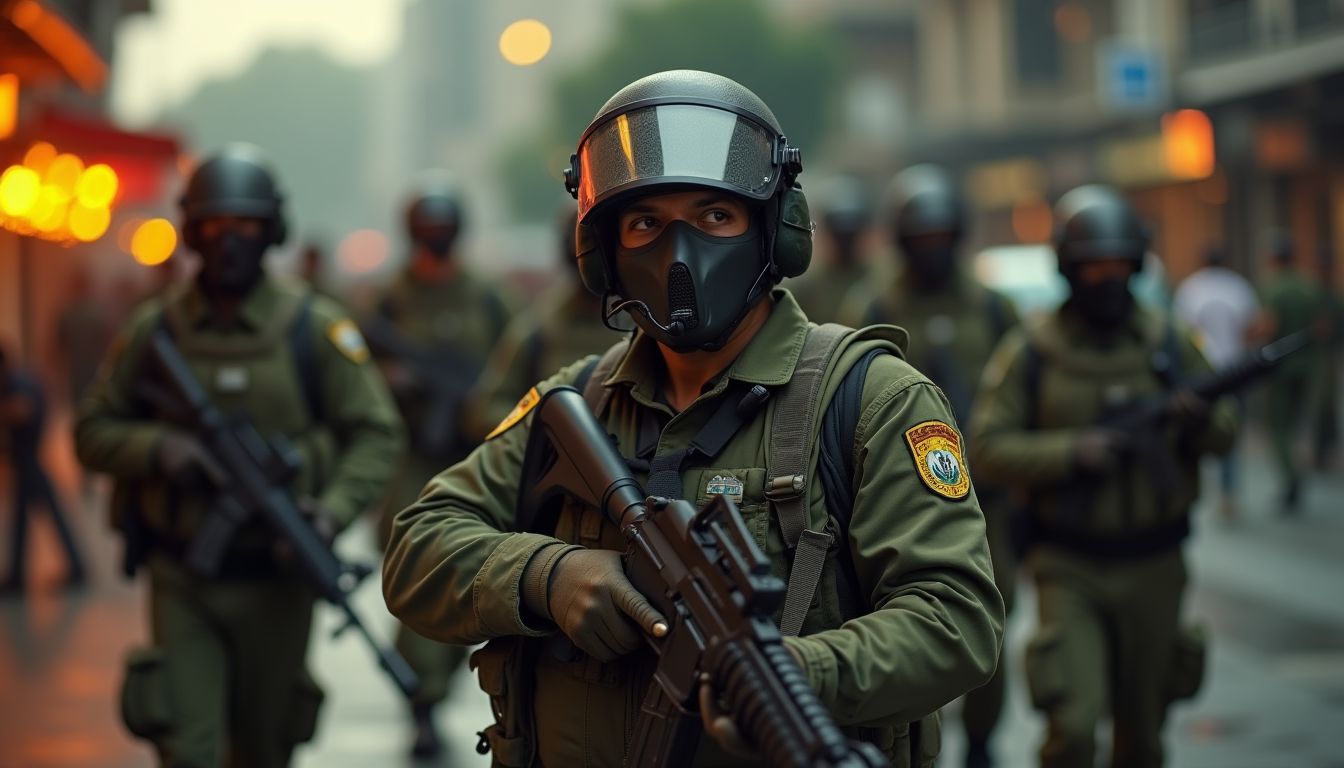
Picture this: you're scrolling through news about inflation, politics, and celebrity drama, when suddenly there's a story that makes you stop cold. Puerto Vallarta – that gorgeous beach destination where you maybe honeymooned or at least dreamed about margaritas on the sand – is suddenly the backdrop for what looks like a scene from Narcos. The Mexican army just took down a major cartel leader, and now the city is essentially under siege. It's jarring because it forces us to confront the reality behind our vacation paradise fantasies.
There's something uniquely unsettling about violence erupting in places we associate with escape and relaxation. Puerto Vallarta isn't some remote border town most Americans couldn't find on a map – it's where millions of us have actually been, where we have memories of feeling safe and carefree. When cartel violence spills into tourist zones, it shatters this carefully maintained illusion that we can somehow vacation our way out of geopolitical complexity. It's like finding out your favorite restaurant has been a front for money laundering.
But here's what's really driving the fascination: this feels like a watershed moment in Mexico's ongoing drug war. For years, there's been an unspoken understanding that tourist areas were somewhat off-limits, a kind of economic DMZ that both cartels and government forces tried to keep relatively peaceful. When that boundary gets crossed, it signals that the power dynamics are shifting in ways that could reshape an entire region. People sense they're witnessing something historically significant, even if they can't quite articulate what.
The timing couldn't be more relevant either. With fentanyl deaths skyrocketing in the U.S. and immigration dominating political conversations, Mexico's internal struggles feel more connected to American daily life than ever before. This isn't some distant conflict we can ignore – the drugs, the violence, the economic disruption, it all has a way of crossing borders whether we acknowledge it or not. When a major cartel leader gets taken out, people intuitively understand that it's going to create ripple effects that might eventually reach their own communities.
There's also something grimly fascinating about the tactical aspects of modern cartel warfare. These aren't just drug dealers anymore – they're essentially private armies with sophisticated equipment, communication networks, and strategic capabilities that rival some nation-states. When they go to war with government forces in a major city, it's like watching the future of asymmetric warfare play out in real time. It's terrifying and captivating in equal measure.
What makes this moment particularly compelling is the uncertainty it represents. Nobody really knows what happens next. Will this create a power vacuum that leads to even more violence? Will other cartels rush in to fill the gap? Will tourism to the region crater, devastating the local economy? Or will this somehow mark the beginning of the government finally getting the upper hand? The stakes feel enormous, and the outcome genuinely unpredictable.
At its core, this story resonates because it represents the collision of two worlds that many of us try to keep separate in our minds – the Mexico of vacation brochures and the Mexico of drug war headlines. When those worlds crash into each other in such a dramatic fashion, it forces a reckoning with some uncomfortable truths about inequality, violence, and the real cost of our interconnected world. Sometimes reality has a way of demanding our attention, whether we're ready for it or not.