Picture this: thousands of Americans are suddenly fascinated by a naval base they probably couldn't locate on a map last week. The US naval facility in Bahrain – officially known as Naval Support Activity Bahrain – has become an unlikely internet sensation, and honestly, the timing couldn't be more telling about where our collective anxieties are focused right now.
This isn't just random military trivia going viral. We're living through a moment when Americans are hyper-aware of our global military footprint, and Bahrain represents something uniquely complex in that landscape. Here's a tiny island nation in the Persian Gulf, smaller than New York City, hosting the US Fifth Fleet and serving as America's primary naval hub for the entire Middle East. It's the kind of strategic arrangement that makes people go "wait, we have WHAT over there?"
The fascination runs deeper than simple geography lessons, though. Bahrain sits in one of the world's most politically volatile regions, literally floating between Saudi Arabia and Iran – two countries that represent opposite sides of Middle Eastern power dynamics. For many Americans discovering this for the first time, it's like finding out your country has been playing an incredibly high-stakes chess game while you weren't paying attention. The base processes everything from anti-piracy operations to regional security missions, making it a critical but largely invisible piece of American foreign policy.
What makes this moment particularly captivating is how it reflects our current relationship with American power abroad. We're in this weird cultural space where people are simultaneously curious about and skeptical of military interventions overseas. The Bahrain base embodies that tension perfectly – it's clearly strategically important, but it also raises uncomfortable questions about why American sailors are stationed 7,000 miles from home in the first place.
There's also something almost surreal about the base itself that captures people's imagination. Think about it: American military personnel living and working on this small island kingdom, complete with fast food chains, American-style housing, and all the creature comforts of home, surrounded by a completely different culture and political system. It's like a little slice of America floating in the Persian Gulf, which feels both impressive and slightly dystopian depending on your perspective.
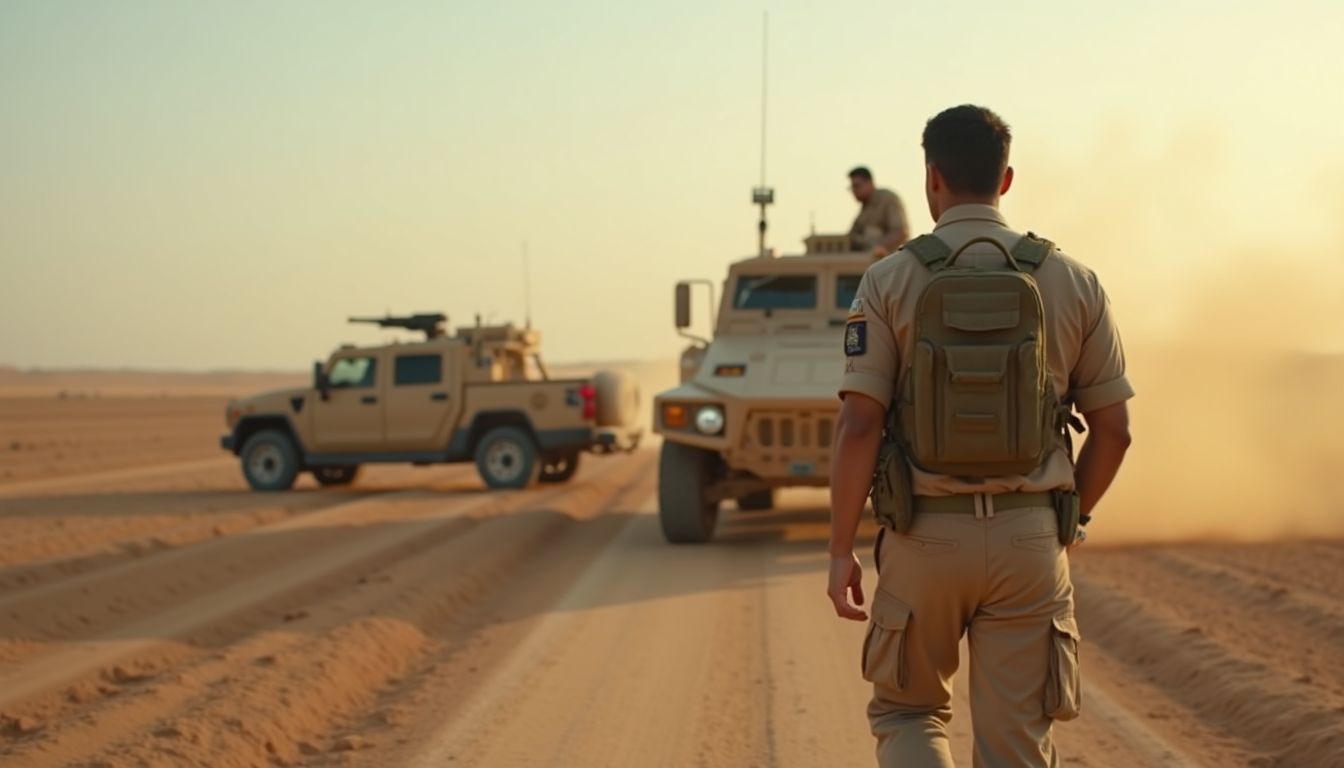
The timing of this viral moment says everything about our current information diet too. People are hungry for concrete, tangible examples of how American power actually works in practice, rather than abstract policy discussions. The Bahrain base offers something you can actually visualize – satellite images of American ships, personnel walking around in desert camouflage, the weird juxtaposition of American suburbia transplanted to the Middle East.
What's really striking is how this reveals the gap between official foreign policy and public awareness. Most Americans have strong opinions about Middle Eastern involvement, but many had never heard of our largest naval base in the region. It's the kind of discovery that makes you wonder what else is happening in America's name that flies completely under the radar of public consciousness.
Ultimately, the fascination with Bahrain's naval base reflects our broader moment of reckoning with American empire – not empire in the classical sense, but this sprawling network of bases, agreements, and strategic partnerships that most of us never think about until something makes us look. It's compelling precisely because it's so concrete and visual in a world where foreign policy usually feels abstract and distant.