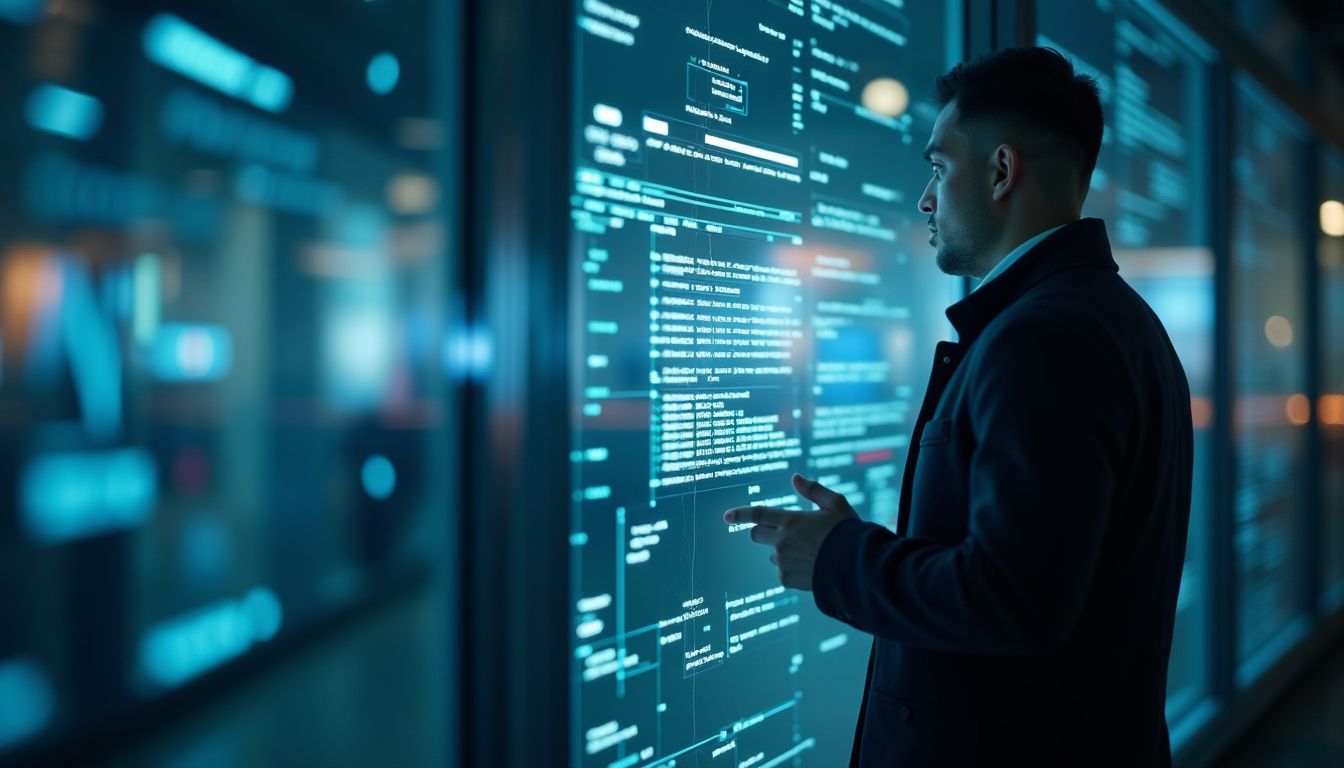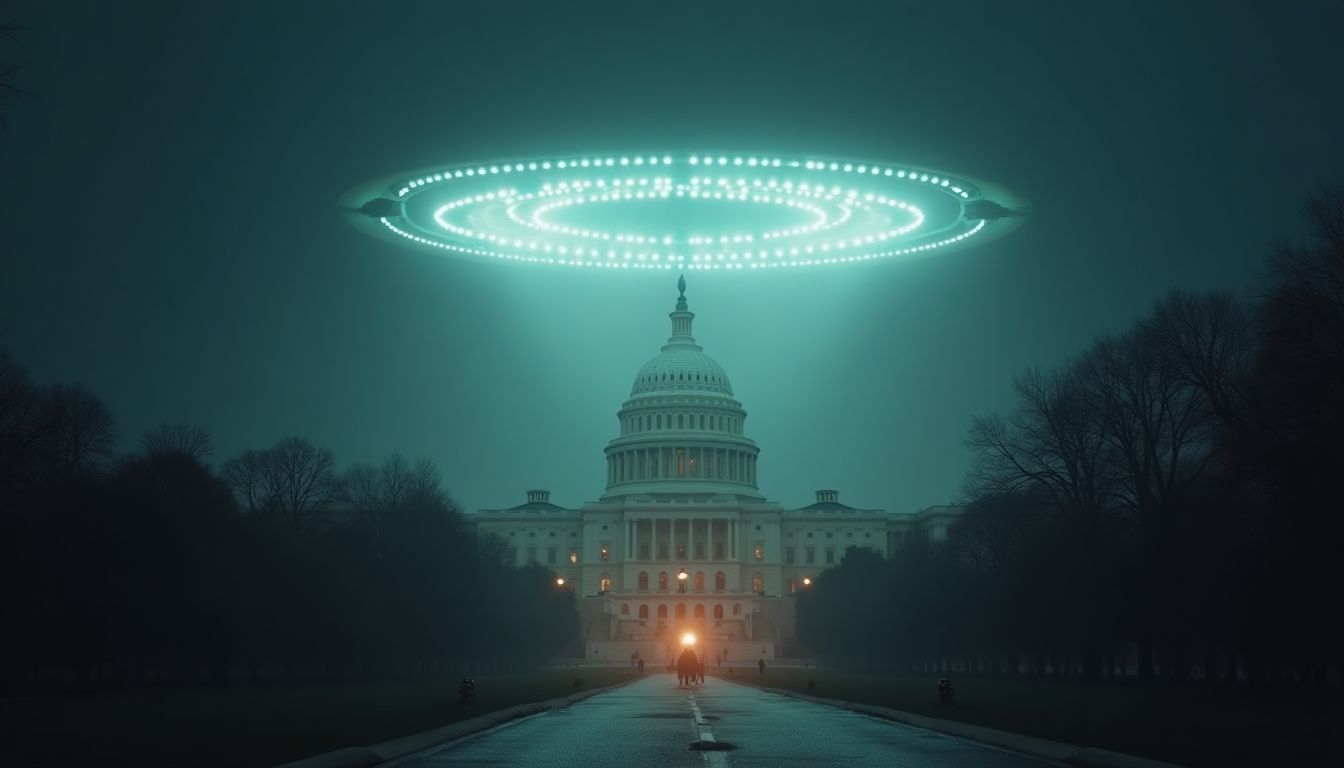
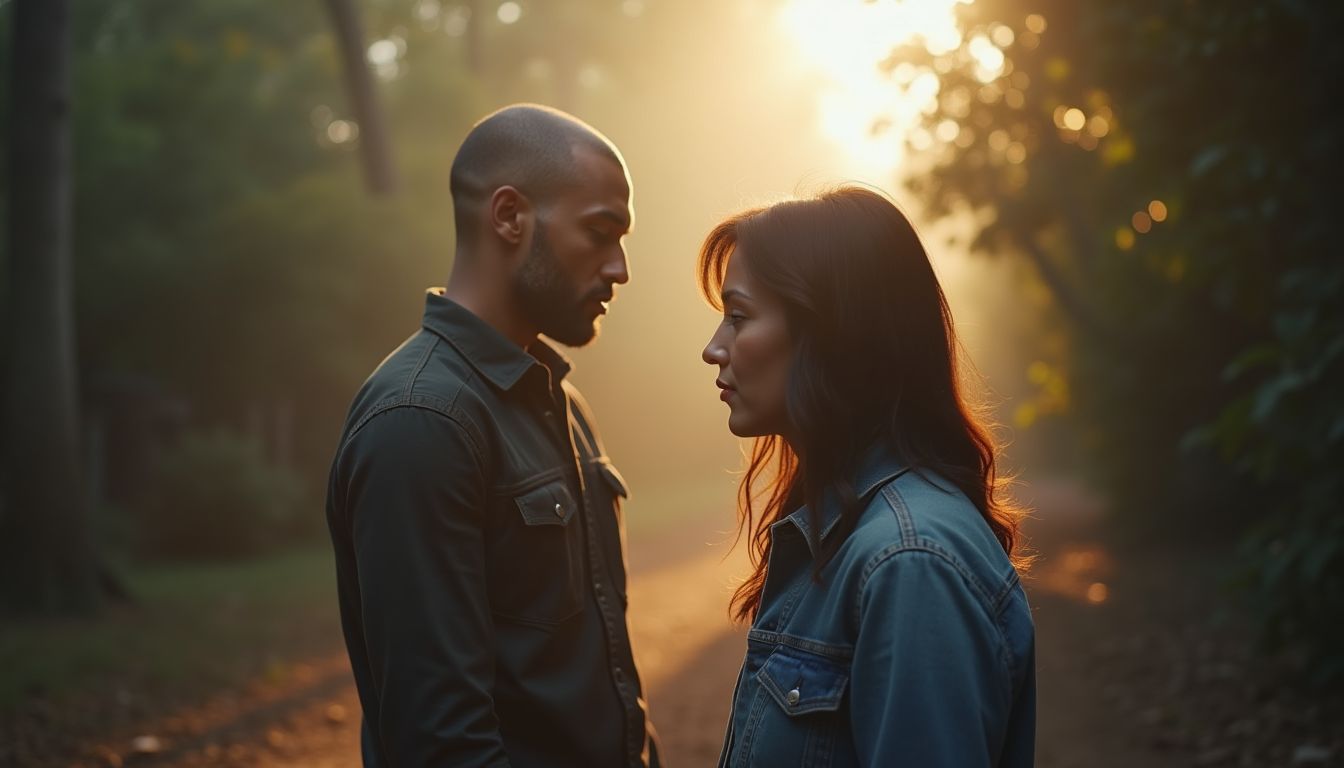
There's something almost primal about the way a single powerful image can freeze you mid-scroll. A Turkish artist has been creating work that does exactly that — merging two opposing realities into one seamless, thought-provoking composition. Think wealth and poverty sharing the same frame, war and peace occupying the same sky, or joy and grief reflected in the same eyes. When art collapses contradiction into a single moment, something deeply human gets triggered in us.
The timing here isn't accidental. We're living in one of the most polarized eras in modern history, where entire communities exist in completely different perceived realities. The political left and right don't just disagree — they seem to inhabit different planets. Rich and poor increasingly live in parallel worlds that never touch. This artist is essentially holding up a mirror and saying, "Look, these things exist simultaneously." That's not just aesthetically striking — it's almost radical in how uncomfortable it makes you feel.
What makes Turkish artistic voices particularly compelling right now is the unique cultural vantage point they offer. Turkey itself is a country that literally straddles two continents — Europe and Asia — and has navigated centuries of cultural intersection, tension, and fusion. There's an inherent fluency with duality baked into that perspective. When an artist from that background explores the idea of merging opposites, they're not doing it as an intellectual exercise. They're drawing from a lived, cultural understanding of what it means to exist between worlds.
The technique of merging opposing realities visually is having a serious cultural moment right now, and here's why it hits different than traditional contrast photography or political art. It doesn't ask you to choose a side. It doesn't caption itself with an agenda. It just places two truths next to each other — or more powerfully, inside each other — and lets the discomfort do the work. In a media landscape drowning in hot takes and opinion pieces, something that provokes thought without screaming an answer feels almost refreshingly mature.
There's also a technical wizardry component that can't be ignored. When someone merges two visual realities convincingly, your brain does this fascinating double-take. It knows something is constructed, but it can't quite unsee the emotional truth embedded in the composition. That cognitive tension — between "this isn't real" and "but it feels real" — is basically a dopamine hit for curious minds. You want to look again. You want to show someone else. You want to figure out how it was done AND what it means, and those two impulses firing at once is the secret formula for something capturing widespread attention.
The deeper cultural significance here is about our collective hunger for art that acknowledges complexity. After years of oversimplified narratives — you're either with us or against us, things are either getting better or worse — people are genuinely starving for nuance. An image that holds two opposing truths simultaneously without collapsing them into a simple message feels almost like emotional oxygen right now. It validates the experience of millions of people who have been quietly thinking, "But it's more complicated than that."
Ultimately, what this Turkish artist has tapped into is one of the oldest functions of great art — making the invisible visible. The gap between opposing realities in our world isn't new, but we've gotten dangerously good at ignoring it. When a single image forces that gap into your field of vision and makes it beautiful and devastating at the same time, that's not just good art. That's necessary art. And necessary things, almost without exception, find their audience at exactly the right moment.