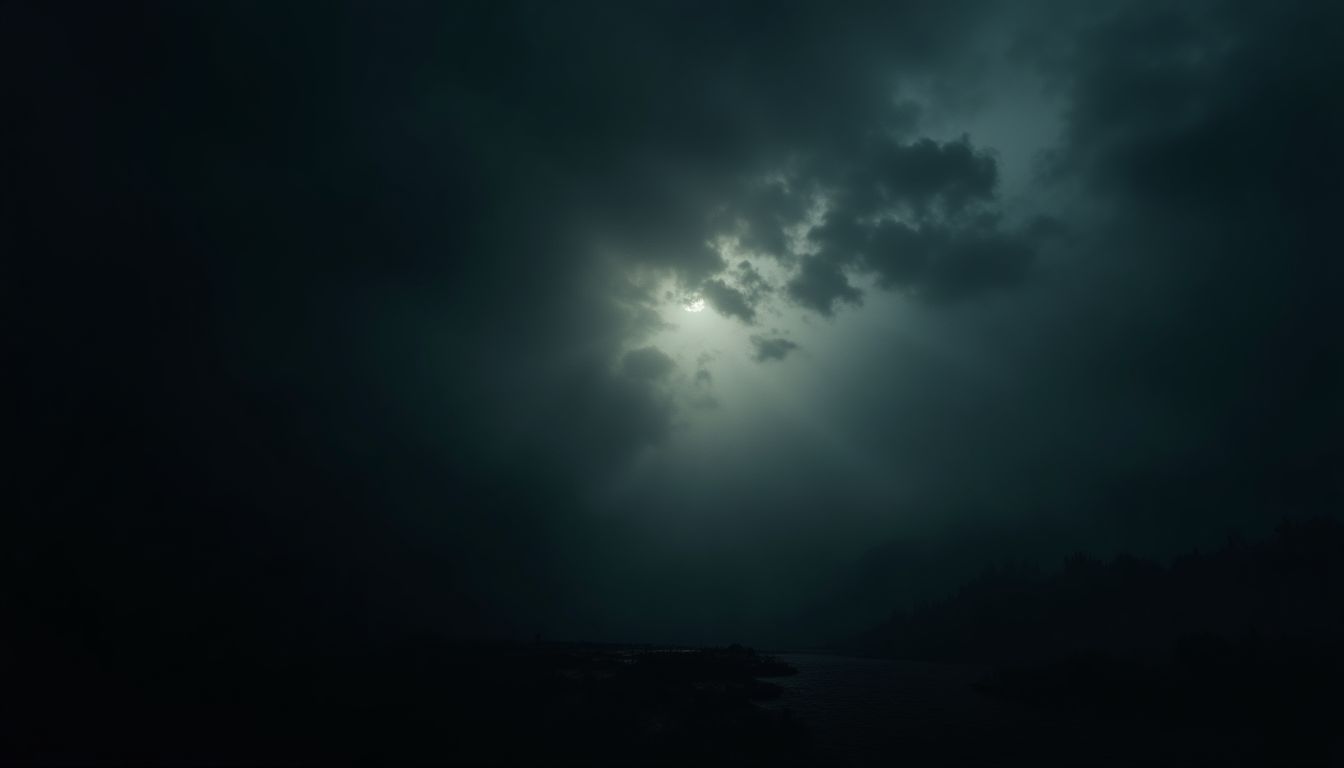
There's something primal about black rain. It hits differently than headlines about missile counts or diplomatic statements — it's visceral, undeniable, and almost cinematic in the worst possible way. When images and reports emerged of dark, oily water falling over Tehran, coating streets and rooftops in a slick, petroleum-tinged residue after strikes on oil facilities, it stopped people cold. Not because conflict is new, but because this particular detail cuts through the noise in a way that raw geopolitical reporting rarely does.
Here's why this moment lands so hard: we've all been desensitized to war coverage. Casualty numbers, strategic analyses, satellite images — our brains have learned to process those at a comfortable distance. But black rain? That's something your gut understands immediately. It's the kind of detail that would feel over-the-top in a dystopian novel, yet here it is, happening in a real city where millions of real people live, work, and walk their kids to school. The mundane and the apocalyptic colliding on someone's rooftop is almost impossible to look away from.
There's also a deep environmental horror baked into this story that resonates with a generation acutely tuned to ecological anxiety. Burning and bombed oil infrastructure doesn't just represent military and political escalation — it represents a kind of wound to the earth itself, one that rains back down on the civilians who had the least say in any of it. Dark, contaminated water falling from the sky is a powerful symbol of how modern warfare has consequences that don't respect the boundaries between combatants and bystanders, between soldiers and the family eating dinner three streets away.
Tehran is a megacity of nearly 10 million people. That context matters enormously. This isn't a remote industrial zone absorbing the damage quietly. It's a dense, ancient, culturally rich urban center — a place with traffic jams and coffee shops and university students — now wearing the literal residue of geopolitical conflict on its streets. That human scale transforms the story from an abstract military event into something deeply personal, even for people thousands of miles away who have never set foot in Iran.
The timing amplifies everything. The Middle East has been a pressure cooker of escalating tensions, and audiences worldwide have been watching regional conflicts simmer toward something bigger with a growing sense of dread. Black rain falling on a capital city isn't just news — it feels like a chapter break in a story everyone hoped would go a different direction. It has the grim weight of a turning point, even if we're still figuring out exactly what it's turning toward.
There's one more layer worth considering: the strange, dark beauty of the image itself. Human beings are wired to be captivated by things that are simultaneously terrible and visually arresting. Black rain over a city skyline is, in a deeply uncomfortable way, striking to look at. It carries the aesthetic weight of a warning — the kind of image that ends up in history books, used to mark a before and after. People sense that instinctively, even before they fully process the politics behind it. Sometimes a single haunting image does more to communicate the reality of a conflict than a thousand analytical pieces ever could, and this one is doing exactly that.