
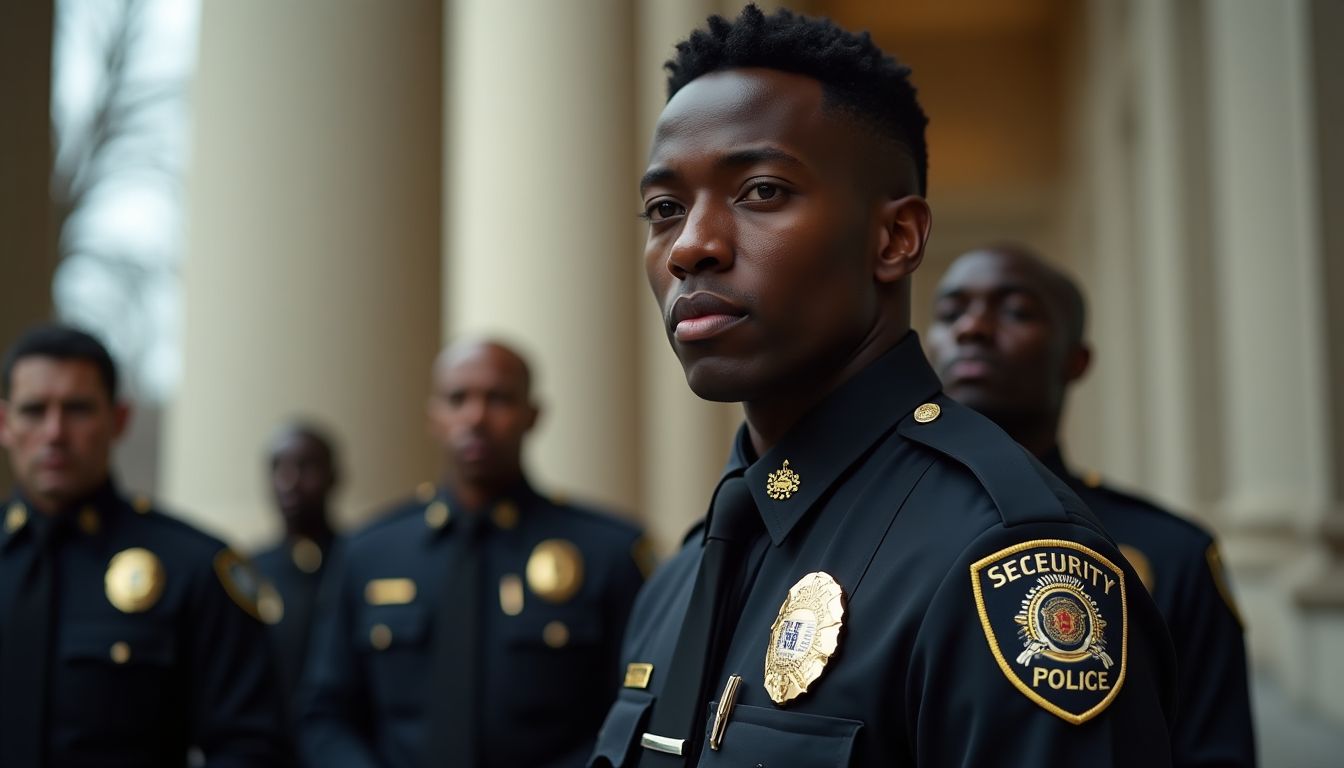
There are moments that cut through the noise of daily life and demand your full attention, and this is absolutely one of them. A suspect drove a truck loaded with explosives into a Detroit synagogue and opened fire with a rifle, in what amounts to a calculated, heavily armed attack on a place of worship. The fact that security personnel stopped the attacker before the situation could escalate into something even more catastrophic is the kind of detail that makes your stomach drop and your heart race simultaneously.
Let's talk about why this particular story hits differently right now. Antisemitic incidents have been on a documented rise across the United States, and attacks on religious spaces have created a persistent, low-level anxiety in communities of faith nationwide. When something this brazen and this heavily resourced - we're talking explosives and a rifle, not a spontaneous act of rage - unfolds in a major American city, it forces a reckoning with just how real and how organized that threat has become. This wasn't opportunistic. Someone planned this.
The security angle is genuinely significant and worth sitting with for a moment. Many synagogues, mosques, and churches have dramatically increased their security presence in recent years following a string of tragic attacks, from Pittsburgh to Poway. The fact that trained security personnel were on site and neutralized the threat is a testament to that preparation, but it's also a sobering reminder of why that preparation became necessary in the first place. There's something both reassuring and deeply unsettling about living in a world where houses of worship need armed guards to function safely.
Detroit as the location adds another layer to this story. It's a city with deep cultural history, a resilient and diverse population, and a Jewish community with roots stretching back generations. Attacks on communities aren't just attacks on buildings or even individuals - they're attempts to erase belonging, to make people feel unsafe in spaces that are supposed to be sacred and communal. That psychological dimension resonates far beyond the immediate geography of Detroit, touching Jewish communities and frankly all religious communities across the country who suddenly see their own places of worship in this story.
There's also the sheer operational scale here that demands attention. A truck loaded with explosives is not a small undertaking. This suggests planning, resources, and intent at a level that elevates this beyond a lone disturbed individual acting impulsively. When attacks reach this threshold of premeditation and armament, questions about radicalization pipelines, potential networks, and how someone acquires these materials become urgent public safety conversations, not just abstract policy debates. People feel that urgency, and it drives intense engagement with the story.
Ultimately, what makes this moment so arresting is the collision of several anxieties that have been simmering just beneath the surface of American life. Religious intolerance, domestic extremism, the vulnerability of communal spaces, and the question of whether institutions are doing enough to protect their most at-risk members all converge in a single horrifying event. The outcome here could have been catastrophically worse, and people are acutely aware of that fact. The story captures attention because it holds up a mirror to a cultural moment defined by fragility, vigilance, and the genuine courage of people who ran toward danger to protect others.