
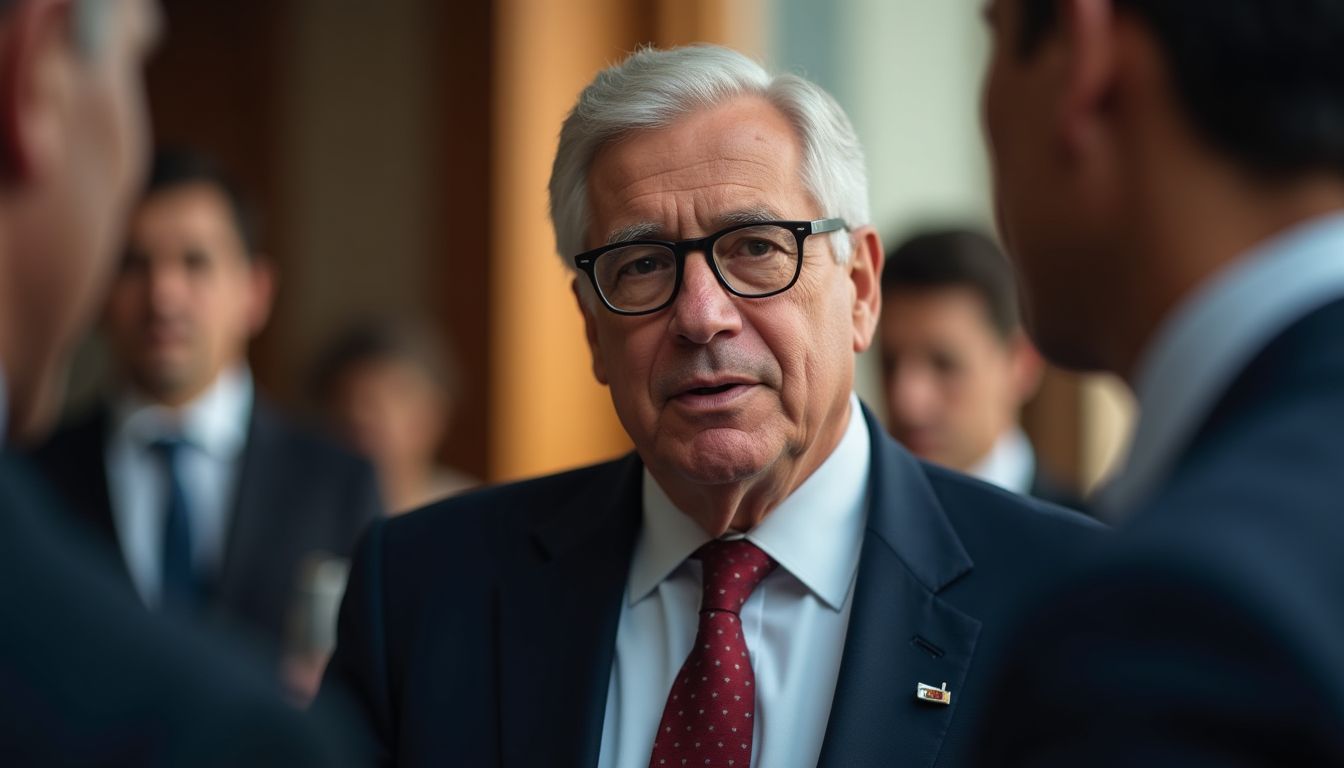
There's something uniquely compelling about watching a former Prime Minister roll up their sleeves and dive headfirst into one of society's darkest corners. Gordon Brown handing over a sex trafficking dossier to police isn't just news – it's a masterclass in how political gravitas can shine a spotlight on issues that desperately need it. When someone who once commanded global attention turns that same spotlight toward human trafficking, people pay attention in ways they might not for typical advocacy work.
The timing couldn't be more significant. We're living through an era where trust in institutions feels perpetually shaky, yet here's a former world leader using his post-office years not for lucrative speaking tours or cozy board positions, but for gritty investigative work. Brown's transition from economic policy to anti-trafficking crusader represents something people are hungry for right now: authentic purpose over performative politics. It's the kind of second-act career pivot that makes you think, "This is what public service should look like."
What makes this moment particularly resonant is how it cuts through our usual political cynicism. Sex trafficking operates in shadows that most of us prefer not to think about, but when someone with Brown's credibility steps forward with actual evidence, it forces uncomfortable conversations into the light. The fact that he's not running for anything, not trying to score political points, but simply doing what appears to be the right thing – that authenticity is rare enough to capture genuine public interest.
There's also something deeply satisfying about the methodical, almost academic approach Brown brings to this work. This isn't tabloid sensationalism or social media outrage; it's a former Chancellor treating human trafficking with the same systematic rigor he once applied to economic policy. People respond to that kind of serious, evidence-based activism because it suggests real change might actually be possible, not just trending hashtags and temporary moral panic.
The cultural moment we're in amplifies this story's impact too. After years of feeling like individual voices don't matter against massive systemic problems, seeing someone leverage their platform for tangible action feels almost revolutionary. Brown isn't just raising awareness – he's literally walking evidence into police stations. That direct line from investigation to potential prosecution offers something increasingly rare in our discourse: hope that problems can actually be solved rather than just discussed to death.
Perhaps most importantly, this story taps into our collective desire for moral clarity in an increasingly complex world. Human trafficking isn't a partisan issue – it's simply wrong, full stop. When public figures take on causes that unite rather than divide, it reminds us that some battles are worth fighting regardless of political affiliation. Brown's post-political career has become a reminder that leadership doesn't end when you leave office; sometimes, that's when the most important work begins.