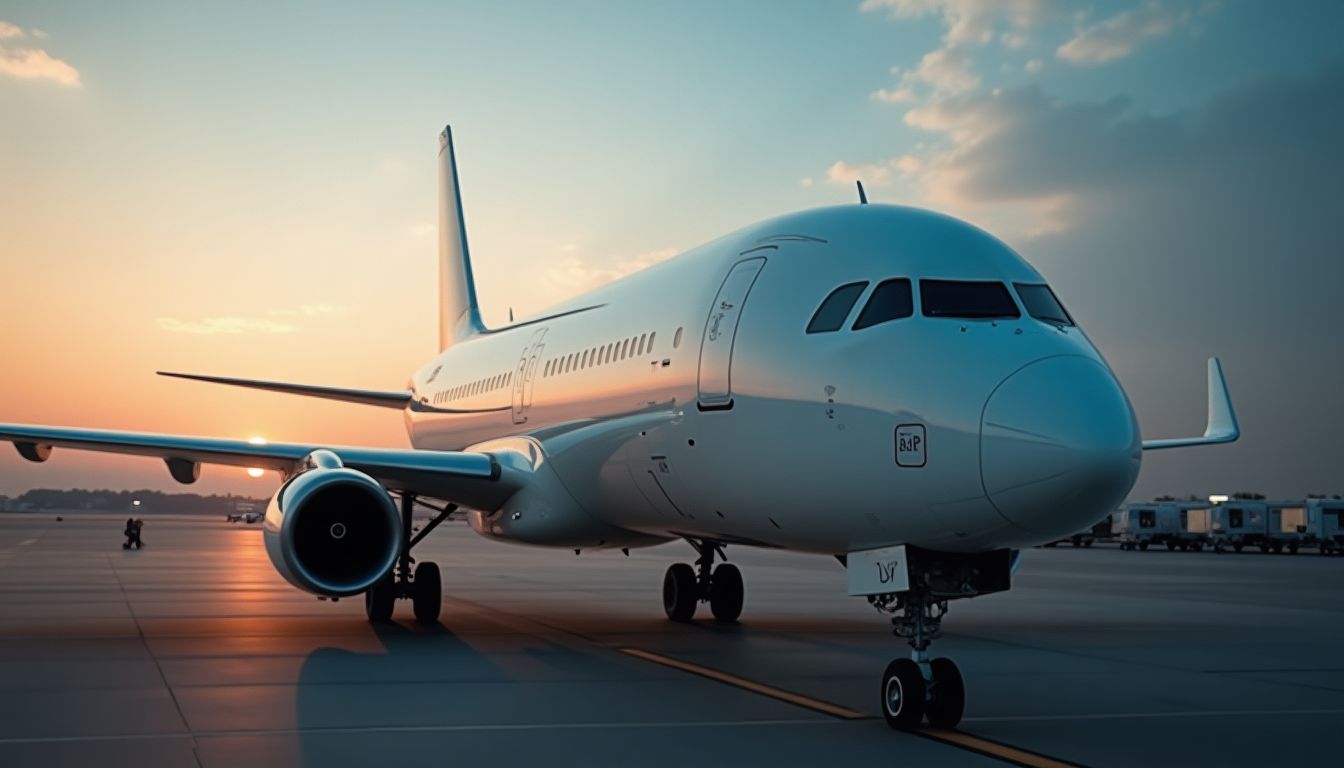
Here's a story that hits differently depending on which side of the boarding door you're standing on. Delta Airlines has temporarily suspended its travel perks for members of Congress, and honestly, the public reaction tells you everything you need to know about the current relationship between everyday Americans and their elected officials. This isn't just an airline policy tweak — it's a cultural moment that landed at exactly the right time.
Let's be real about why this stings for lawmakers. Members of Congress have long enjoyed a cozy ecosystem of perks, privileges, and access that most constituents can only dream about. Free or discounted air travel falls neatly into that category of "things regular people definitely don't get." So when a major corporation — even temporarily — yanks that carpet out from under them, there's an almost theatrical satisfaction to it. It's the kind of plot twist that writes itself.
The timing here is genuinely significant. Public trust in Congress is hovering at historic lows, and people are increasingly attuned to the gap between how legislators live and how their constituents do. Flying commercial is one of the great equalizers — the middle seat doesn't care if you passed legislation last week. So watching Congress lose even a sliver of insulation from that shared human experience? That resonates on a gut level that transcends partisan politics. This is one of those rare moments where frustration from across the political spectrum can converge.
There's also a fascinating power dynamic at play here. Delta is a massive corporation, and corporations typically cultivate relationships with lawmakers rather than antagonize them. So when a company willingly disrupts that cozy arrangement — even temporarily — it signals something. Maybe it's a business dispute, maybe it's political friction, but either way it disrupts the usual script where corporations and Congress play nicely together. People are paying attention because it breaks an unspoken rule about how power usually operates.
What makes this moment particularly unique is the way it surfaces a broader conversation about accountability. There's a growing cultural appetite for seeing institutions — political, corporate, or otherwise — actually face consequences. Even a small, temporary consequence like losing travel perks feels symbolically enormous against a backdrop where accountability often seems reserved for everyone except those at the top. It's a tiny crack in a very thick wall, and people notice cracks.
The specificity of the punishment matters too. It's not vague criticism or a strongly worded statement — it's a concrete, tangible action. Congress members won't get their usual perks when they fly Delta. Full stop. In an era of endless rhetorical back-and-forth, something concrete and specific cuts through the noise like a hot knife through airport butter. People can picture it. They can feel it. That's storytelling gold right there.
Ultimately, this story captures public attention because it taps into something deeply human — the desire to see the playing field leveled, even momentarily. It doesn't matter if the suspension lasts a week or a month or gets quietly reversed next Tuesday. The moment itself sent a message, and the public received it loud and clear. Sometimes the most viral stories aren't about grand gestures — they're about small disruptions to systems people quietly resented all along. Delta may have just handed everyone the most satisfying chapter in a very long book about American political frustration.