
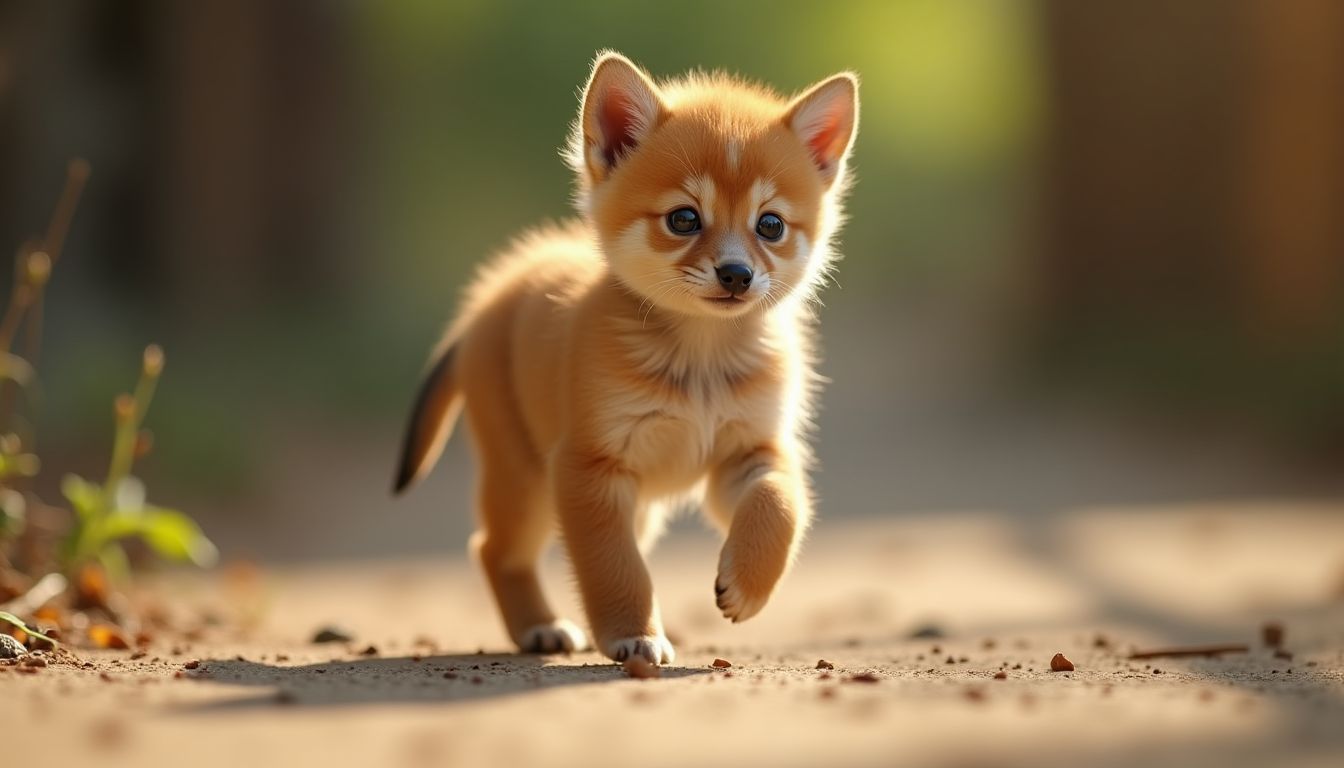
There's something deeply satisfying about watching a young monkey named Little Punch figure out how to walk upright on two legs. It's not just cute – though it absolutely is – it's a window into one of the most fundamental experiences we all share. In a world where we're constantly bombarded with complexity, there's something refreshingly pure about witnessing a creature master the basic mechanics of putting one foot in front of the other.
The timing couldn't be more perfect. We're living through an era where human achievement feels increasingly abstract and digital. When was the last time you felt genuinely proud of learning something physical, something that required your whole body to coordinate in a new way? Little Punch's wobbly first steps remind us of our own forgotten victories – that moment when we first rode a bike, learned to swim, or even just figured out how to tie our shoes without falling over.
What makes this particularly fascinating is that bipedal walking isn't natural for monkeys. Unlike human babies who are evolutionarily wired to eventually walk upright, Little Punch is essentially learning a foreign language with his body. This makes his achievement feel even more remarkable – like watching someone master a skill that goes against their very nature. There's something deeply relatable about struggling against our own limitations and surprising ourselves with what we can accomplish.
The cultural moment we're in amplifies why this resonates so strongly. We're collectively exhausted by division, complexity, and the feeling that progress has stalled on the big issues that matter. Watching Little Punch take those tentative steps forward – literally – provides a metaphor we desperately need. It's progress we can see, understand, and celebrate without any political baggage or complicated context. It's just pure, unfiltered achievement.
There's also something profound about witnessing development in real time. In our instant-everything culture, we rarely get to see the messy, imperfect process of learning. Little Punch's journey reminds us that all growth involves wobbling, falling, and getting back up again. His determination mirrors our own daily struggles to master new skills, whether that's learning to cook, trying a new hobby, or adapting to changes at work.
The cross-species element adds another layer of fascination. Humans have always been drawn to animals that exhibit seemingly human-like behaviors, but Little Punch represents something more specific – the triumph of effort over instinct. He's not just mimicking human behavior; he's actively choosing to develop a skill that doesn't come naturally to him. In an age where we often feel trapped by our own patterns and limitations, watching him literally rise above his natural tendencies feels inspiring.
What's particularly compelling right now is how this story cuts through our usual cynicism. We're so accustomed to manufactured moments and staged content that witnessing genuine, unscripted development feels revolutionary. Little Punch isn't performing for likes or trying to go viral – he's just a young animal figuring out how to move through the world in a new way. That authenticity is precisely what makes moments like this so powerful in our current cultural landscape.
Ultimately, Little Punch's walking lessons tap into something fundamental about the human experience – our deep appreciation for perseverance, growth, and the small victories that make life meaningful. In a time when big achievements feel out of reach for many of us, watching this little guy master something as basic as walking reminds us that progress, no matter how small, is always worth celebrating.