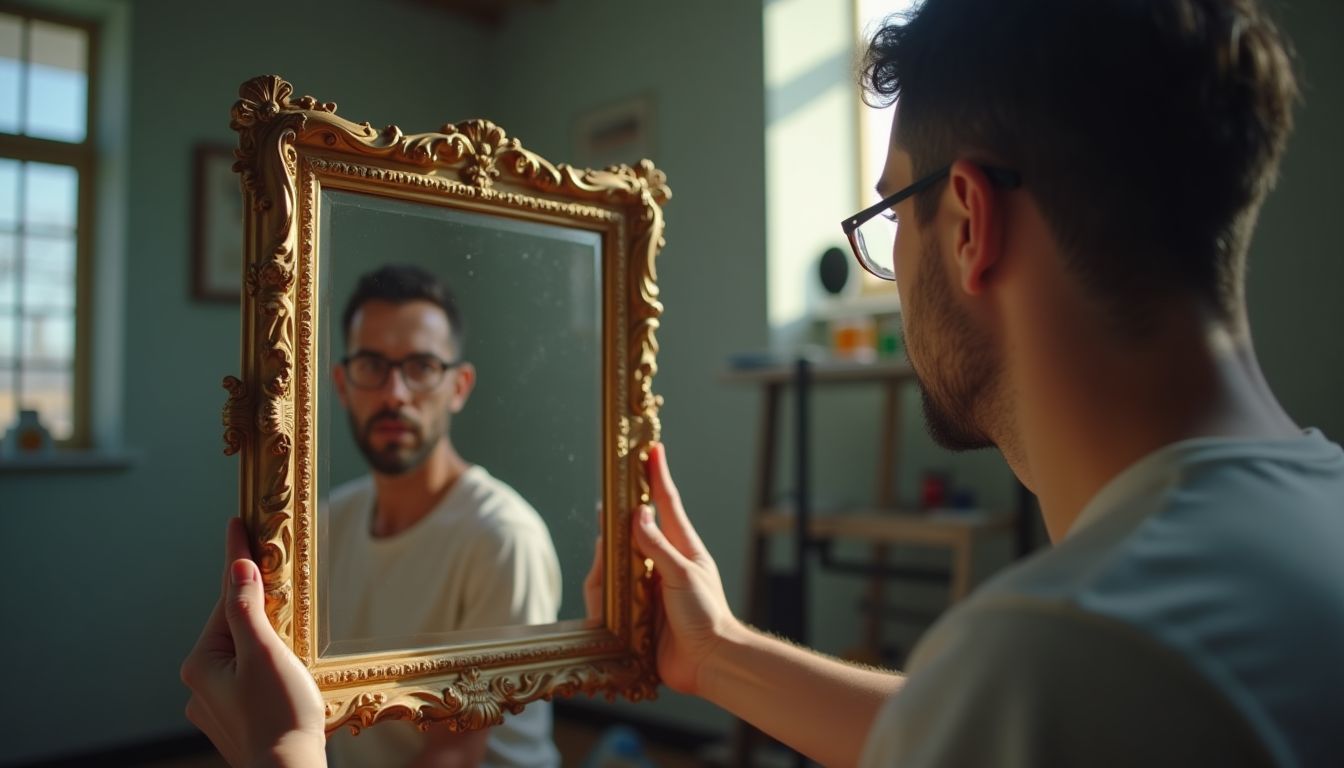
There's something deeply unsettling about the phrase "true colours" – it implies we're all walking around wearing masks, doesn't it? And right now, people are absolutely captivated by a comic that seems to have tapped into this universal anxiety about authenticity. The timing couldn't be more perfect, actually, because we're living through what might be the most performative era in human history.
Think about it – we're constantly curating versions of ourselves for different audiences. The professional you on LinkedIn, the fun-loving you on vacation photos, the political you during family dinners. We've become so practiced at code-switching between personas that sometimes we forget which version is the "real" us. A comic exploring this theme hits like a lightning rod because it's naming something we all feel but rarely discuss openly.
What makes this moment particularly ripe for this kind of storytelling is our collective fatigue with surface-level interactions. We're craving authenticity in a world that rewards performance. The pandemic stripped away a lot of our usual social theatre – no office personalities, no party faces, just us in our homes being... well, ourselves. Coming out of that experience, there's this heightened awareness of how much energy we spend maintaining different versions of who we are.
Comics have this unique superpower when it comes to psychological storytelling. They can literally visualize internal states – show us the gap between what someone's saying and what they're thinking, between their public face and private reality. When an artist nails this kind of internal truth-telling, it creates this "oh god, that's me" moment that's impossible to shake. It's like having someone point out that thing you do that you thought nobody noticed.
The concept of "true colours" also taps into our deep-seated fear of being found out. Most of us carry around some version of imposter syndrome – the nagging worry that people will discover we're not as competent, kind, or put-together as we appear. A story that explores this territory feels both terrifying and liberating. It's scary to see your internal contradictions reflected back at you, but also oddly comforting to know you're not alone in having them.
There's also something happening culturally where we're getting better at recognizing toxic positivity and performative behavior. We're more attuned to spotting when someone's public persona doesn't match their actions. This makes us hungry for stories that dig beneath the surface, that show us what people are really like when they think nobody's watching. It's detective work for the soul, and we're all amateur investigators now.
What's brilliant about using the comic medium for this exploration is that it mirrors our own experience of observing people. We watch body language, facial expressions, the gap between words and actions. Comics make this subtext visible in a way that pure text can't. They can show us the exact moment when someone's smile doesn't reach their eyes, or when their confident posture betrays a trembling hand.
This resonance also speaks to our collective desire for more honest relationships. We're tired of small talk and surface-level connections. We want to know people's actual thoughts, their real struggles, their genuine joys. A story about revealing true colours becomes a kind of permission slip for deeper authenticity in our own lives. Maybe if we're brave enough to acknowledge our own contradictions, we can build connections based on something more substantial than shared pretenses.