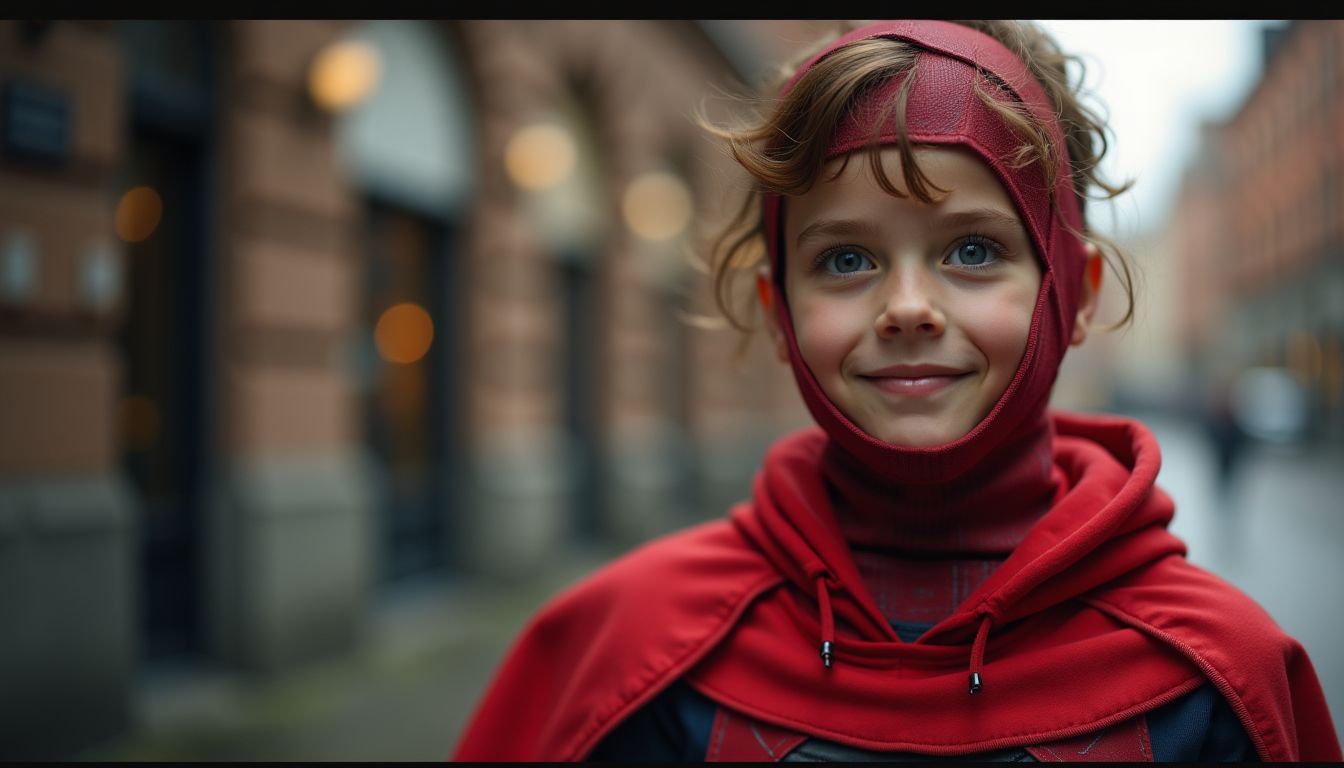
There's something almost primal about the superhero concept that never gets old. A regular person — or maybe not so regular — discovers they have extraordinary abilities and has to figure out what to do with them. It's the oldest story in the book, reimagined a thousand times, and yet when someone crafts it fresh with their own voice and their own art, it lands like it's the first time you've ever heard it. That's the magic of original comics content, and it explains exactly why a piece like "Super [OC]" cuts through the noise so effectively right now.
We're living in a peculiar cultural moment with superheroes. The massive studio franchises have become almost exhausting — bloated with continuity, crossovers, and corporate safe choices. People are genuinely hungry for something smaller, more personal, and more human. When an independent creator strips the genre back down to its emotional core, it feels like a breath of fresh air. It's the difference between a stadium concert and someone playing guitar on your front porch — one is impressive, the other actually moves you.
The "OC" label here is doing a lot of heavy lifting, and it's worth unpacking why. Original Characters represent creative ownership and vulnerability in a way that fan art simply doesn't. The creator isn't borrowing someone else's beloved character as a safety net — they're putting their own vision into the world and saying "here, I made this, I hope you connect with it." That kind of creative courage is genuinely infectious. Audiences can feel the difference between content made by algorithm and content made by a human being who stayed up too late caring about something.
Comics as a format are also experiencing a quiet renaissance right now. The webcomic and indie comics scene has been building a devoted audience that appreciates the intimacy of the medium — the deliberate choices of panel layout, the economy of dialogue, the way a single expression can carry an entire emotional universe. Superhero stories told through this lens tend to focus on identity, responsibility, and what it means to be different in a world that doesn't always understand you. Those themes aren't exactly hard to relate to in 2024, when questions of identity and belonging feel more charged than ever.
The engagement numbers around something like this also tell a story about community and discovery. When people champion independent creative work, they're not just sharing content — they're participating in the discovery of something. There's genuine social satisfaction in being the person who found the cool thing before it blew up. It's curatorship as a form of cultural participation, and it's one of the most generous impulses humans have. Saying "you need to see this person's work" is essentially saying "I trust your taste enough to share something I love."
At the end of the day, superhero stories endure because they're really stories about potential. What would you do if you could do anything? What responsibilities come with power? Who do you become when the ordinary rules no longer apply? These questions don't have expiration dates. When a creator approaches them with fresh eyes and genuine craft — without the weight of a cinematic universe or a toy line demanding certain outcomes — the result can feel surprisingly profound. "Super" might just be a one-word title, but it's carrying the weight of every dream someone ever had about being more than ordinary. And honestly, who isn't a little bit in the market for that feeling right now?