
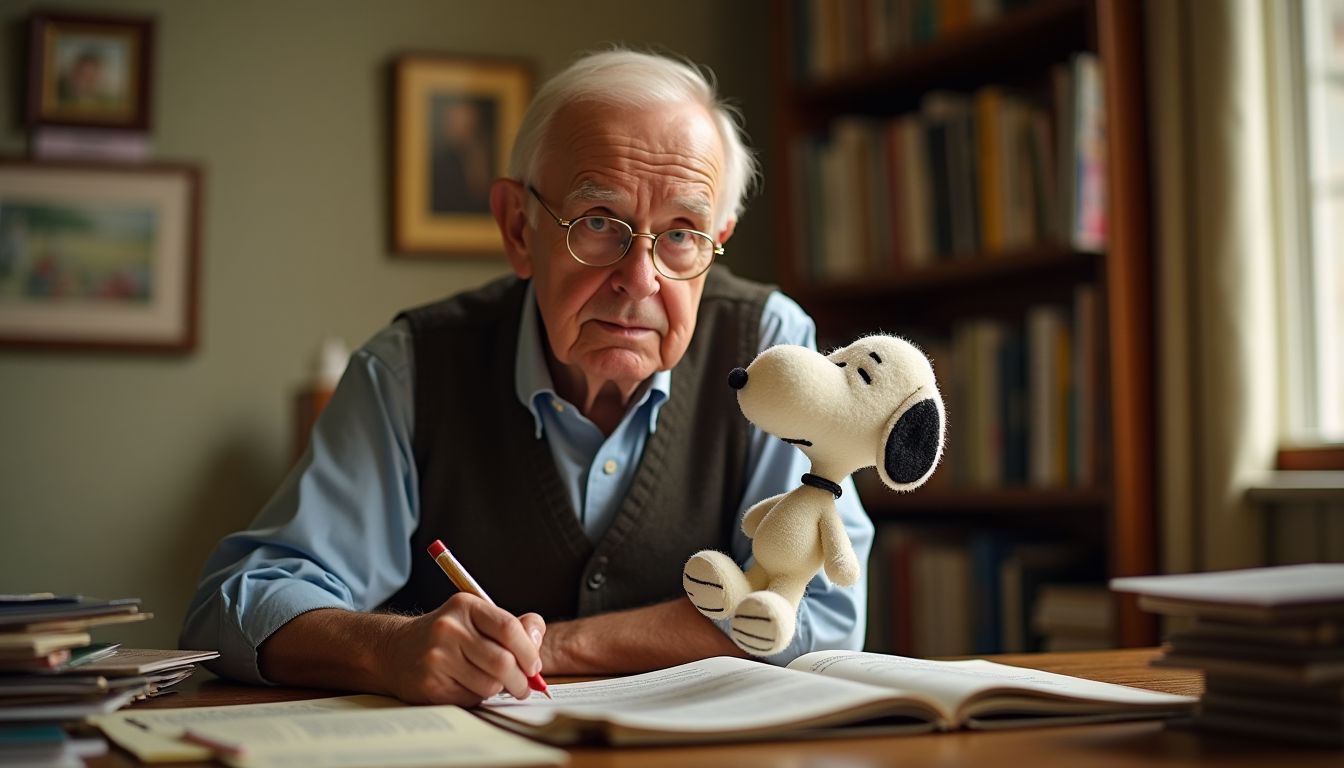
We're living in an era where authenticity is currency and people can smell a fake from a mile away. Schulz wasn't performing goodness for a camera or a PR team — he was just quietly, consistently a real human being. Stories about how he treated fans, his staff, and the characters he created reveal someone who actually meant it. In a world drowning in carefully curated public personas, that kind of genuine decency hits different.
There's also something deeply comforting about Charlie Brown right now, specifically. We're all a little bit Charlie Brown at the moment — anxious, uncertain, trying our best while the world feels slightly chaotic and the football keeps getting pulled away. Schulz didn't create that character to mock failure. He created him to honor it. To say, hey, struggling is human, and there's dignity in getting back up. That message never really goes out of style, but certain moments in history make it land harder than others.
What makes Schulz particularly fascinating is the biographical detail that Peanuts was deeply personal. Charlie Brown's loneliness, Schroeder's obsessive passion, the Little Red-Haired Girl who was based on a real woman who broke Schulz's heart — this wasn't manufactured content. It was therapy on a deadline, published in newspapers for fifty years. When people learn that, something clicks. The strip's emotional honesty suddenly makes total sense because it WAS honest. Radically, vulnerably honest.
There's a generational rediscovery happening here too. Younger audiences who grew up with the holiday specials are now digging into who Schulz actually was as a person — his kindness, his struggles with depression, his insistence on drawing every single strip himself without farming it out to assistants. That work ethic combined with that emotional intelligence is a combination people genuinely admire right now, especially in a creative landscape where AI-generated content is increasingly blurring what "made by a human" even means anymore.
The cultural timing is almost poetic. We're collectively craving proof that skilled, caring humans made things that mattered — and Schulz is basically the patron saint of that idea. He sat down every single day and made something true. No shortcuts, no ghost artists, no corporate committee approving his punchlines. Just one guy and his feelings and a pen. In 2024, that feels almost revolutionary.
Ultimately, what's driving this wave of appreciation is something pretty simple: people need heroes who aren't complicated by scandal or cynicism. Schulz was flawed, sure — he had a messy personal life and could be difficult — but his creative legacy and documented kindness toward others paint a picture of someone who genuinely tried to contribute something good to the world. Right now, that's not just admirable. It's aspirational. Charles Schulz was, in the most earnest possible way, a real one — and we needed the reminder.