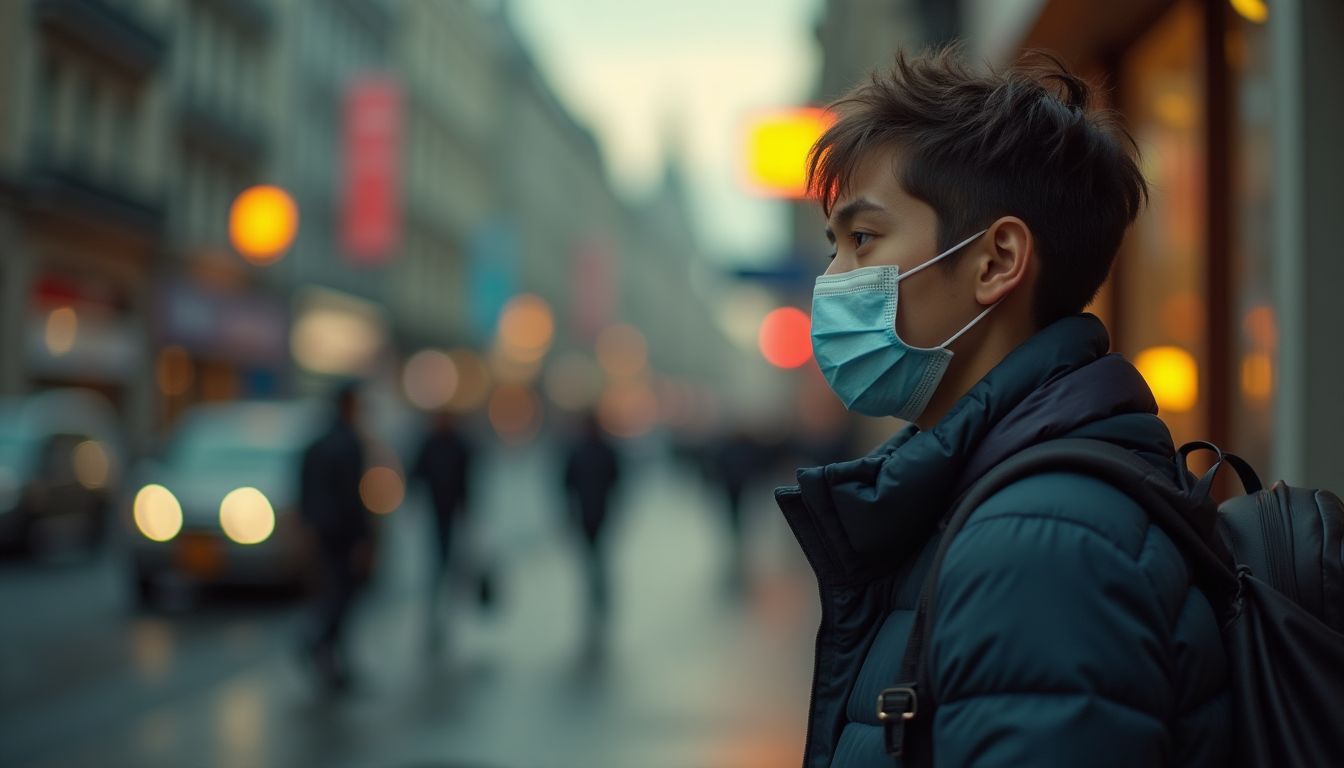
Here's something fascinating about human psychology: we have this weird compulsion to revisit our worst experiences once enough time has passed. Not because we enjoyed them, but because surviving them becomes part of our identity. The pandemic was, by almost any measure, a collective trauma — and we're now entering that sweet spot where it's far enough away to reflect on, but close enough that the memories still sting with uncomfortable clarity.
What makes this particular moment so ripe for pandemic retrospection is that we're roughly four to five years out from when the world went sideways. That's just enough emotional distance for people to start processing what actually happened — not just the surface-level "I baked sourdough and watched Tiger King" version, but the genuinely dark and disorienting reality of living through something unprecedented. The phrase "dark and stupid times" is doing a lot of heavy lifting here, because it perfectly captures that dual nature of the pandemic: it was simultaneously catastrophic and deeply, absurdly ridiculous.
Think about the cultural contradictions we were all living through. People were dying in hospitals while others argued about whether masks were a government conspiracy. Essential workers were being called heroes while being paid poverty wages. We clapped for healthcare workers from our balconies and then panic-bought every roll of toilet paper in a 20-mile radius. There's a particular flavor of collective cognitive dissonance baked into that era that people are only now starting to articulate properly — and when someone puts words to that feeling, it resonates hard.
There's also a generational storytelling impulse at play. Every generation has its defining "you had to be there" moment — the moon landing, the Berlin Wall falling, 9/11. The pandemic is shaping up to be that moment for millennials and Gen Z in particular. Sharing stories about how we lived through it isn't just nostalgia; it's myth-making. It's how people start constructing a collective narrative around a shared experience, deciding what it meant and how they want to remember it.
The "dark and stupid" framing is also genuinely clever because it gives people permission to feel two things simultaneously — grief and absurdity. A lot of pandemic discourse has swung between extremes: either treating it as solemn tragedy or dismissing the whole era as overblown hysteria. But the lived experience was neither of those things cleanly. It was watching your cousin's wedding become a Zoom call while also somehow becoming obsessed with learning TikTok dances. Holding both of those truths at once requires a kind of emotional complexity that most people haven't had a public space to express until now.
What's culturally significant here is that we're watching collective memory being formed in real time. The stories people share about their pandemic experiences — the isolation, the fear, the bizarre coping mechanisms, the moments of unexpected connection — are becoming the oral history of an event that genuinely reshaped modern life. Future historians will study what came out of this period, and right now, ordinary people are doing the first draft of that history just by sharing their stories.
The reason this kind of content captures attention isn't really about the pandemic specifically — it's about the deeply human need to say "I was there, it was strange, and I made it through." There's comfort in that collective acknowledgment, especially as the world has moved on at a pace that can feel almost disrespectful to how hard those years actually were. So when someone puts a pin in that era and says "yeah, that was genuinely dark and stupid and we lived through it anyway" — people don't just relate to it. They feel seen by it. And feeling seen, as it turns out, is basically the most powerful force on the internet.