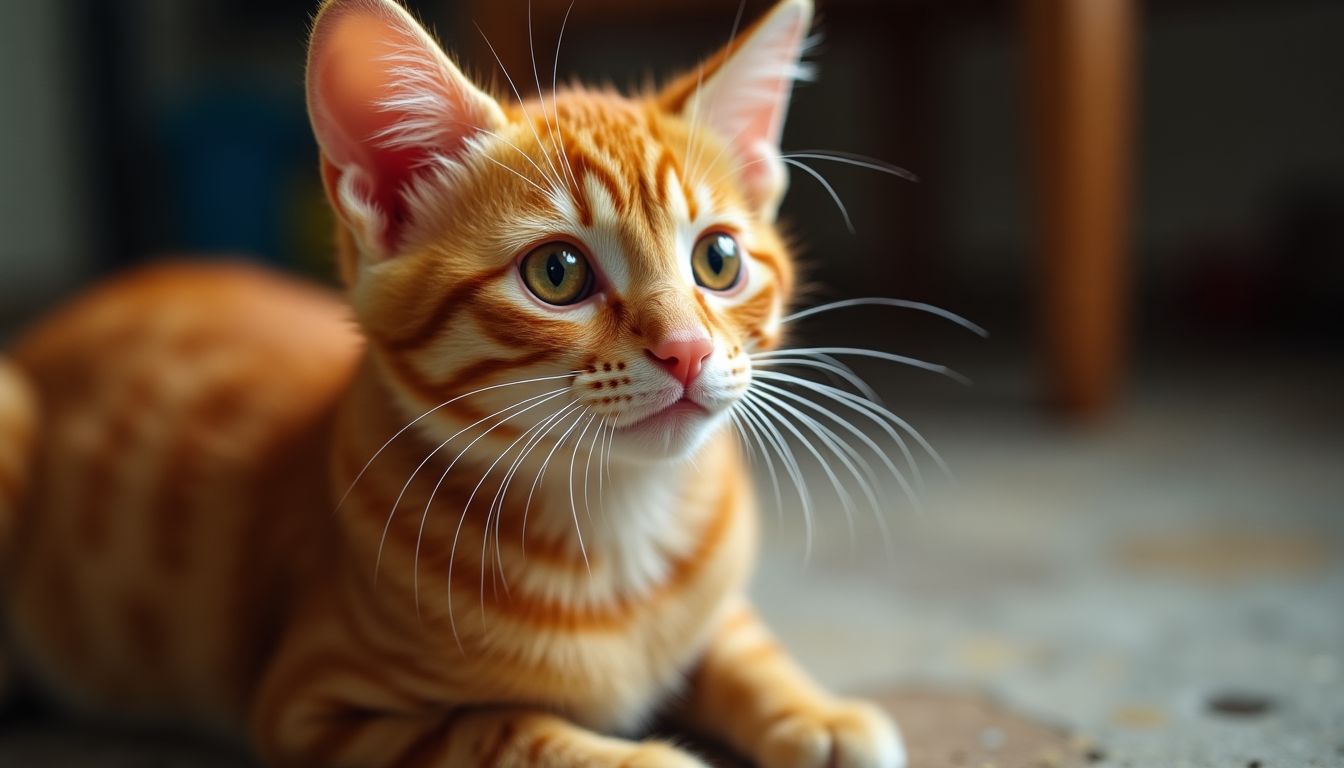
Okay, let's talk about orange cats. Specifically, let's talk about why the collective human population has seemingly agreed, without any formal meeting or vote, that orange cats are operating on a slightly different frequency than the rest of the animal kingdom. The "not surprised about the color" energy is real, it's universal, and honestly? It's one of the most wholesome conspiracy theories we've collectively bought into.
Here's the thing about orange cats — they've somehow become a cultural shorthand for a very specific personality type. Chaotic. Lovable. Absolutely feral in the most endearing way possible. Whether it's a video of an orange tabby doing something objectively unhinged or a photo capturing that signature vacant-yet-scheming expression, people recognize it immediately. There's a shared cultural script here that transcends age, geography, and background, and that kind of universal recognition is pure viral gold.
The "One Orange Braincell" phenomenon taps into something genuinely clever about how we process humor and community. The joke is that all orange cats share a single braincell, rotating it between them on some cosmic schedule. It's absurd, it's affectionate, and it gives people a sense of belonging to an inside joke with millions of strangers. That's a rare thing. When a piece of humor hits that sweet spot between ridiculous and relatable, it becomes a kind of social currency — something you share not just because it's funny, but because sharing it signals that you *get it*.
There's also something deeply comforting happening here in a broader cultural sense. We live in genuinely exhausting times — heavy news cycles, constant pressure, the general sense that the world is moving too fast. Orange cat content is the antidote. It asks absolutely nothing of you intellectually or emotionally. It's just a slightly dumb, extremely confident little creature living its best life without a single regret. People don't just find that funny — they find it aspirational. We *want* to be that unbothered.
The "not surprised about the color" framing is particularly genius because it invites participation. It's a setup that practically writes itself as a punchline. You see the chaos, you clock the orange fur, and you just *nod*. It rewards people who are already in on the joke while being accessible enough to pull new people in. That two-tiered accessibility — insider wink plus easy entry point — is basically the formula for anything that spreads like wildfire in the current attention economy.
What makes this moment feel unique is that orange cat culture has quietly built one of the most durable, long-running bits in internet humor. Most memes burn bright and fade fast. Orange cat energy? It just keeps going, because it's rooted in something real — actual cat behavior that actual cat owners recognize and laugh about daily. It's not manufactured or forced. It's observational comedy that happens to have a very fluffy, very orange subject. And at the end of the day, that authenticity is what makes people keep coming back, keep tagging their friends, and keep nodding knowingly at the color. Not surprised at all. 😼