
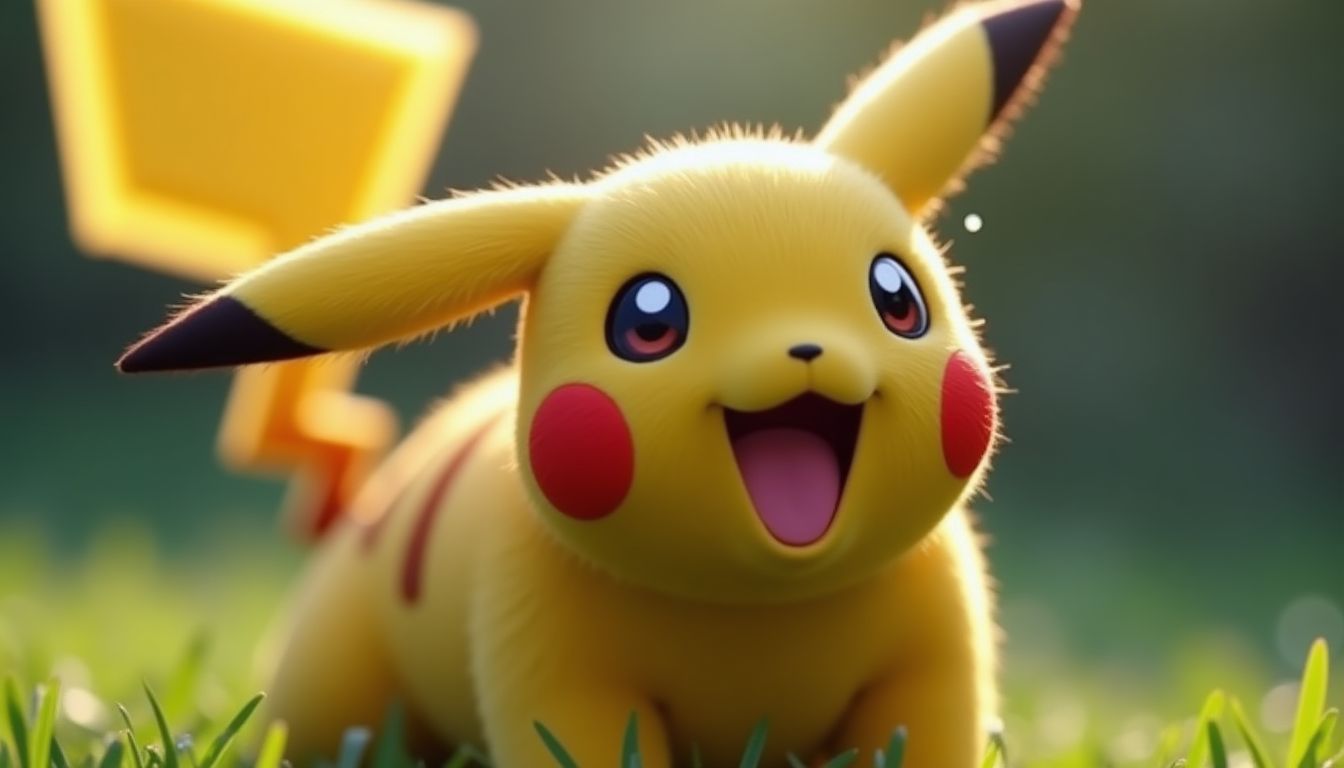
Okay, so here's the thing about Pokemon fans — they never really left. They grew up, got jobs, maybe had kids, but that little flame of nostalgia never fully went out. So when something called "Pokopia" starts making waves with a strong debut, you better believe it hits differently than your average gaming announcement. This isn't just about a new game. This is about an entire generation collectively leaning forward in their chairs.
What makes Pokopia particularly fascinating is the timing. The Pokemon franchise has been in an interesting place lately — fans have been vocal about wanting something fresh, something that recaptures the magic of those early games while feeling genuinely modern. There's a real hunger in the community right now, and "coming out strong" is exactly the kind of phrase that feeds that appetite. It signals momentum, and momentum in gaming culture is contagious in the best possible way.
Think about why Pokemon fandom works the way it does. It's multigenerational in a way few franchises can claim. You've got 30-somethings who remember trading cards at recess sitting right alongside teenagers discovering the world for the first time. When something new enters that ecosystem and immediately generates buzz, it creates this beautiful collision of perspectives — veterans analyzing every detail, newcomers getting swept up in the excitement without all the baggage. That shared enthusiasm across age groups is genuinely rare and genuinely powerful.
The name itself — Pokopia — is doing a lot of heavy lifting here. It's evocative. It sounds like a place, like a destination, which immediately sparks imagination. Is it a utopia for Pokemon? A new region? A completely different kind of experience? The ambiguity is working in its favor right now because it gives people something to theorize about, and Pokemon fans are world-class theorizers. The speculation alone becomes its own event.
There's also something worth noting about the phrase "coming out strong." In gaming circles, that's not just hype — it's almost a rallying cry. After years of high-profile releases that underwhelmed or felt rushed, fans are genuinely hungry for something that delivers on its promise right out of the gate. When early signals suggest a project has real substance behind it, people pay attention fast. It's the gaming equivalent of hearing a new song and immediately knowing it's going to be a hit before the chorus even drops.
The cultural significance here goes beyond pixels and pocket monsters, though. Pokemon represents one of the most consistent threads of collective childhood memory in modern pop culture. When something new in that universe shows genuine promise, it's not just exciting — it's almost emotionally meaningful. People aren't just rooting for a good game. They're rooting for that feeling to come back, that sense of wonder you had when you first stepped into Pallet Town and realized the world was yours to explore.
So why is Pokopia capturing attention right now? Because it's arriving at the perfect intersection of nostalgia, hunger for quality, and genuine curiosity. It's a name people don't fully know yet, attached to a franchise they know better than almost anything else. That combination — familiar love plus fresh mystery — is basically a recipe for cultural ignition. Whatever Pokopia turns out to be, it's already won the first battle: making people care. And in a world drowning in content competing for your attention every second, that's honestly the hardest part.