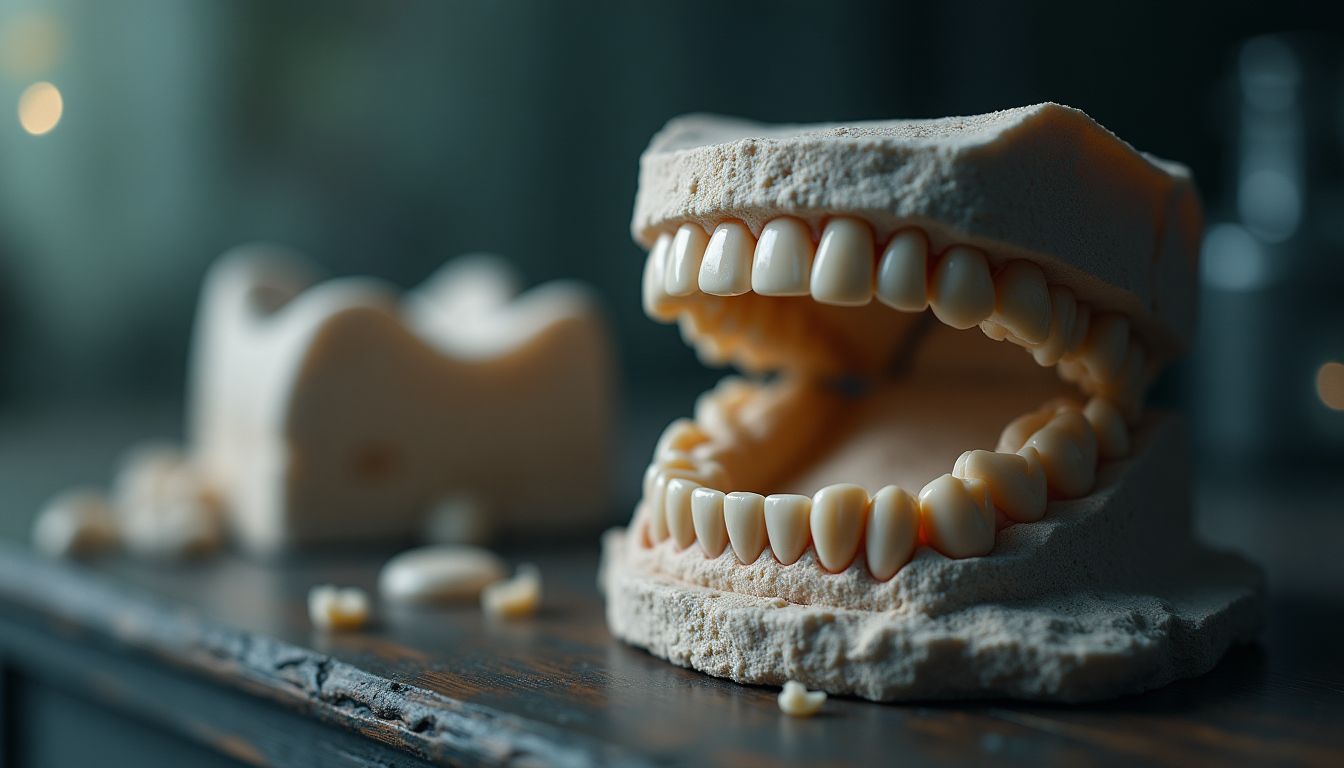
This story hits that perfect sweet spot of the bizarre and the mundane colliding in the most unexpected place. Dental impressions are deeply, almost uncomfortably personal — they are literal casts of your body — and yet here they are, discarded in the middle of nowhere like yesterday's trash. There's something viscerally unsettling about that. We're wired as humans to find out-of-place objects deeply intriguing, and when those objects happen to be intimate records of strangers' mouths, the curiosity meter absolutely rockets off the charts.
There's also a genuine mystery angle here that people can't resist pulling on. How did they get there? Did a dental office close down and someone just... drove into the mountains to dump them? Is there some obscure regulation about disposing of medical molds that someone was definitely not following? The mundane explanation is probably the most likely one — improper disposal of old dental records and materials — but our brains immediately start constructing weirder, more cinematic possibilities. We're storytelling creatures, and an unexplained pile of anything in the wilderness is practically an open invitation to spin a tale.
The timing resonates too, because there's a growing cultural fascination with what we leave behind — both literally and metaphorically. From abandoned urbex locations to mysterious landfill discoveries, people are increasingly captivated by the archaeology of everyday life and what discarded objects reveal about us as a society. A pile of dental molds in the Arizona desert is essentially a time capsule of anonymous human beings, each impression representing someone's actual smile, their actual mouth, their actual life. That's oddly moving when you think about it for more than two seconds.
Arizona's vast, remote landscape adds another layer to the intrigue. The state has this reputation as a place where weird things happen quietly, far from prying eyes — which is partly why it features so prominently in true crime stories, UFO lore, and general American mythology. Finding something this strange in those particular mountains feels almost poetic, like the setting is doing half the storytelling work on its own. The desert doesn't judge. It just keeps your secrets and occasionally lets a hiker stumble across them decades later.
At the end of the day, this story works because it's the perfect combination of gross, mysterious, and weirdly philosophical — all wrapped up in a single photograph anyone can immediately understand. You don't need specialized knowledge to appreciate the strangeness of it. You just need eyes and a functioning sense of "wait, that's not right." In a world where we're constantly bombarded with complex, exhausting news cycles, there's genuine relief in a mystery that's just weird enough to be fun and just grounded enough to feel real. A pile of teeth molds in the mountains is, somehow, exactly the kind of puzzle the world needed today.