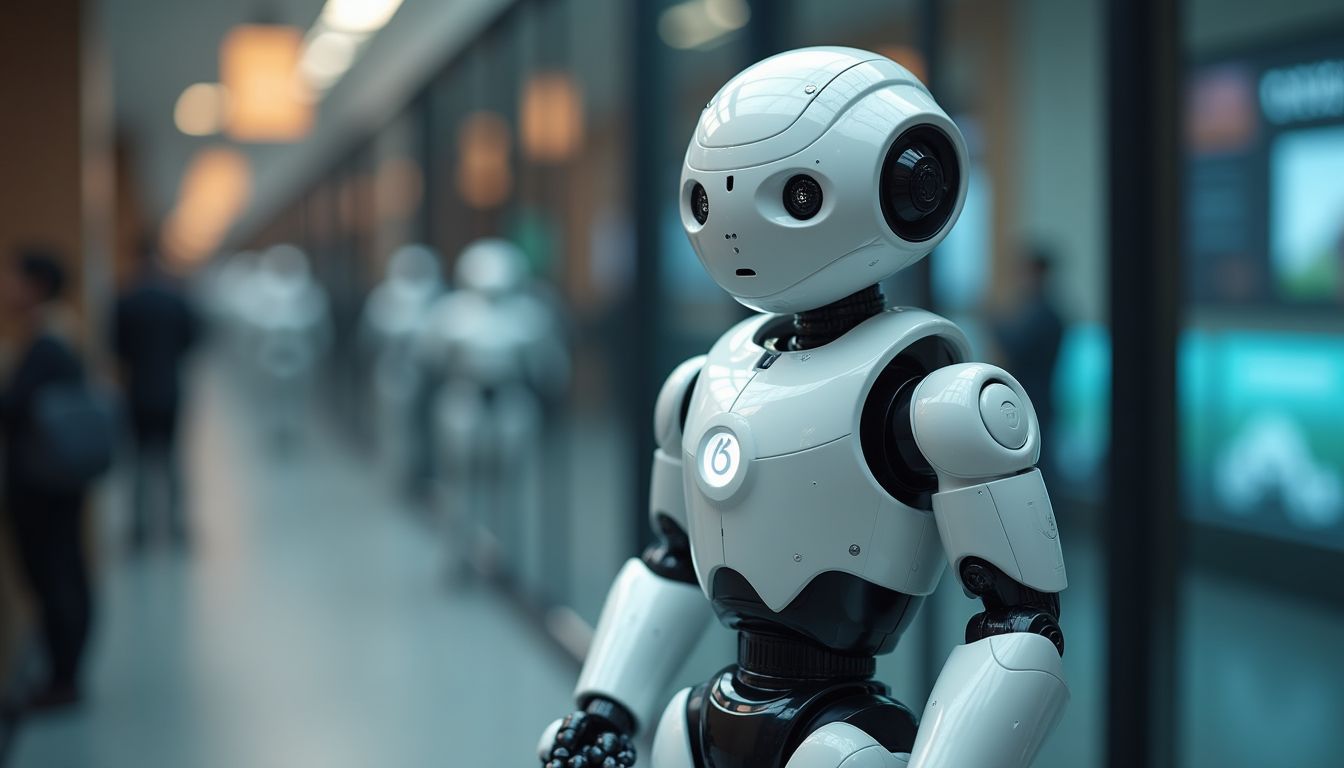
Okay, so here's the thing about robotic hands mastering tasks at superhuman speed — this isn't just a cool tech demo that engineers geek out over in a conference room. This is the moment a lot of people have been half-dreading, half-fascinated by for years. We've all seen the blooper reels of robots falling over, fumbling objects, or moving like they're operating through wet concrete. That narrative just got flipped on its head, and our brains genuinely don't know how to process it.
The timing here is everything. We're living through this weird cultural moment where AI is already reshaping how we write, think, and create, and now the physical world is catching up. Dexterous robotic hands completing tasks faster and more precisely than humans do is the bridge between "AI took my desk job" and "AI can do literally anything I can do." That's a psychological threshold people didn't expect to cross so soon, and crossing it changes the conversation in a very real way.
There's also something deeply primal about hands specifically. Think about it — hands are how humans have defined themselves as tool-users since the Stone Age. We paint them in caves. We shake them to seal deals. We use them to comfort people we love. They're not just functional, they're symbolic. When a robot masters the fine motor skills that took human evolution millions of years to develop, it hits differently than, say, a faster processor or a smarter algorithm. It feels personal in a way that's hard to articulate but impossible to ignore.
The "superhuman speed" part is doing a lot of heavy lifting in the fascination department too. Superhuman strength? We've had machines for that forever — cranes, forklifts, hydraulic presses. No one loses sleep over a bulldozer. But speed combined with precision and dexterity? That's the holy trinity that humans have always felt was uniquely ours. Surgeons, musicians, athletes — these are the people we put on pedestals precisely because of what their hands can do. The idea that a machine can now do it faster is genuinely humbling in a way that makes people stop scrolling and actually think.
What makes this moment uniquely captivating is that we're right at the tipping point — that narrow window of time where something transformative is happening but hasn't fully landed yet. It's like watching a slow-motion video of a glass falling off a table. You can see exactly where it's going, but it hasn't shattered yet. People are drawn to that tension like moths to a flame, because instinctively we know this is one of those "before and after" moments in history, and there's something exciting and terrifying about being present for it.
The social significance runs deeper than just tech enthusiasm too. Manufacturing workers, surgeons, physical therapists, assembly line operators — millions of people worldwide build their identity and livelihood around what their hands can do. This story isn't abstract for them. Meanwhile, for younger generations already navigating an uncertain job market shaped by automation, this adds another complicated layer to questions they're already wrestling with. It's the kind of story that means something different depending on who you are, which is exactly the recipe for widespread, sustained fascination.
At the end of the day, robotic hands going superhuman isn't just a technology story — it's a mirror held up to humanity asking "so, what exactly makes you special?" And honestly? That's a question none of us can resist trying to answer, even if we're a little afraid of what we might find.