
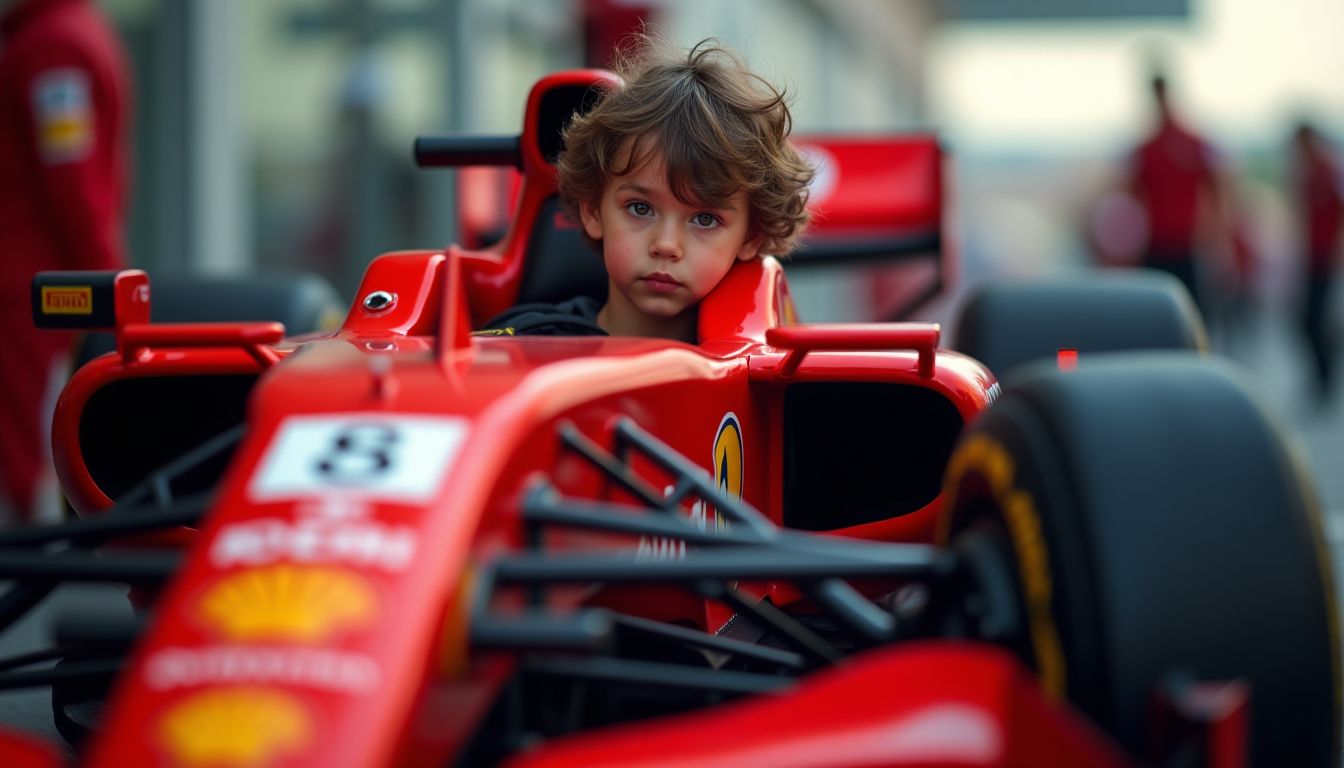
Okay, so here's the thing about Kimi Antonelli winning the 2026 Chinese Grand Prix — this isn't just a race result you scroll past and forget. This is the kind of moment that feels like the opening scene of a sports documentary you'll be watching in twenty years. A young driver, massive expectations, and a victory that lands at exactly the right time to reshape the entire narrative of a sport that was hungry for a new chapter.
Let's put this in context. Antonelli stepped into one of the most pressure-cooked seats in motorsport history — the Mercedes car that Lewis Hamilton occupied for over a decade of dominance. That's not just big shoes to fill, that's basically inheriting a throne that was built around one specific king. When a teenager walks into that situation, the world is watching with a mix of hope and brutal skepticism. A win this early doesn't just silence doubters, it flips the entire conversation on its head.
China as the venue matters more than people realize. The Chinese Grand Prix carries a certain symbolic weight — it's a market, a spectacle, and a proving ground all wrapped into one. Winning there signals something global, something broadcast-ready. It's not a quiet podium at a lesser-known circuit. It's a statement delivered on one of the sport's biggest stages, and that geographical significance amplifies the story considerably.
There's also a deeply human element to why this resonates so broadly. People genuinely love a generational handoff story. We saw it with Hamilton himself, with Verstappen, with Senna before them. There's something almost mythological about the moment when the future arrives and announces itself — loudly, undeniably. Antonelli's win triggers that primal sports fan instinct of "I was watching when it started." And trust me, people love being able to say that.
Formula 1 has spent the last several years aggressively courting new audiences through docuseries, digital content, and a cultural repositioning that turned racing into lifestyle entertainment. That strategy created millions of fans who are emotionally invested but still learning the sport's deeper lore. For those fans, a fresh young champion is the perfect entry point — no complicated decade-long rivalries to untangle, just a talented kid winning races and building a story in real time. That accessibility is genuinely powerful.
What makes this moment particularly sticky is the timing within the 2026 season. New regulations, new cars, new competitive landscape — 2026 was already being framed as Formula 1's reset button. A young driver winning early in that reset doesn't just win a race, he potentially defines the era. We might look back at Shanghai 2026 the way we look back at certain early Verstappen victories — as the moment the calendar flipped and something new took over.
At the end of the day, sports captivate us because they deliver unscripted drama with real stakes and real people. Antonelli's Chinese Grand Prix victory has all the ingredients of a story that grows over time — youth, legacy pressure, a sport in transition, and a result that arrived before many expected it. Whether he goes on to dominate the decade or faces a rockier road ahead, this win is now permanently stitched into the fabric of Formula 1 history. And right now, in this moment, that's more than enough to make the whole world lean in.