
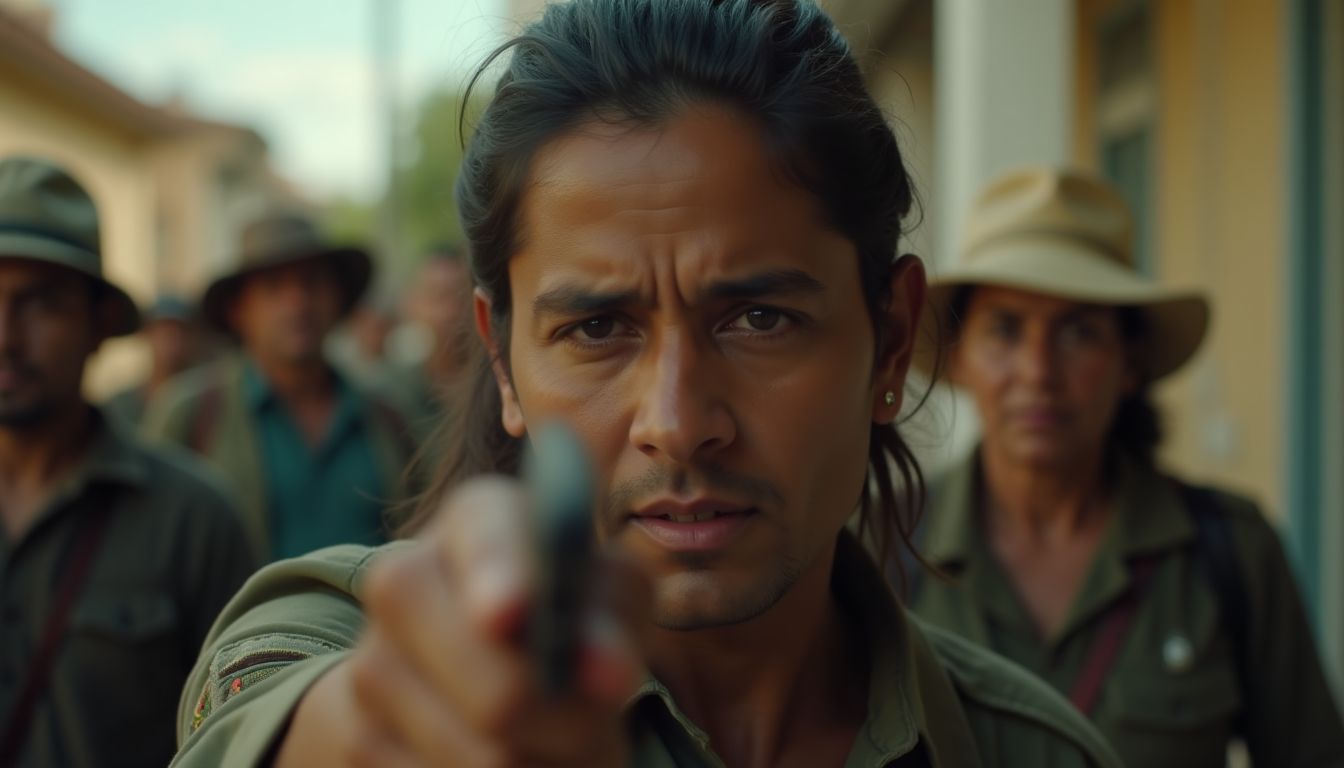
When 25 Mexican National Guard troops died in an operation targeting one of the world's most wanted drug lords, it crystallized something profound about modern conflict that goes way beyond typical cartel news. This wasn't just another drug bust gone wrong – it was a stark reminder of how the line between military operations and law enforcement has completely dissolved in Mexico's ongoing struggle against organized crime. The sheer scale of casualties among government forces tells a story that resonates far beyond Mexico's borders, touching on themes of state power, institutional legitimacy, and the very real human cost of the drug war.
Nemesio Oseguera Cervantes, known as "El Mencho," wasn't just any cartel leader – he was arguably the most powerful drug trafficker in the Western Hemisphere, with a $10 million U.S. bounty on his head. His Jalisco New Generation Cartel had become synonymous with unprecedented violence and military-style tactics that often outgunned local police forces. What makes this moment particularly gripping is how it represents the culmination of years of escalating warfare between increasingly militarized criminal organizations and government forces that have had to adapt by becoming more military themselves.
The casualty count here hits different because it reveals the true nature of Mexico's security crisis. When a quarter-century of National Guard members die in a single operation, it's not law enforcement – it's warfare. This resonates with people because it strips away any illusion that the drug war is some distant policy abstraction. These were trained soldiers, not beat cops, dying in what was essentially a battle against a private army funded by cocaine profits. The human cost becomes visceral and immediate in a way that drug seizure statistics never could.
There's also something uniquely unsettling about how this exposes the limits of state power in the 21st century. Mexico isn't a failed state, but here's a criminal organization that could inflict military-level casualties on government forces. It's a stark example of how non-state actors with enough resources can challenge traditional notions of sovereignty. For people watching from other countries dealing with their own organized crime issues, this becomes a cautionary tale about what happens when criminal enterprises grow powerful enough to wage actual war.
The timing amplifies the impact too. As governments worldwide grapple with questions about institutional effectiveness and public safety, this story becomes a lens for broader anxieties about whether traditional law enforcement can handle modern criminal enterprises. It's not just about Mexico – it's about what happens when criminal organizations evolve faster than the institutions meant to stop them. The fact that it took a military-style operation with devastating losses just to target one individual speaks to a fundamental shift in the nature of organized crime that people instinctively understand has implications far beyond Mexico's borders.