
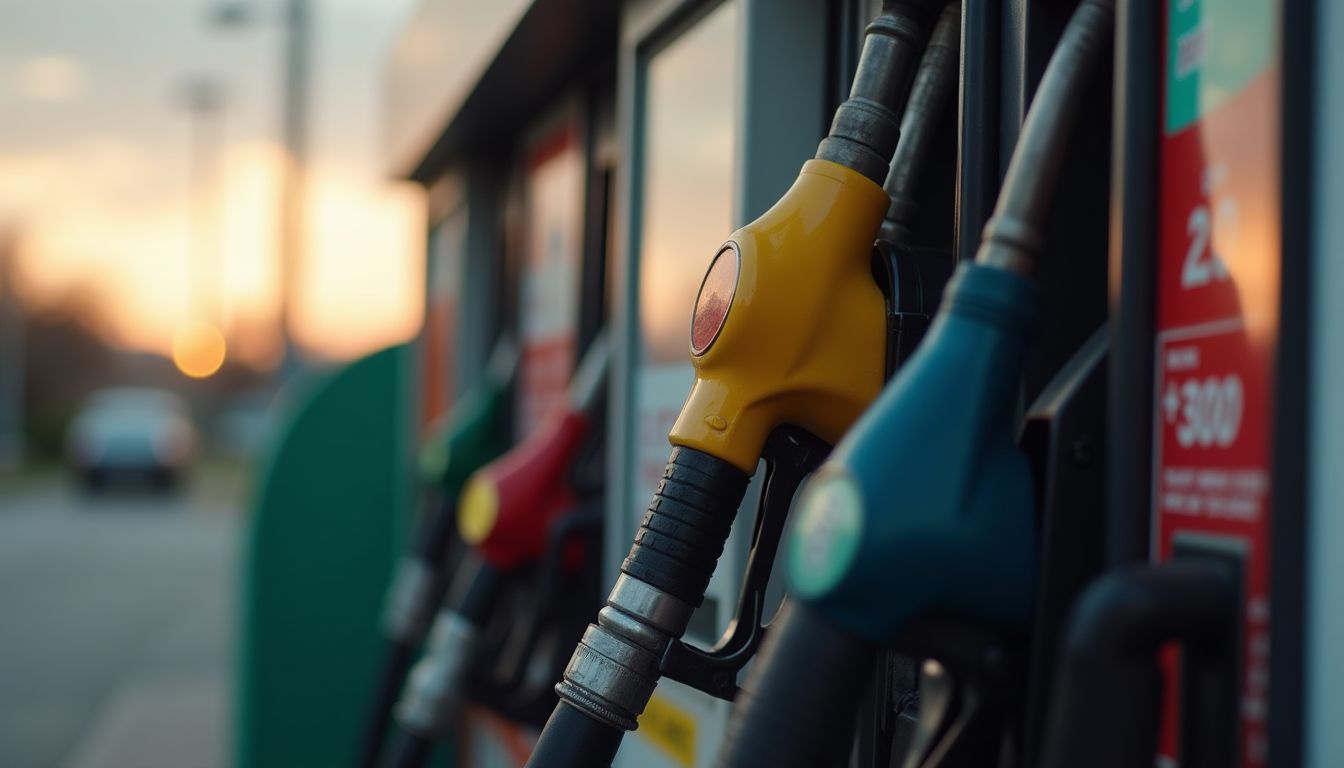
There's something viscerally democratic about a gas pump. It doesn't care who you voted for, what your income bracket is, or how you feel about politics in general. When you pull up and that price per gallon stares you down like an angry math teacher, it's just you and the cold, hard numbers. Right now, those numbers are hitting Americans square in the jaw, and the frustration is very, very loud.
Gas prices have this unique superpower in American culture — they're one of the few economic indicators that literally every single driving adult encounters face-to-face on a regular basis. You can debate inflation statistics in the abstract, but you cannot debate the number glowing at you while you're holding a nozzle in a parking lot at 7am. It's the most tangible, undeniable economic experience most people have, which is exactly why it becomes such a lightning rod for political anger.
The "thanks, [insert president here]" format of gas price outrage is genuinely one of America's oldest modern political traditions. It happened under Biden. It happened under Obama. It happened under Bush. But here's what makes this current moment feel different — we're in a uniquely polarized and economically anxious climate where every price increase feels like confirmation of something people already believed or feared. Whether you think Trump's tariff policies and economic maneuvering are directly responsible or not, the optics of rising prices in the early months of an administration are politically devastating. Perception becomes reality remarkably fast at the pump.
What makes this specific wave of frustration resonate so deeply is the timing. Americans were already stretched thin from years of post-pandemic inflation fatigue. Grocery prices, rent, insurance — the financial anxiety has been compounding for years now. Gas prices landing on top of that pile isn't just an inconvenience, it feels like the last straw for a lot of households. When something tips from "annoying" to "genuinely affecting my monthly budget decisions," that's when people go from quiet frustration to very public venting.
There's also a generational dimension here that's fascinating. Younger Americans who are navigating car payments, high rent, and stagnant wages look at gas prices through a fundamentally different lens than older generations who may have more financial cushion. For someone driving a used car to two jobs, every ten-cent increase per gallon isn't a talking point — it's a real calculation they're doing in their head. That rawness translates directly into the kind of passionate, unfiltered reactions that capture attention and spread fast.
The political blame game around gas prices is also a masterclass in how Americans process economic complexity. Global oil markets are staggeringly complicated — influenced by OPEC decisions, refinery capacity, seasonal demand, currency fluctuations, and about seventeen other factors most people reasonably don't have time to research. So what do we do? We look at who's in charge and assign responsibility. It's not entirely fair, but it's entirely human. Presidents become the face of economic conditions they often only partially control, and that's a dynamic that plays out every single time prices spike.
Ultimately, the viral anger around gas prices right now is less about petroleum economics and more about a collective emotional temperature check. It's people expressing that they feel squeezed, unheard, and frustrated — and the gas pump just happens to be the most convenient, tangible symbol available. Whether the blame is fully warranted or wildly oversimplified almost doesn't matter at this point. When people are exhausted and financially stressed, they need somewhere to point. And that glowing price-per-gallon sign? It's been pointing back at Washington for decades, and it's not stopping anytime soon.