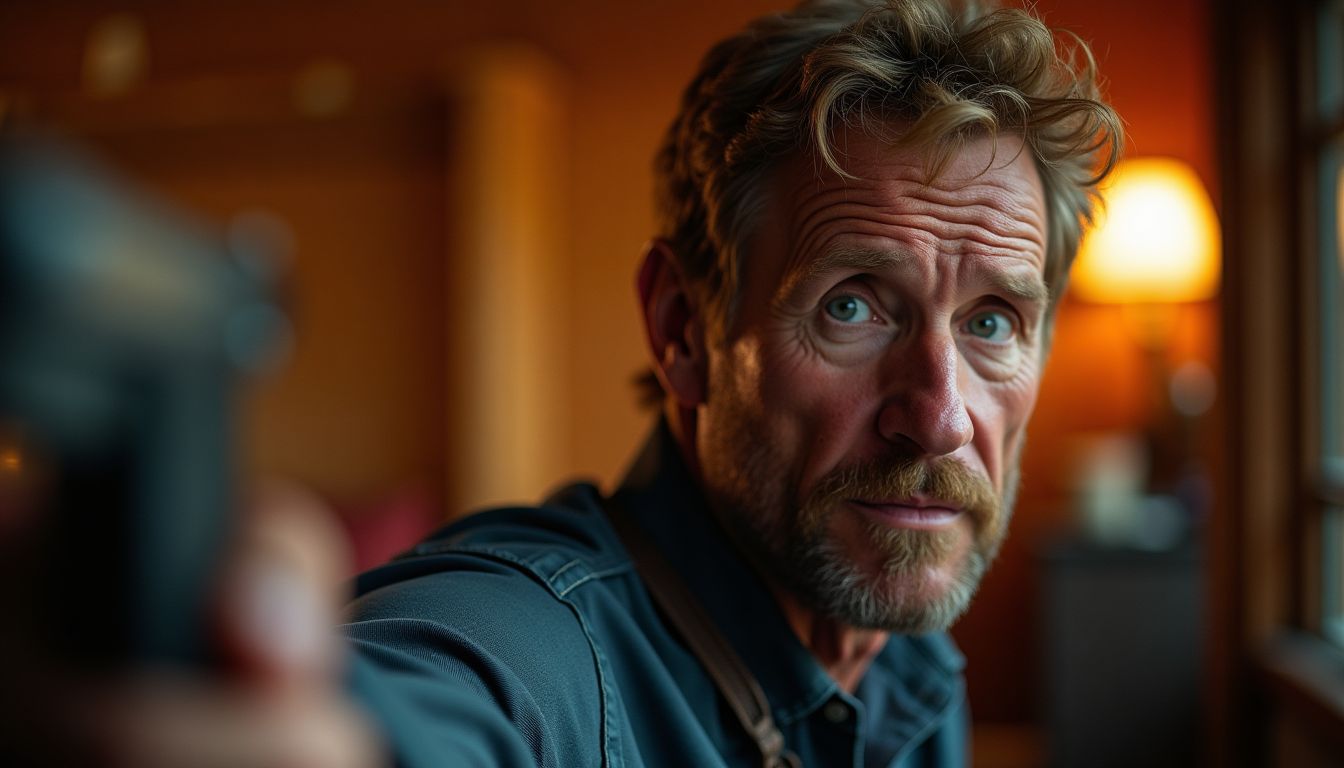
So Chuck Norris has passed away at 86, and here's the thing — even if you've never watched a single episode of Walker, Texas Ranger or sat through a Missing in Action film, you almost certainly know who he is. That's genuinely rare. That's the kind of cultural footprint that transcends generations, genres, and even the original medium that made someone famous. Chuck Norris didn't just have a career — he became a concept.
Let's rewind to understand the full weight of this moment. Norris emerged in the 1970s and 80s as the archetypal tough guy — a real-life martial arts champion who made that toughness feel authentic on screen in a way that pure Hollywood actors simply couldn't. He wasn't just playing a hard man. He was one. And in an era of Cold War anxieties and a nation processing the trauma of Vietnam, that kind of unambiguous, boots-on-the-ground heroism hit a deep cultural nerve.
Then came the internet, and something fascinating happened. A new generation that had largely missed his film heyday discovered Chuck Norris through memes — those iconic "Chuck Norris facts" jokes that spread like wildfire in the mid-2000s. "Chuck Norris doesn't do push-ups. He pushes the Earth down." Suddenly, he wasn't just a star from their parents' era. He was a living legend, a walking punchline delivered with genuine affection. The joke was never really mocking him — it was celebrating the sheer mythological scale of his persona.
That's actually the key to why this moment hits differently than a typical celebrity death. Norris occupies this extraordinary dual legacy — respected action hero to one generation, beloved internet folklore to another. Very few cultural figures manage to bridge that gap so cleanly. When someone like that passes, it doesn't just feel like losing a person. It feels like a chapter of the cultural handbook closing permanently.
There's also something genuinely poignant about the timing here. We're in a period where the giants of classic Hollywood and action cinema are leaving us with increasing frequency. These were the faces that defined what "cool" looked like for millions of kids growing up in the latter half of the twentieth century. Each passing feels like another light going out in a particular constellation — one that felt permanent and invincible precisely because these figures were so associated with strength and toughness. Chuck Norris dying feels almost philosophically contradictory, which is exactly why it lands so hard.
At 86, he lived a genuinely full life — a Korean War veteran, a martial arts pioneer, a film icon, and someone who remained culturally relevant across five distinct decades. That's not a tragedy in the conventional sense. But grief doesn't always follow logic. People are mourning a version of their own childhoods, their Saturday afternoon movie marathons, their first exposure to the idea that one determined person could take on impossible odds and win. That's a powerful thing to lose, regardless of age.
What makes this moment unique is that it's one of those rare cultural pauses where multiple generations stop and share the same feeling simultaneously — even if they arrived at their Chuck Norris fandom through completely different doors. The kid who watched Walker, Texas Ranger with their grandparents and the teenager who laughed at Chuck Norris facts in a 2007 internet cafe are both feeling this today. That kind of cross-generational grief is a genuine tribute to how thoroughly a person wove themselves into the fabric of popular culture. Chuck Norris didn't just entertain us — he became part of our shared language. And that's worth pausing for.