
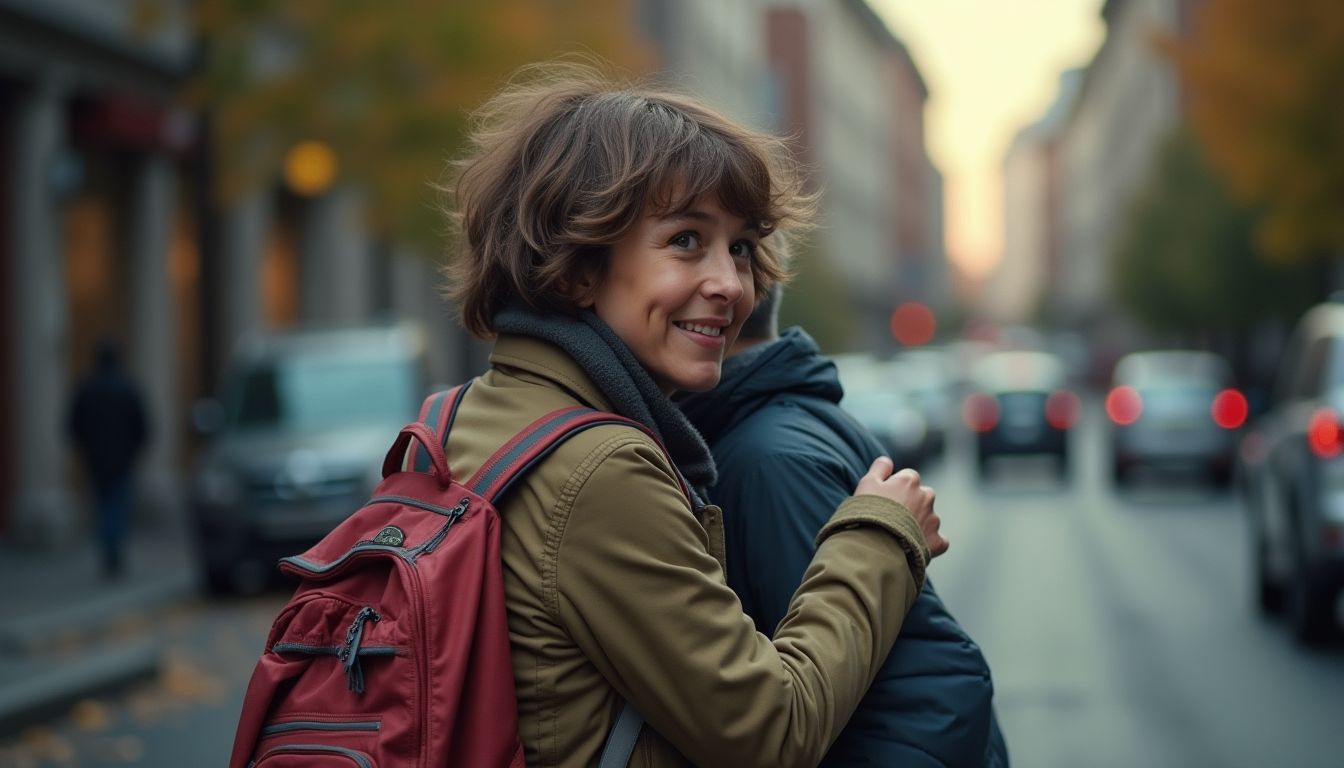
There's something quietly profound happening on the roads right now, and it has nothing to do with traffic or road rage. A simple story about one person teaching a complete stranger how to drive a manual transmission has captured hearts in a big way — and honestly, once you think about it for a second, it's not hard to understand why. In a world where we barely make eye contact with our neighbors, someone stopping to genuinely help another human being navigate a clutch pedal feels almost revolutionary.
Let's talk about the manual transmission angle specifically, because it's doing a lot of heavy lifting here. Stick shift driving is a dying skill — fewer than 18% of Americans can drive one today, and that number keeps shrinking. For a lot of people, learning to drive stick was a rite of passage, usually taught by a parent, grandparent, or that one cool older cousin in an empty parking lot. It's soaked in nostalgia and warmth, which means this story isn't just about driving — it's instantly triggering a flood of personal memories for anyone who's been on either side of that lesson.
Then there's the stranger element, and this is where it gets really interesting from a cultural standpoint. We've built entire systems specifically designed to avoid asking strangers for help — GPS instead of asking directions, self-checkout instead of chatting with a cashier, delivery apps instead of calling restaurants. So when a story breaks through that shows two people who had absolutely no obligation to each other actually connecting over something real, it hits differently. It's a small rebellion against the isolation we've quietly accepted as normal.
Timing matters too. We're collectively exhausted by big, complicated problems that feel impossible to solve. Political divides, economic anxiety, existential dread — take your pick. Stories like this one work as a kind of emotional pressure valve. They remind people that goodness doesn't require a grand gesture or a viral campaign. Sometimes it's literally just a patient person helping someone figure out when to ease off the clutch. That's it. That's the whole story. And right now, that simplicity is genuinely radical.
What makes this moment particularly unique is the specificity of the skill being shared. It's not abstract advice or a motivational pep talk — it's a tactile, hands-on transfer of knowledge from one human to another. There's an intimacy to teaching someone something physical, something that requires patience and repetition and the occasional stalled engine. The teacher had to trust the stranger with their car or their time, and the learner had to admit they needed help. Both of those things require a kind of vulnerability we don't talk about enough.
And here's the thing about "small things" that this story quietly argues — they're not actually small at all. The ripple effect of a single kind interaction, the way it can change someone's entire day or even their outlook, is genuinely underestimated. The person who learned to shift manually didn't just learn a skill. They learned that strangers can be good. That's a lesson that sticks around a lot longer than remembering when to hit third gear.
At the end of the day, this story went as big as it did because it's essentially a perfect little fable for the moment we're all living in. It's proof of concept that human connection still works, that practical generosity still exists, and that sometimes the most meaningful things that happen to us involve no agenda whatsoever. A stranger, a gear shift, and a little patience — and somehow that's enough to remind an enormous number of people why being human is actually pretty great.