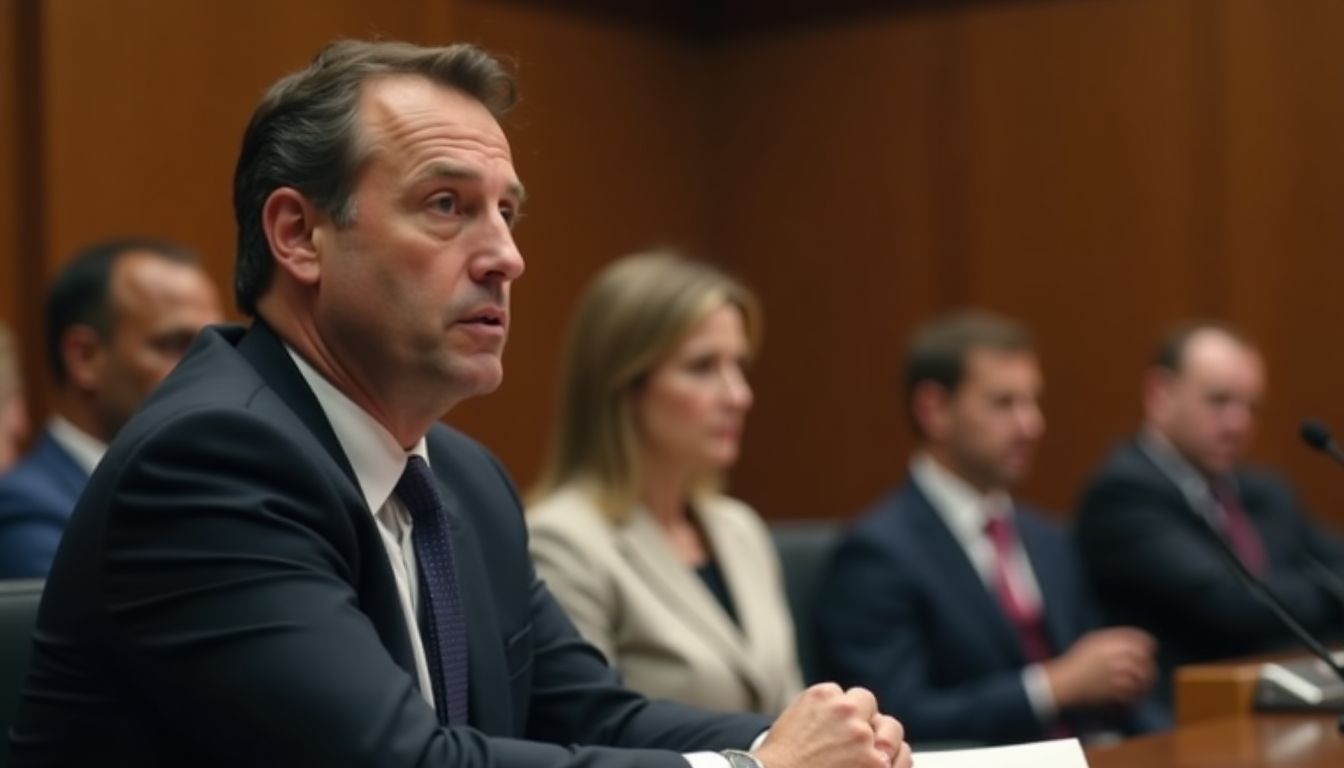
So here's the thing — a court just ruled that Meta and YouTube are actually liable in a social media addiction case, and the reason this hits so differently than past tech controversies is because it moves the whole conversation from "well, maybe" to "a judge literally agreed." That's a massive shift. We've spent years watching documentaries, reading op-eds, and having vague dinner table anxieties about what these platforms are doing to our brains — especially young ones. But legal liability? That's the universe going from a shrug to a gavel slam.
What makes this moment genuinely historic is the precedent it sets. For decades, Big Tech has operated with this almost mythological shield of invincibility — sure, people complained, regulators huffed and puffed, but the companies mostly skated through with a fine here, a congressional hearing there, and then business as usual. Holding them legally responsible for addiction-by-design is a different animal entirely. It's the legal system catching up to what behavioral scientists and worried pediatricians have been screaming about for years — that these platforms weren't accidentally addictive, they were engineered that way.
There's also something deeply personal about why this resonates right now. Think about it — there isn't a parent, teacher, or older sibling alive who hasn't watched someone they love get swallowed by a scroll hole. The "just put the phone down" advice has always felt hollow precisely because the design of these apps fights against that impulse at every turn. Infinite scroll, algorithmic dopamine loops, notification engineering — these aren't accidents, they're features. And now a courtroom has essentially confirmed: yeah, that's not your kid's fault, and it's not your failure as a parent either.
The cultural timing here is also really important. We're living through a genuine national reckoning about youth mental health, with anxiety and depression rates in teens hitting levels that would've been unthinkable twenty years ago. Books like "The Anxious Generation" are flying off shelves. States are passing legislation banning phones in schools. There's a growing, cross-political consensus that something went seriously wrong — and that the tech industry needs to answer for it. This verdict lands smack in the middle of that cultural awakening like a match near kindling.
What's also fascinating is the David vs. Goliath energy coursing through this story. Meta and YouTube aren't just companies — they're two of the most powerful entities on the planet. The idea that a trial could find them liable feels almost surreal, like catching lightning in a bottle. People who've felt powerless against algorithmic manipulation for years suddenly see a crack in the fortress wall. That emotional release is real and it's powerful — it's the collective exhale of people who've been saying "someone needs to do something" finally seeing that someone, somewhere, did.
Now, let's be clear — this isn't the end of the story, it's the beginning of a very long legal and cultural battle. Appeals will come, settlements will be negotiated, and armies of corporate lawyers will earn their yachts fighting this. But the psychological and cultural shift this verdict represents is already happening in real time. When courts start treating platform addiction like a product liability issue — the same way we treat faulty seatbelts or dangerous pharmaceuticals — the entire framework for how we think about tech accountability changes. And that conversation, once started, doesn't go back in the box.