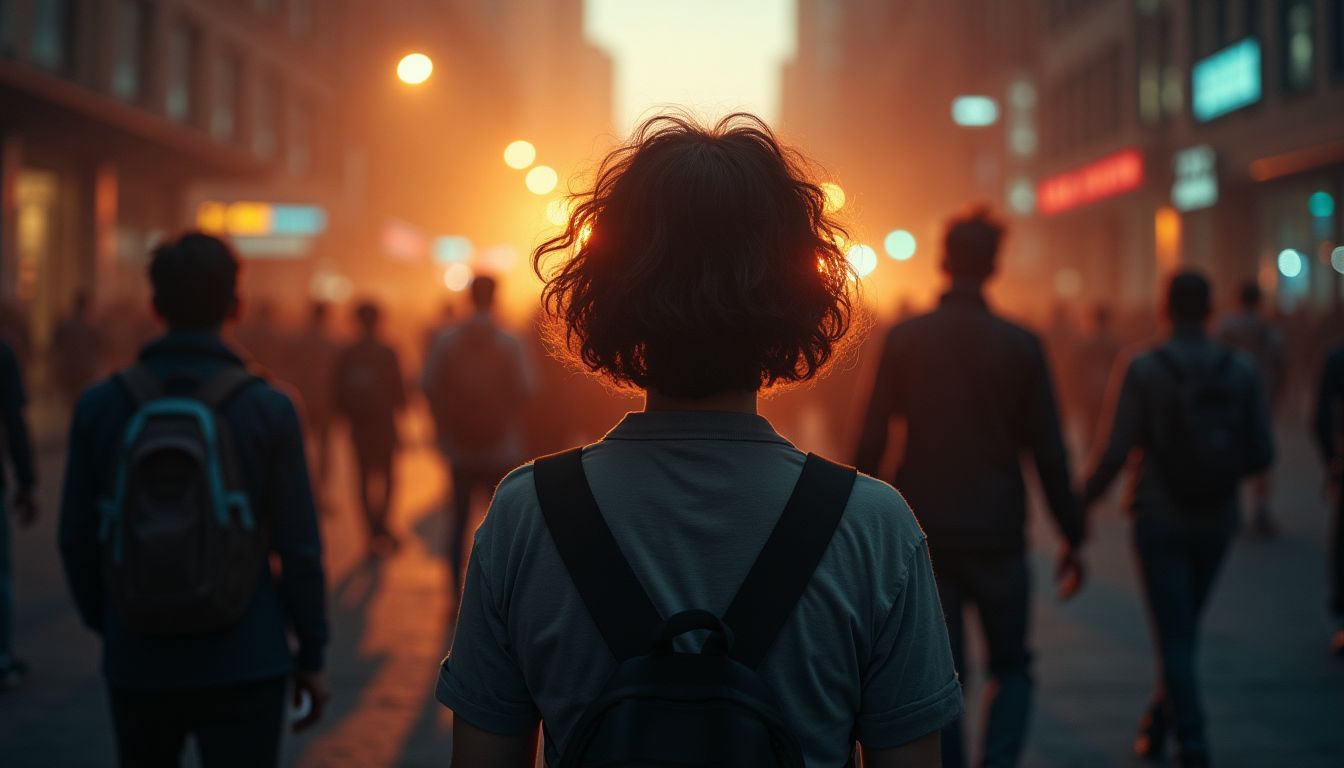
Picture this: you're scrolling through your phone while a major news story breaks, watching endless coverage of events you feel powerless to influence, observing political drama unfold like a slow-motion car crash you can't look away from. Sound familiar? The phrase "All we do is watch" has struck a nerve because it perfectly captures the unique brand of helplessness that defines our current moment in history.
We're living through what might be the most observed era in human history, yet paradoxically one where individual agency feels more limited than ever. Think about it – we have unprecedented access to information, real-time updates on everything from climate disasters to political scandals, live streams of conflicts happening halfway around the world. But what can most of us actually do about any of it? We watch, we react, we share, and then we watch some more.
This sentiment taps into something deeper than just digital fatigue. It's about the profound disconnect between our awareness and our ability to create meaningful change. Previous generations might have been less informed about global events, but they often had clearer pathways to action – join a union, write a letter to the editor, organize locally. Today, we're drowning in awareness but starving for agency. We see everything, understand the stakes, and yet feel like spectators in our own democracy.
The meme format itself is brilliant in its simplicity. By referencing SpongeBob and Patrick's passive observation, it transforms a potentially heavy existential crisis into something digestible and shareable. It's the perfect vehicle for expressing frustration without falling into complete despair. There's something both tragic and comedic about reducing our complex political moment to cartoon characters watching events unfold – which is exactly why it works so well.
What makes this moment particularly resonant is how it captures the exhaustion of being a conscious citizen in 2024. We've been through cycles of outrage, activism, hope, and disappointment. Many people, especially younger generations, are experiencing a kind of civic burnout. They're still engaged, still caring, but increasingly feeling like their engagement doesn't translate into the changes they desperately want to see.
The phrase also reflects our relationship with media consumption itself. We're not just watching the news; we're watching reactions to the news, watching analysis of the reactions, watching people watch other people react. It's layers upon layers of observation, creating this strange meta-reality where the act of watching becomes its own form of participation. But is it really participation, or just an elaborate form of spectatorship?
This resonates across political lines because the feeling of powerlessness isn't exclusive to any one ideology. Whether you're watching your preferred candidates disappoint you, witnessing institutions fail to live up to their promises, or seeing urgent issues get buried under trivial controversies, the sensation of being reduced to a viewer rather than an actor is universal.
Perhaps what's most striking about this cultural moment is how it reveals our collective hunger for genuine agency. The fact that "All we do is watch" resonates so deeply suggests that people are craving more than observation – they want meaningful ways to participate, to influence, to create change. The meme becomes both a lament and a call to action, a shared acknowledgment that watching isn't enough, even when it feels like all we can do.