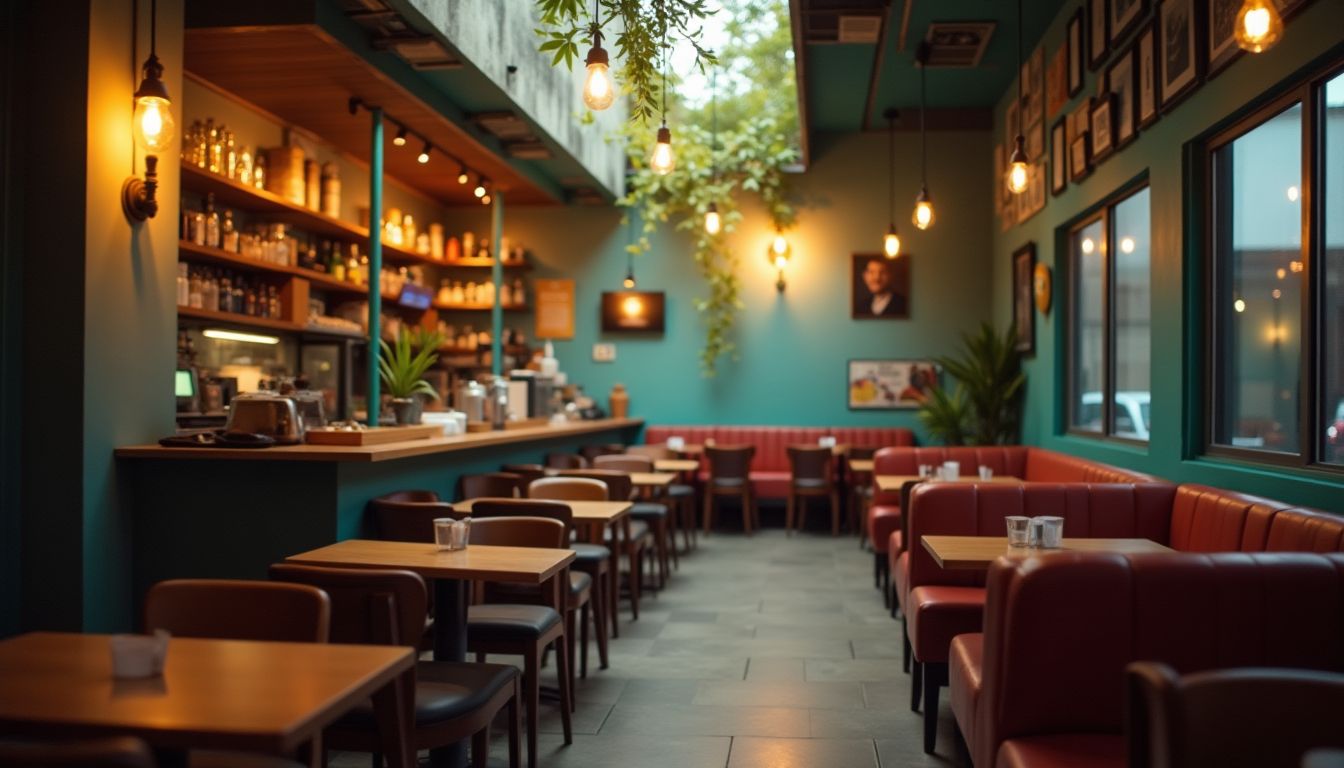
So picture this: a small cafe in Brazil hangs up a sign saying they won't serve American or Israeli citizens. That's it. That's the whole story on the surface. And yet here we are, talking about it, because something that simple managed to crack open an enormous, messy conversation that a lot of people have been wanting to have out loud for a while now.
The timing is everything here. We're living through a period where geopolitical tensions aren't staying neatly contained to government buildings and UN speeches anymore. They're seeping into everyday life, into commerce, into who gets to sit down and order a coffee. This cafe owner made a deeply personal, arguably radical political statement with something as mundane as a business policy. And that contrast, the intimate versus the enormous, is exactly what makes this so compelling to people.
There's also something undeniably provocative about the target. Refusing to serve Israeli citizens in the context of the ongoing conflict in Gaza reads as a statement of solidarity with Palestinians. Tacking on American citizens alongside them implies a pointed critique of U.S. foreign policy and military support. Whether you agree with the move or think it's misguided, you have to admit it's a bold and deliberate message wrapped in a seemingly simple act of running a business. The owner isn't writing op-eds or organizing protests. They're just... not making you a cappuccino.
And Brazil is a fascinating location for this to happen. Brazil has historically positioned itself as a voice of the Global South, and under President Lula, the country has been increasingly vocal in its criticism of Israeli military operations. So this isn't happening in a cultural vacuum. This cafe owner is reflecting a broader sentiment that's been building in Latin America and across developing nations who feel like Western powers operate by a completely different set of rules than everyone else. The cafe becomes almost a microcosm of that frustration.
Now, the debate this sparks is genuinely thorny and that's another reason it captures attention. Is this discrimination? Is it political protest? Is there even a meaningful difference between the two in this context? People who support the cafe's stance will argue it's moral courage, a refusal to be complicit by serving citizens of nations whose governments are funding or conducting what they see as atrocities. People who oppose it will argue that punishing individual citizens for their government's actions is exactly the kind of collective blame that we should be moving away from. Both sides have a point, which is the hallmark of a conversation that actually matters.
There's also the sheer audacity factor. In an era where businesses tend to bend over backwards to avoid controversy, watching a small cafe essentially dare the world to have an opinion is genuinely refreshing to a lot of people, even those who disagree with the sentiment. It's a reminder that individual actors can still make noise, that one sign on a cafe door can trigger a conversation spanning continents. There's something almost romantically defiant about it.
Ultimately, this story resonates because it forces a question most of us quietly wrestle with: how do our everyday choices, where we eat, what we buy, who we serve, connect to the larger moral landscape of the world? This cafe owner decided their answer out loud, in public, with a sign. And whether that makes them a hero, a bigot, or something complicated in between probably says a lot more about you than it does about them. That's the kind of mirror a story holds up when it really hits a nerve.