
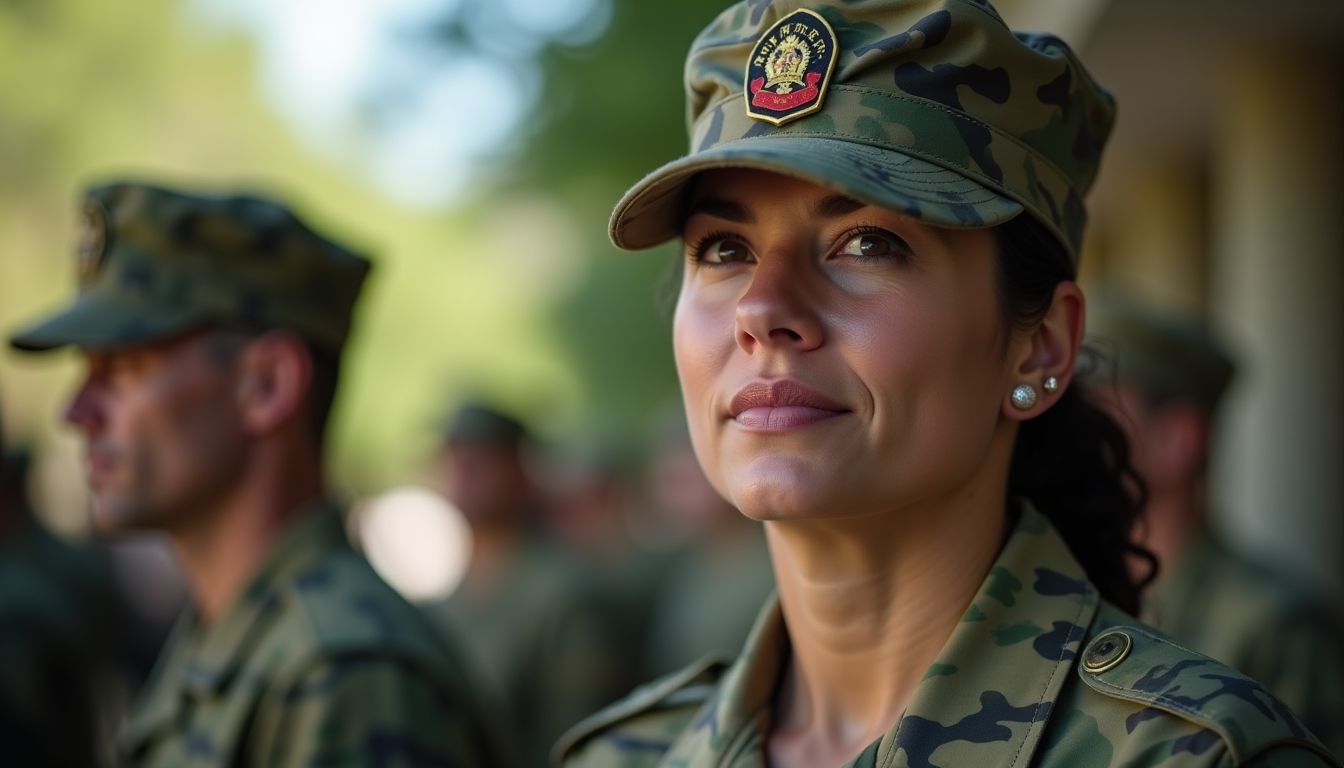
The age change is the headline grabber for a reason. Think about what 42 actually means in 2024. That's a Gen Xer who grew up with grunge and dial-up internet, possibly with a mortgage and a teenager at home, now theoretically eligible to ship off to basic training. There's something viscerally jarring about that image, and it immediately makes people do the mental math on their own lives. "Wait, I'm 39... that means..." — and suddenly a policy memo becomes deeply personal.
The marijuana piece is equally fascinating because it reflects just how rapidly national attitudes have shifted. A decade ago, admitting you'd smoked weed was practically a career-ending confession in a military context. Now the institution that arguably represents America's most traditional values is softening that line. That's not a small thing. It's a signal that even the most conservative-leaning institutions can't afford to ignore cultural reality when they have a recruiting problem to solve. The Army isn't doing this because they suddenly love cannabis — they're doing it because they need warm bodies and the talent pool that excludes past marijuana users is getting prohibitively small.
And that's really the undercurrent of this whole story: the military is struggling to recruit. Enlistment numbers have been falling for years, and the reasons are layered — fewer young Americans are physically eligible, fewer are interested, and the pipeline of motivated 18-to-22-year-olds just isn't what it used to be. Raising the age ceiling to 42 is essentially the Army saying, "Okay, we need to look elsewhere." It's a pragmatic move, but it also quietly signals something uncomfortable — that the traditional model of a young, fresh recruit army is under real pressure.
There's also a class and opportunity angle here that resonates with a lot of people. Military service has always been a path for economic mobility, offering education benefits, healthcare, and stability. Opening that door wider — to older adults who maybe missed their shot the first time, or who are navigating a tough job market mid-life — is genuinely meaningful for some communities. At the same time, critics will ask whether sending 40-somethings through the physical gauntlet of basic training is realistic or responsible. That tension between opportunity and practicality is exactly the kind of debate people love to have.
What makes this moment feel unique is that it sits at the intersection of so many ongoing conversations — about cannabis legalization, about military service and sacrifice, about an aging workforce, and about what it means to "serve" in a country that's increasingly divided about what it's serving. It's not just a military story. It's a mirror held up to where America is right now: pragmatic, a little desperate, and quietly negotiating with its own changing values. That's a recipe for a story that sticks with people long after the headline fades.