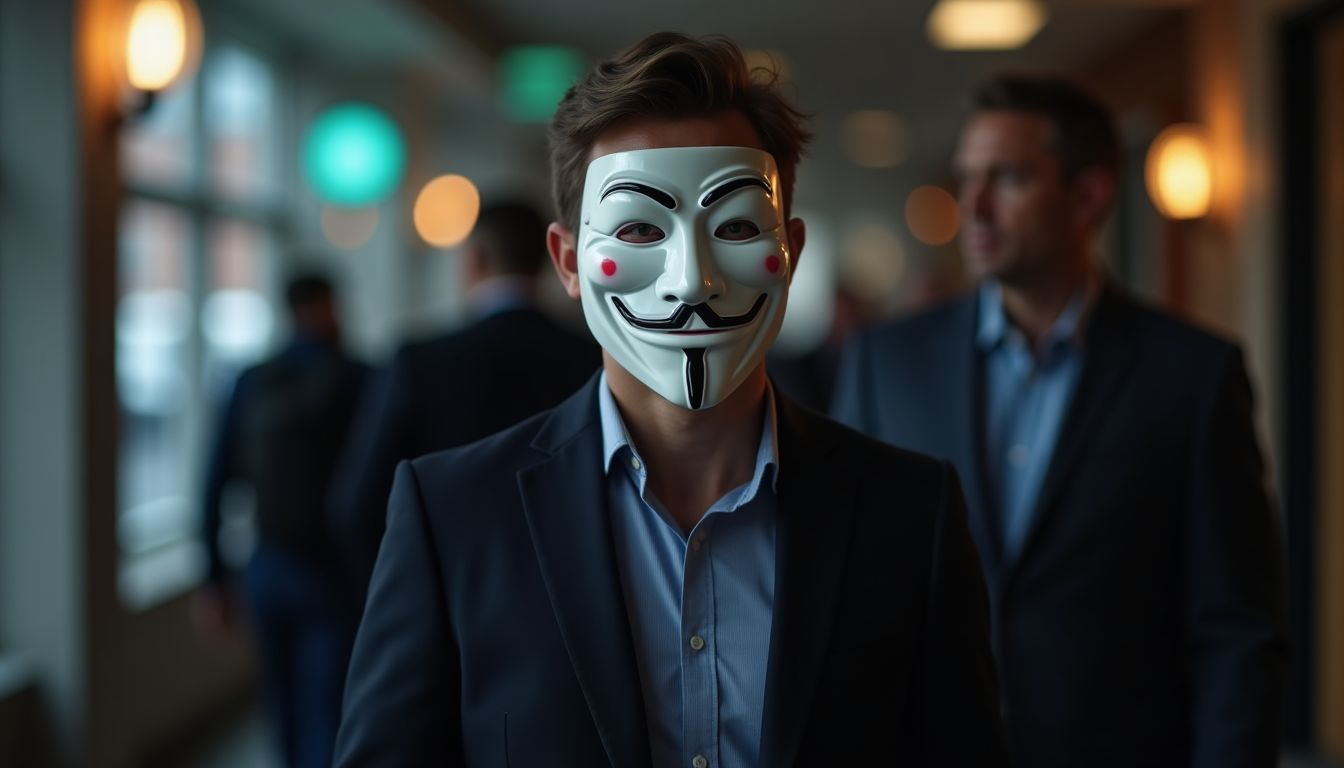
Picture this: Jeffrey Epstein dies in his Manhattan jail cell, and somehow an anonymous poster on 4Chan knows about it nearly 40 minutes before official news breaks. Not just knows about it – but posts about it with an eerie casualness that sent the FBI scrambling to figure out how the hell this happened. It's the kind of story that makes you wonder if we're living in some bizarre techno-thriller where information travels through shadows faster than through official channels.
What makes this absolutely fascinating is how it crystallizes our deepest anxieties about information, power, and who really knows what's going on behind closed doors. Here we have one of the most high-profile prisoners in recent memory – a guy connected to politicians, billionaires, and royalty – and somehow his death gets leaked to the internet's most notorious anonymous message board before anyone else. It's like finding out the town gossip knew about the mayor's resignation before the mayor's own staff did.
The timing couldn't be more perfect for capturing our collective paranoia. We're living in an era where trust in institutions is at historic lows, where people genuinely believe that shadowy networks control everything from elections to stock markets. When a story like this breaks – suggesting that anonymous internet users have better intelligence than official news sources – it feeds directly into that narrative that there's always more going on than we're being told.
But here's what really gets people: it's not just that someone knew early. It's that they casually dropped this bombshell information on 4Chan of all places – a site known more for memes and chaos than breaking news. It's like getting insider trading tips from a fortune cookie. The sheer randomness and apparent impossibility of it all makes people question everything they think they know about how information flows in our society.
The FBI investigation angle adds another delicious layer of intrigue. Imagine being the federal agent tasked with figuring out how an anonymous poster beat your entire intelligence apparatus to the punch. You're essentially playing detective in a case where the only clue is a timestamp on one of the internet's most deliberately untraceable platforms. It's simultaneously hilarious and deeply unsettling – like watching the world's most serious people try to solve a puzzle made by the world's most unserious people.
What's really striking is how this story perfectly encapsulates our modern information ecosystem's weirdness. We have official channels, mainstream media, government agencies – all these supposedly authoritative sources of information. And yet somehow the most explosive details emerge from the digital equivalent of bathroom graffiti. It makes you wonder what else is floating around in these anonymous corners of the internet that never makes it to the evening news.
This resonates because it confirms what many people already suspect: that the real story is always more complicated than what we're officially told. Whether you believe in grand conspiracies or just think institutions are incompetent, this story offers something to validate your worldview. It's proof that information doesn't always flow the way we think it should, and that sometimes the most important intel comes from the most unexpected places.