
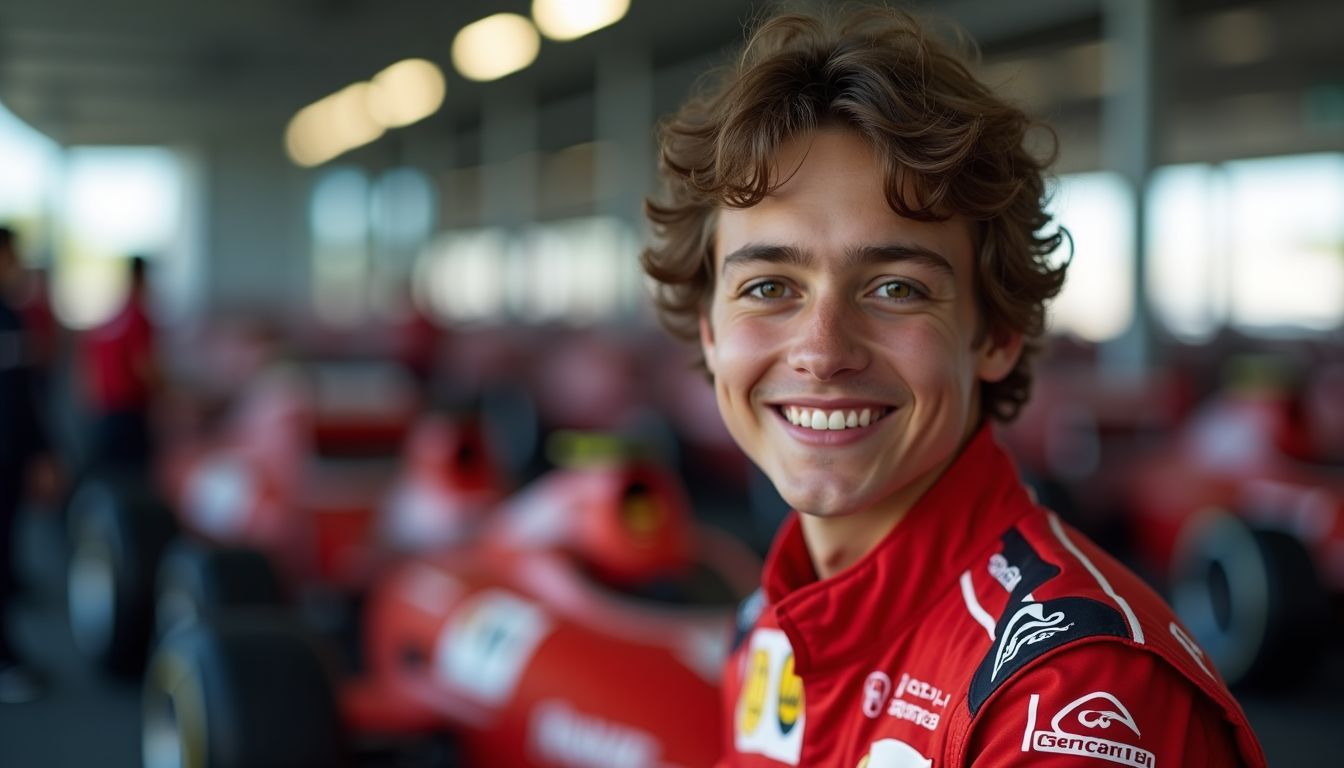
There's something almost poetic about watching a teenager do something that no human being has ever done before. Kimi Antonelli just snagged pole position at the 2026 Chinese Grand Prix, becoming the youngest driver in Formula 1 history to ever claim that top qualifying spot. He's 19. Most 19-year-olds are arguing about who ate their leftovers in the dorm fridge. This kid is breaking decade-old records at one of the most technically demanding sports on the planet.
To understand why this hits differently, you have to appreciate the weight of F1 records. This isn't a sport that hands out history lightly. The record books in Formula 1 are filled with names like Schumacher, Senna, and Hamilton — absolute titans who defined generations of racing. When a teenager chips away at those legacy statistics, it's not just impressive, it's genuinely disruptive. It forces the sport to reckon with the idea that its next era might arrive faster than anyone expected.
There's also a fascinating generational storyline baked into this moment. Antonelli is essentially the torch that Mercedes lit after the Lewis Hamilton era. The pressure on this kid has been immense, almost unfairly so, with comparisons and expectations following him since he was signed as a junior prospect. Pole position in China doesn't just silence critics — it reframes the entire narrative. Suddenly it's not "can Antonelli handle the pressure?" It's "what exactly are the limits of this guy's ceiling?"
The China Grand Prix location adds another layer of intrigue here. The Shanghai circuit returned to the calendar after years away due to the pandemic, and it's been a backdrop for some genuinely iconic F1 moments over the decades. Having a record-breaking qualifying performance happen here feels almost cinematic — like the sport chose a meaningful stage to introduce its next potential superstar. Sports fans are suckers for that kind of storytelling symmetry, and honestly, rightfully so.
What makes youth records in motorsport especially captivating is the sheer physical and mental complexity involved. This isn't a sport where raw athleticism alone carries you. A Formula 1 driver has to manage tire degradation, fuel loads, team radio communications, rival strategies, weather variables, and thousandths-of-a-second margins — all while pulling up to 5G in corners at 180 mph. When someone masters that at 19, it genuinely scrambles your brain a little. The age stops feeling like a fun footnote and starts feeling like an actual phenomenon.
There's also a deeply human "where were you when" quality to witnessing records fall in real time. F1 fans are obsessive historians of the sport. They know lap times, championship margins, and qualifying records the way baseball fans know batting averages from 1987. When a record with the words "youngest ever" attached to it gets broken, those fans feel a collective electricity — because they know they're watching something that will appear in highlight reels and Wikipedia pages for the next fifty years.
Ultimately, Antonelli's pole position resonates because it combines everything people love about sports storytelling: youth defying expectation, history being made in real time, and a genuinely uncertain future suddenly snapping into focus. Whether he converts that pole into a race win and whether this becomes the start of a dynasty or just a dazzling footnote — that's the conversation that keeps fans hooked. Right now though, for one qualifying session in Shanghai, a 19-year-old reminded us exactly why we watch in the first place.