Picture this: you've just reeled in a beautiful catch, you're feeling like the king of the lake, and then you look up — and there's a bald eagle staring at you with the energy of someone who absolutely did not ask for your opinion on who that fish belongs to. This is the exact moment captured in a now-viral clip, and honestly, it hits differently than your typical wildlife footage. There's something almost uncomfortably relatable about it.
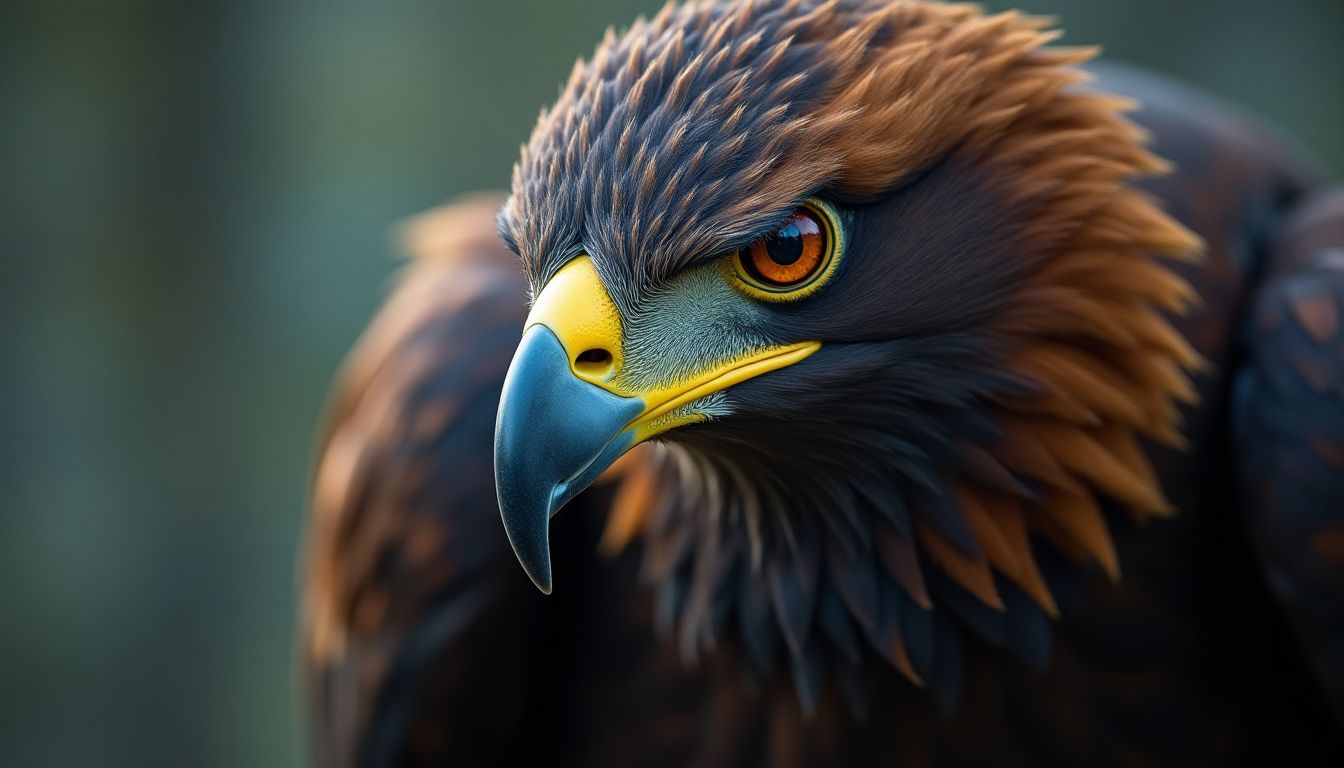
So why does this land so hard with people? Because it's essentially a perfect comedic standoff between human confidence and nature's quiet authority. The eagle isn't attacking, isn't screaming — it's just watching. With that particular brand of patient, ancient judgment that says, "I was here before you, buddy, and I'll be here after." We've all been on the receiving end of a look like that, just usually from a coworker, not a six-foot apex predator with a seven-foot wingspan.
There's also a deeper cultural thread here worth pulling on. In an era where people feel increasingly disconnected from the natural world, these raw, unscripted wildlife encounters feel almost sacred. It's not a nature documentary with a narrator and cinematic scoring — it's just a guy, his fish, and an eagle making direct eye contact and silently renegotiating the terms of ownership. That authenticity is currency right now. People are starved for moments that feel genuinely unfiltered.
The eagle itself is doing a lot of heavy lifting symbolically. In American culture especially, the bald eagle carries this enormous weight of national identity — it's literally on the seal of the country. So when one shows up to casually challenge a fisherman over lunch, there's an almost absurdist humor to it. It's like getting a strongly worded letter from the government about your sandwich. The comedy writes itself, which is exactly why people can't stop sharing it and captioning it with their own interpretations.
What makes this specific moment genuinely unique is the tension it captures without any resolution. The eagle is eyeing the fish. That's it. We don't know what happens next — does it swoop? Does the fisherman hand it over? Does a negotiation occur? That open ending is psychologically irresistible. Our brains are wired to crave closure, so an image or clip that withholds it keeps us mentally engaged far longer than a neat beginning-middle-end story would. It's a cliffhanger wrapped in feathers.
There's also something refreshing about the power dynamic being flipped here. Usually when we talk about humans and wildlife, it's framed around what we're doing to nature — habitat loss, climate change, overfishing. But in this moment, nature is doing something to us. It's reclaiming a little authority in the most nonchalant, unbothered way possible, and people find that deeply satisfying. The eagle doesn't care about your fishing license or your technique. It has its own rules, and frankly, its own claim.
At the end of the day, this story resonates because it packages three things people love in one tidy moment: unexpected humor, genuine wildlife wonder, and a tiny existential reminder that we are guests in a much larger world. The fisherman worked for that catch. The eagle has been hunting since before the concept of "working for something" existed. Who's really in charge here? That quiet philosophical question, delivered via an eagle's side-eye, is exactly the kind of thing that stops you mid-scroll and makes you show your phone to whoever's sitting nearest to you.