
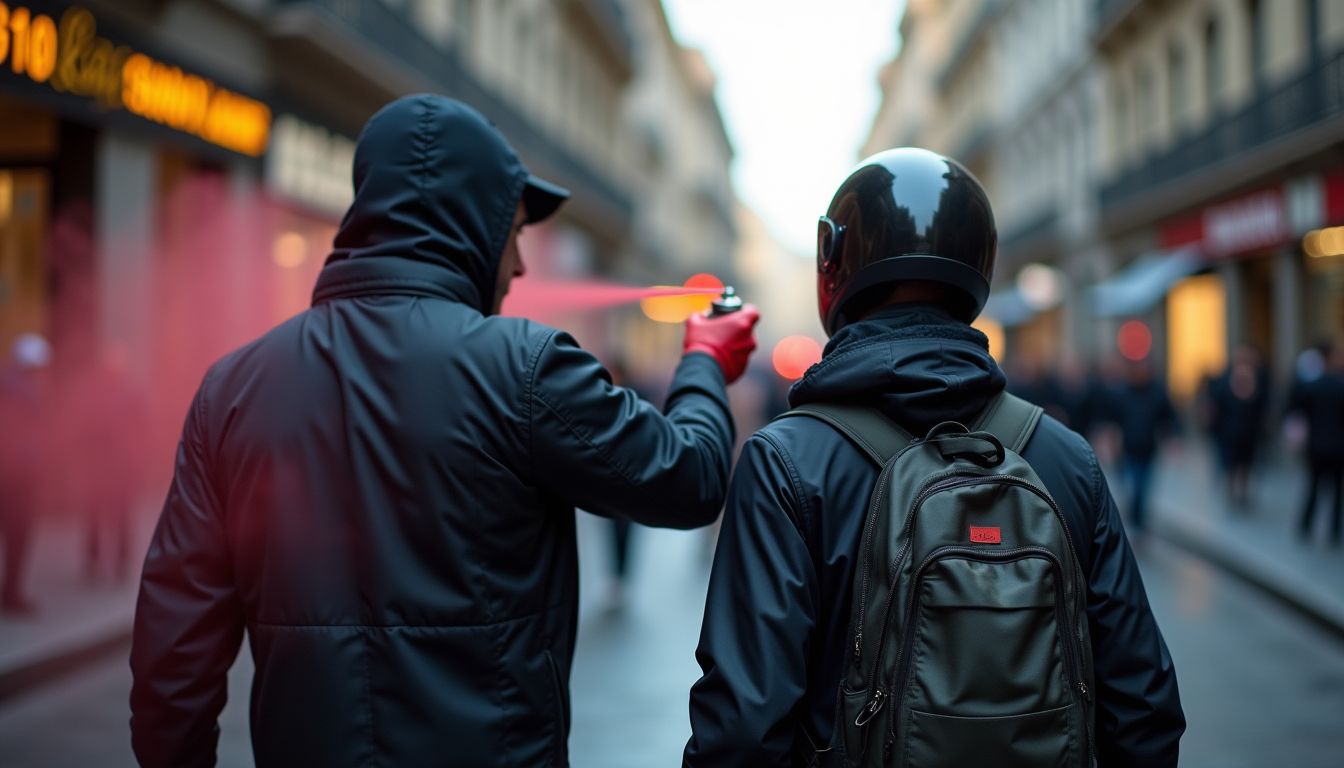
Here's the core reason this hits so hard: it taps directly into our collective frustration with institutional failure. Tourist-heavy cities across Europe have been battling pickpocketing for decades, and despite countless awareness campaigns, police crackdowns, and stern-faced signs in train stations, the problem just... persists. When official systems feel broken or toothless, humans have always invented their own solutions. Spray-painting someone so the entire public can see them is raw, unfiltered, community-driven accountability. It's messy, it's imperfect, and it's absolutely fascinating.
There's also something deeply primal about the concept of public marking. Humans have used visible social shame as a deterrent for literally thousands of years — think scarlet letters, public stocks, and town squares built specifically for humiliation. We like to think we've evolved past all that, sitting comfortably in our progressive, due-process-respecting societies. But when you see this story, you feel that ancient part of your brain light up with a very specific satisfaction. It's uncomfortable to admit, but that tension between our civilized values and our visceral instincts is exactly what makes the story so compelling to discuss.
The Milan context matters enormously here too. This isn't some remote backwater — this is a world capital of fashion, culture, and sophistication. The contrast between that glossy Milanese aesthetic and someone stumbling around drenched in spray paint is almost poetic. It also speaks to a growing tension across major European tourist destinations where locals feel increasingly invaded and unprotected. Venice, Barcelona, Rome — residents in these cities are quietly (and sometimes loudly) at their breaking point with tourism-related crime and a sense that authorities prioritize the economy over community safety.
What makes this moment particularly unique is that we're living through a global reckoning with trust in institutions. From policing to politics to tech platforms, there's a widespread, cross-cultural skepticism about whether "the system" actually works for ordinary people. Vigilante justice stories — even small, spray-paint-sized ones — scratch an itch that a lot of people are feeling right now. It's not necessarily that people think this is the right answer. It's that the question itself feels urgent and real: what do you do when the rules aren't protecting you?
Of course, there's a darker conversation lurking underneath all of this. Vigilante justice, however satisfying it looks in a funny viral moment, can go very wrong very fast. History has plenty of examples of "community accountability" that targeted the wrong people or spiraled into mob dynamics. The spray paint story feels harmless enough — almost slapstick — but it's worth sitting with the fact that it represents a genuine erosion of faith in legal systems to handle even everyday crime. The laughs are real, but so is the frustration behind them.
Ultimately, this story works because it's equal parts funny, relatable, and thought-provoking. It gives people permission to laugh at something while simultaneously processing some very real anxieties about justice, safety, and social order. That's a rare combination, and it's precisely why a tale about some spray-painted pickpockets in an Italian city manages to feel like it's saying something much bigger about where we are right now as a society. Milan didn't just catch a thief — they accidentally started a conversation.