
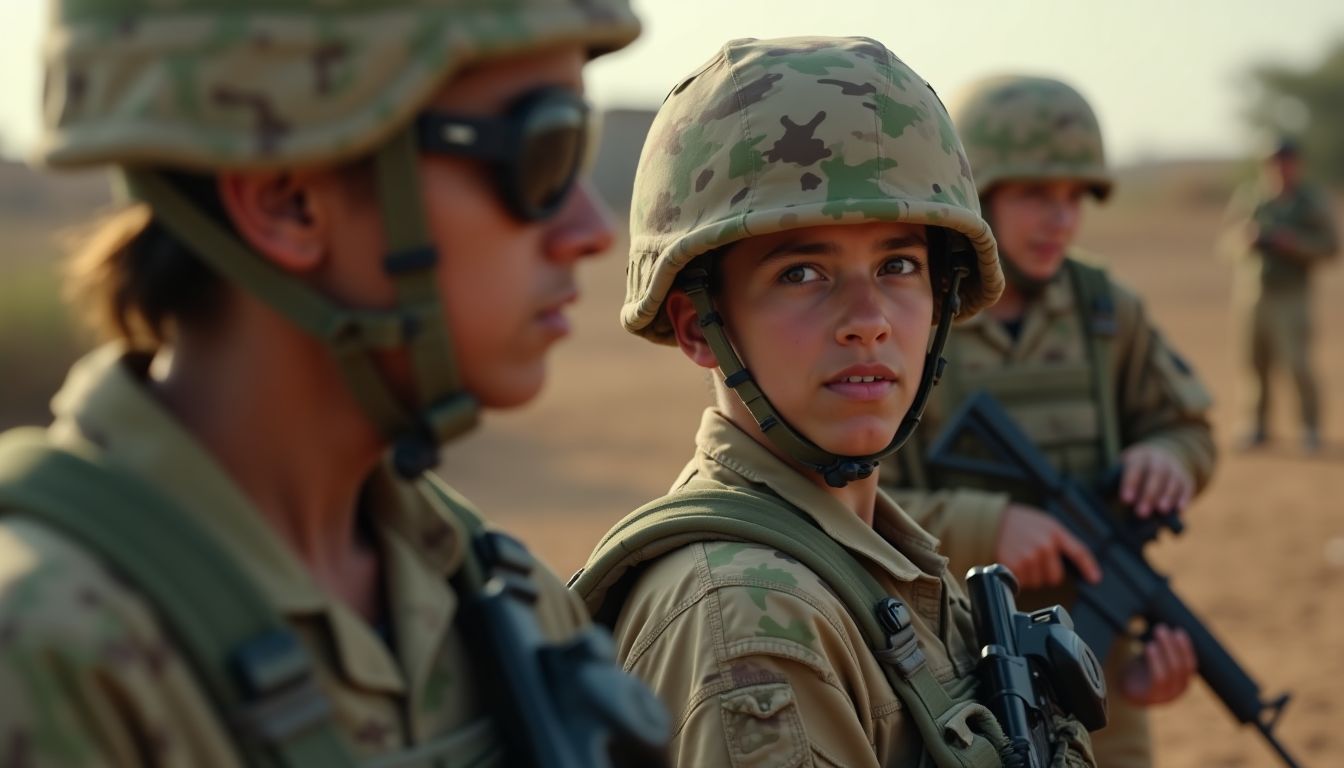
There's something about a military aircraft crash that stops people cold, and this one is no exception. Six airmen — all confirmed dead after their refueling aircraft went down in Iraq — represents the kind of news that lands differently than your average headline. It's not abstract. It's not political spin. It's six real people who woke up, did their jobs, and didn't come home. That kind of stark, human reality has a way of cutting through the noise.
The Iraq angle adds a whole layer of complexity that people can't quite shake. For a generation that came of age during the post-9/11 wars, Iraq is not just a place on a map — it's a word loaded with twenty-plus years of history, sacrifice, debate, and unresolved emotion. The U.S. has officially ended combat operations there multiple times, yet American military personnel are still dying there. That contradiction alone is enough to make people stop scrolling and start asking questions.
Refueling aircraft are also one of those military assets that most civilians barely know exist, which makes this story oddly educational in the most tragic way. These aren't fighter pilots or special operators from the movies — these are the logistical backbone of modern air power, the people keeping other missions alive mid-flight. When the support structure fails, it forces people to reckon with just how many moving parts — and how many human lives — are quietly powering military operations that barely make the news on a good day.
There's also the numbers factor here, and it matters. Six deaths in a single incident is significant. Military losses in the post-withdrawal era have often come one or two at a time, enough to grieve but sometimes not enough to break through the news cycle. Six people dying together in one crash has a weight to it that demands attention in a way that's harder to minimize or scroll past. It forces collective acknowledgment rather than quiet mourning in the back pages.
The timing matters too. Public awareness of U.S. military activity in the Middle East has ebbed and flowed dramatically over recent years, and most people have mentally "moved on" from Iraq in ways that this story forcibly challenges. When something like this happens, it's a jarring reminder that "moved on" was perhaps more of a media narrative than a geopolitical reality. Servicemembers are still there. Risks are still real. The wars we declared over have a stubborn habit of proving otherwise.
What makes this moment genuinely resonate is the combination of grief, confusion, and a sense of unfinished business that this story stirs up. People aren't just mourning six airmen — they're wrestling with bigger questions about why, what for, and what's actually happening in places the news cameras largely abandoned. Those are uncomfortable questions without clean answers, and uncomfortable questions without clean answers are exactly the kind of thing that keeps a story alive in the public consciousness long after the initial headline fades.
At the end of the day, this story is capturing attention because it's personal, it's surprising, and it pokes at something unresolved in the American psyche about military commitment overseas. Six families just got the worst phone call imaginable. That's not a talking point — that's a gut punch. And sometimes the stories that spread the fastest are simply the ones that remind us, despite everything else going on, that human lives are still on the line in places most of us stopped thinking about a long time ago.