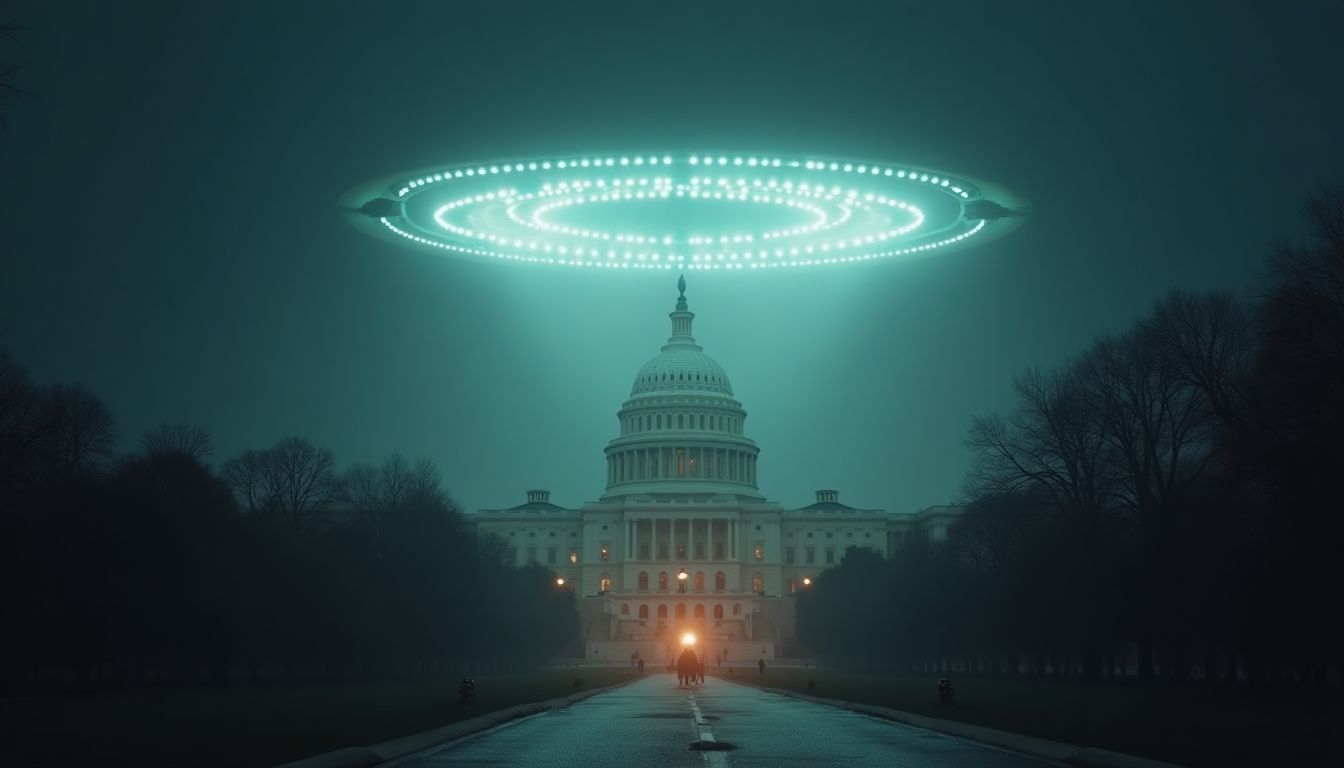

Okay, so picture this. You sit down after a long day, flip between TikTok, catch something on HBO, let the kids watch Nickelodeon, and then wind down with a late-night Comedy Central show. Feels like a diverse media diet, right? Well, Bernie Sanders just dropped a list that might make you choke on your popcorn. If current deals go through, one single family — the Ellisons, firmly in the Trump orbit — could have their fingerprints on virtually every screen in your house. That's not a media landscape. That's a monopoly with a remote control.
The reason this hits so hard right now is timing. We're living in a moment where trust in media is already hanging by a thread, and people are acutely aware that whoever controls the narrative controls the conversation. When you can rattle off twenty-plus household brand names — from Cartoon Network to Warner Bros. to BET to Paramount — and trace them back to one ideologically aligned family, the abstract fear of "media consolidation" suddenly becomes very, very concrete. It stops being a wonky policy debate and starts feeling like something happening to you personally.
Bernie Sanders as the messenger here is also doing a lot of work. Love him or find him repetitive, the guy has spent decades being the canary in the coal mine on wealth concentration, and history keeps proving him uncomfortably right. When he uses the word "oligarchy," it doesn't feel like hyperbole anymore — it feels like a diagnosis. And people across the political spectrum, not just progressive die-hards, are starting to feel that sting. The frustration with billionaire power isn't a left-wing thing right now; it's a kitchen table thing.
There's also something uniquely unsettling about the cultural institutions on that list. This isn't just financial news about stock portfolios. We're talking about the studios and networks that shaped childhoods, that told us stories about who we are and what matters. DC Studios. MTV. Miramax. These names carry emotional weight. When people feel like the storytellers of their culture are being quietly bought up and potentially steered by political interests, it triggers something deeper than economic anxiety — it feels like a loss of something communal and shared.
The TikTok angle adds another layer of wild irony that's genuinely hard to ignore. TikTok has been at the center of a massive political firestorm about foreign influence over American media consumption. Congress held hearings. There were national security freakouts. And now the proposed solution involves handing it to a family with deep ties to the current administration? The whiplash from "protect Americans from foreign media control" to "give it to our political allies" is the kind of contradiction that makes people stop scrolling and start screaming into the void.
What makes this moment culturally significant is that it crystallizes a growing suspicion that the rules of democracy and free markets apply differently depending on who you know. The consolidation of media power isn't new — Rupert Murdoch built an empire, after all — but the speed and the political alignment of this particular moment feel different. People are pattern-matching in real time, connecting dots between political power, media control, and their own ability to access information that isn't filtered through a single ideological lens. That's a legitimately alarming thing to sit with over your morning coffee.
At the end of the day, this story is viral because it makes the invisible visible. Most people don't think about who owns what they watch — they just watch. But Bernie's list works like a magic trick in reverse: instead of making something disappear, it suddenly makes something enormous appear right in front of you. And once you see it, it's genuinely hard to unsee. That's the kind of moment that sticks, gets shared, and quietly shifts how people think about power in America.