
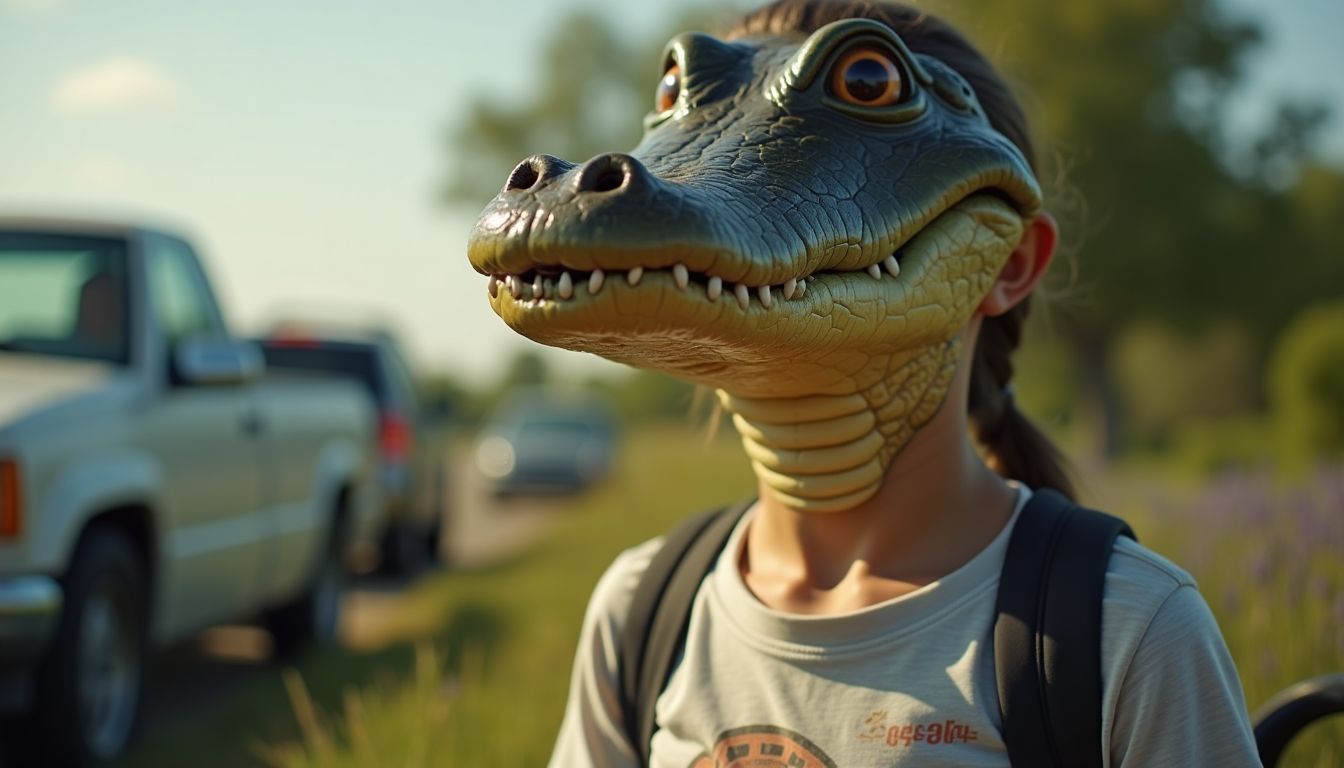
There's something quietly magnetic about a comic strip called "The Tree on the Corner" and its storyline "Gator Days" that's pulling people in right now. On the surface, it sounds almost absurdly simple — a tree, a corner, apparently some gators involved. But that's exactly the point. In a media landscape drowning in complexity and noise, something unpretentious and charming cuts through like a knife through warm butter.
Comics as a format are having a genuine cultural moment. Webcomics in particular have become a kind of emotional refuge for people who want storytelling without the commitment of a Netflix series or the anxiety spiral of reading the news. "The Tree on the Corner" fits squarely into that tradition of slice-of-life storytelling that feels grounded, neighborhood-level intimate. When a comic is named after something as humble as a specific tree on a specific corner, it's essentially promising you a story that lives at human scale — and right now, human scale feels incredibly rare and precious.
The "Gator Days" angle is where things get genuinely interesting from a cultural resonance standpoint. Gators carry this wonderfully absurd energy — they're prehistoric, slightly ridiculous, and yet completely real. There's a long tradition in American storytelling, especially Southern-flavored stuff, of treating the bizarre as completely mundane. A gator showing up in your neighborhood narrative isn't terrifying, it's just... Tuesday. That blend of the surreal coexisting peacefully with the everyday is something people are deeply hungry for right now, because honestly, real life has started to feel exactly that strange.
What makes this moment unique is the way the comic's engagement reflects a broader yearning for community storytelling. A tree on a corner is inherently communal — it belongs to a neighborhood, to passersby, to kids who climb it and old folks who sit under it. By anchoring a story there, the creator is tapping into something we've collectively lost and desperately miss: the feeling of a shared local world where everyone knows the same landmarks. In an era of increasing geographic and social fragmentation, that corner tree becomes almost symbolic of a place where stories still happen organically.
The engagement numbers here aren't just people clicking and moving on — this is the kind of content that makes people stop and tag a friend, because it triggers that specific feeling of "this is exactly us" or "this is exactly the vibe I needed today." Comics that achieve this are doing something genuinely sophisticated underneath their casual appearance. They're creating a permission slip to feel something uncomplicated and warm without any ironic distance required.
The creator behind "The Tree on the Corner" is clearly tapping into a very specific and very real emotional frequency. It's the frequency of noticing small things, of finding the mythological in the mundane, of believing that your corner of the world is worth telling stories about. That's not a small thing to pull off. In fact, it might be one of the harder creative feats to manage — making something feel both utterly specific and universally relatable at the same time. When it works, and clearly it's working here, it spreads not because of algorithms or trends, but because people recognize something true in it and want to pass that recognition along like a gift.