Let's be real for a second — we've become somewhat desensitized to geopolitical threats. They often feel distant, abstract, like something happening in a grainy news ticker at the bottom of your screen. But when the FBI drops a warning that Iran allegedly plotted drone attacks on California soil as retaliation for ongoing Middle East conflict, that changes the entire psychological equation. Suddenly, the war isn't "over there." It's potentially buzzing over your neighborhood skies.
The timing here is absolutely critical. We're in a moment where the Middle East conflict has been dominating headlines for months, and public attention has been oscillating between outrage, exhaustion, and anxious anticipation. People have been asking the uncomfortable question — what does this mean for us, here, at home? This FBI alert essentially answers that question in the most unsettling way possible. It confirms that yes, the ripple effects of international conflict can and do wash up on American shores.
California specifically is doing a lot of heavy lifting in this story. This isn't a warning about some remote military installation in the desert. California is America's most populous state, home to Hollywood, Silicon Valley, major ports, and tens of millions of civilians. It's culturally loaded real estate. When you attach "California" to a threat story, you're not just talking about geography — you're talking about an attack on American identity and economic infrastructure. That's a gut punch that lands differently than a generic threat warning.
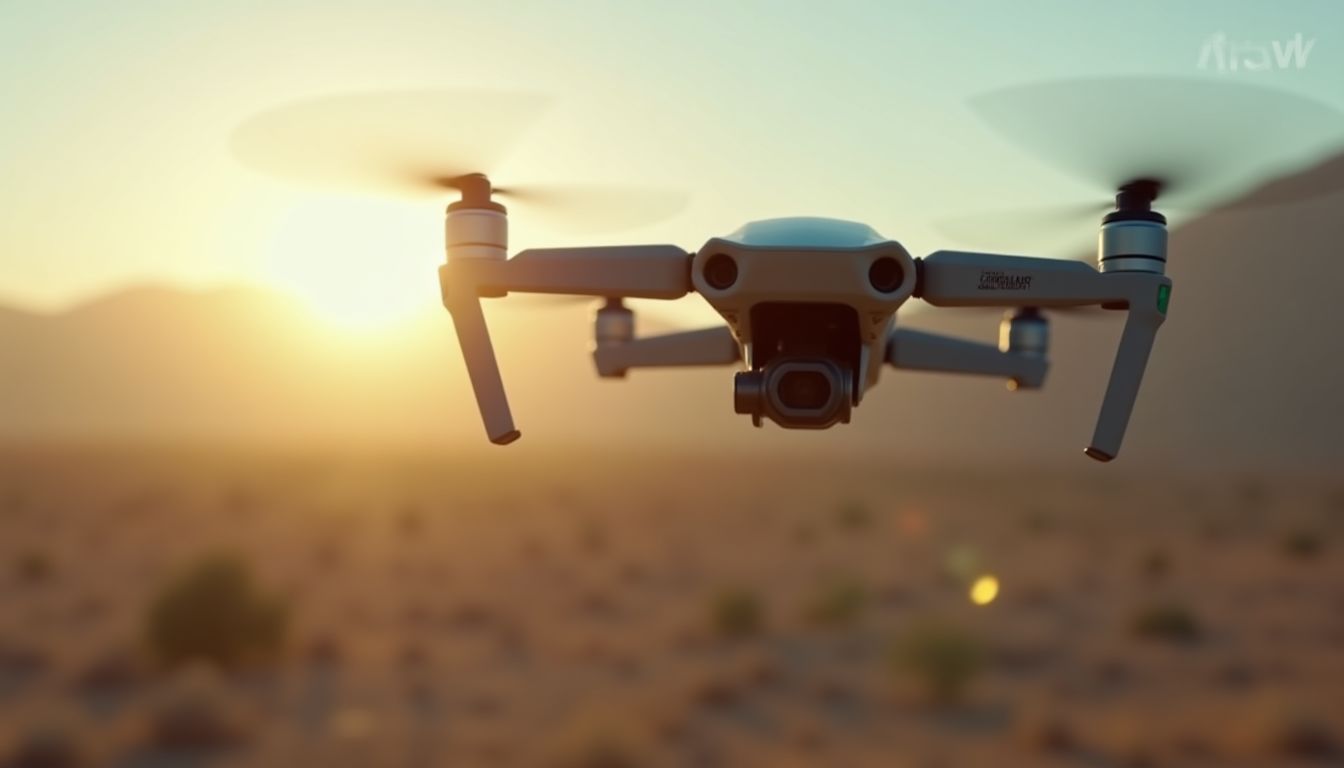
Then there's the drone angle, which is genuinely fascinating from a cultural standpoint. Drones have quietly become one of the most psychologically charged technologies of our era. They're in our parks taking vacation photos and they're on battlefields delivering lethal payloads. That dual identity creates a uniquely modern anxiety — the same technology that feels benign and accessible is being discussed as a weapon targeting American civilians. That cognitive dissonance is deeply unsettling and makes people stop scrolling immediately.
What makes this moment particularly unique is the credibility stamp. This isn't a think-tank speculation piece or an anonymous source thriller. This is the FBI — America's domestic intelligence agency — issuing a formal alert. That institutional weight transforms the story from "concerning headline" to "this is officially real." People instinctively calibrate their fear response based on who's sounding the alarm, and when it's the FBI, the alarm sounds a lot louder in your chest.
There's also a deeper social conversation happening beneath the surface here. Americans are increasingly wrestling with the consequences of their government's foreign policy decisions in very personal terms. The idea that geopolitical choices made in Washington could result in drone threats over Los Angeles or San Francisco forces a reckoning that many people find deeply uncomfortable. It bridges the gap between abstract policy debate and visceral personal safety — and that bridge is what drives genuine, sustained public engagement.
At the end of the day, this story resonates because it hits every major trigger point simultaneously: national security, domestic vulnerability, advanced technology, institutional credibility, and the very relatable fear of conflict coming home. It's not just a news story — it's a mirror reflecting some of our deepest anxieties about living in an increasingly interconnected and volatile world. And honestly? That's exactly why you can't look away from it.