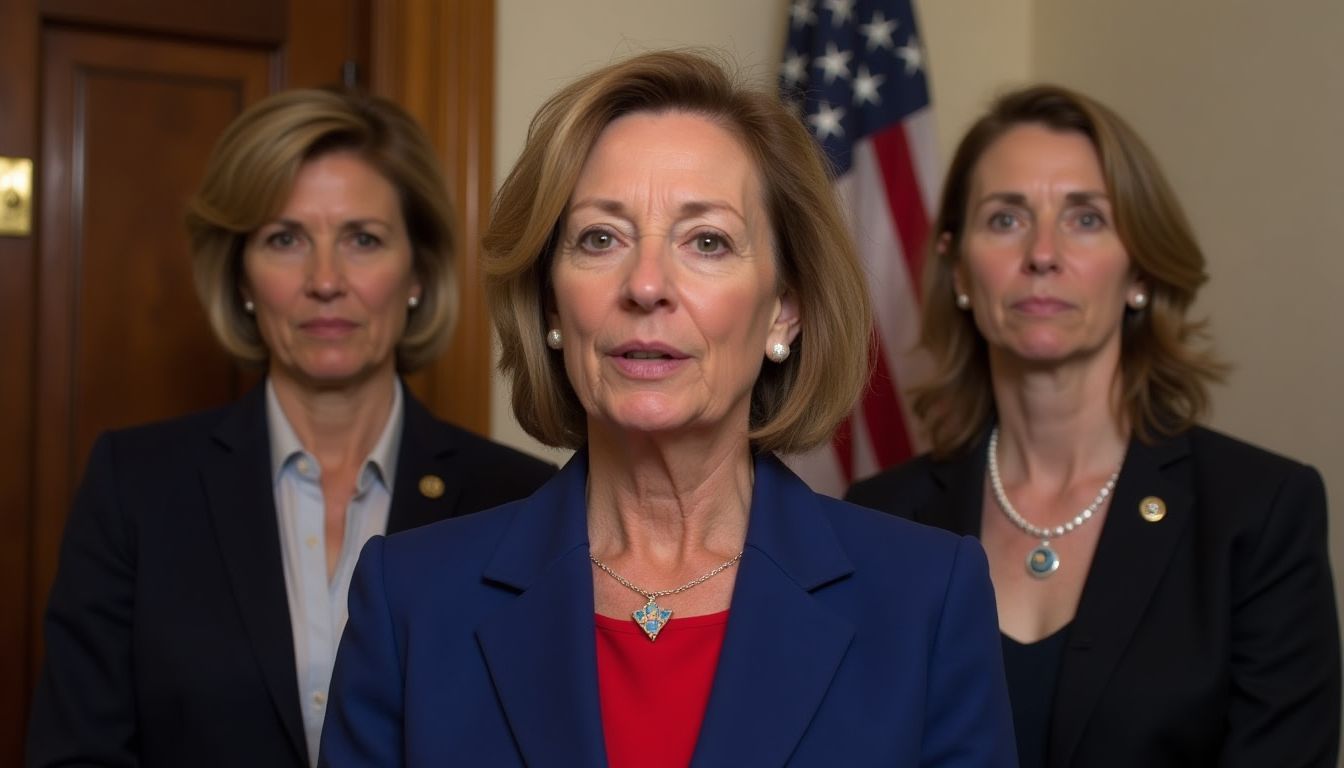
Republican women candidates are mounting campaigns in competitive House races across the country, aiming to challenge the Democratic Party's historically strong performance with female voters in what could be pivotal contests for congressional control.
The emerging group of GOP women candidates includes Laurie Bu, who spoke with Fox News Digital about the strategy behind their campaigns. These candidates are focusing their efforts on races that political observers consider key to determining which party will control the House of Representatives following the November elections.
Challenging Traditional Voting Patterns
The Republican women's strategy centers on the argument that Democrats cannot automatically assume female voters will support their candidates based solely on gender or party affiliation. This approach represents an effort to chip away at what has been a consistent Democratic advantage among women voters in recent election cycles.
Historically, female voters have favored Democratic candidates in congressional and presidential elections by significant margins. This gender gap has been a crucial component of Democratic electoral strategy, particularly in suburban districts that often determine control of the House.
House Control Stakes
The targeted races are considered competitive, meaning they could swing to either party depending on voter turnout and candidate performance. Control of the House of Representatives currently hangs in the balance, with both parties viewing women candidates as potentially crucial to their success in November.
The Republican women's campaigns come as both parties recognize the importance of appealing to female voters, who typically represent a majority of the electorate in general elections. The GOP candidates' messaging appears designed to present an alternative to the traditional Democratic appeal to women voters.
These House races will ultimately help determine whether Republicans can maintain or expand their presence in Congress, or whether Democrats can reclaim seats lost in previous election cycles.