
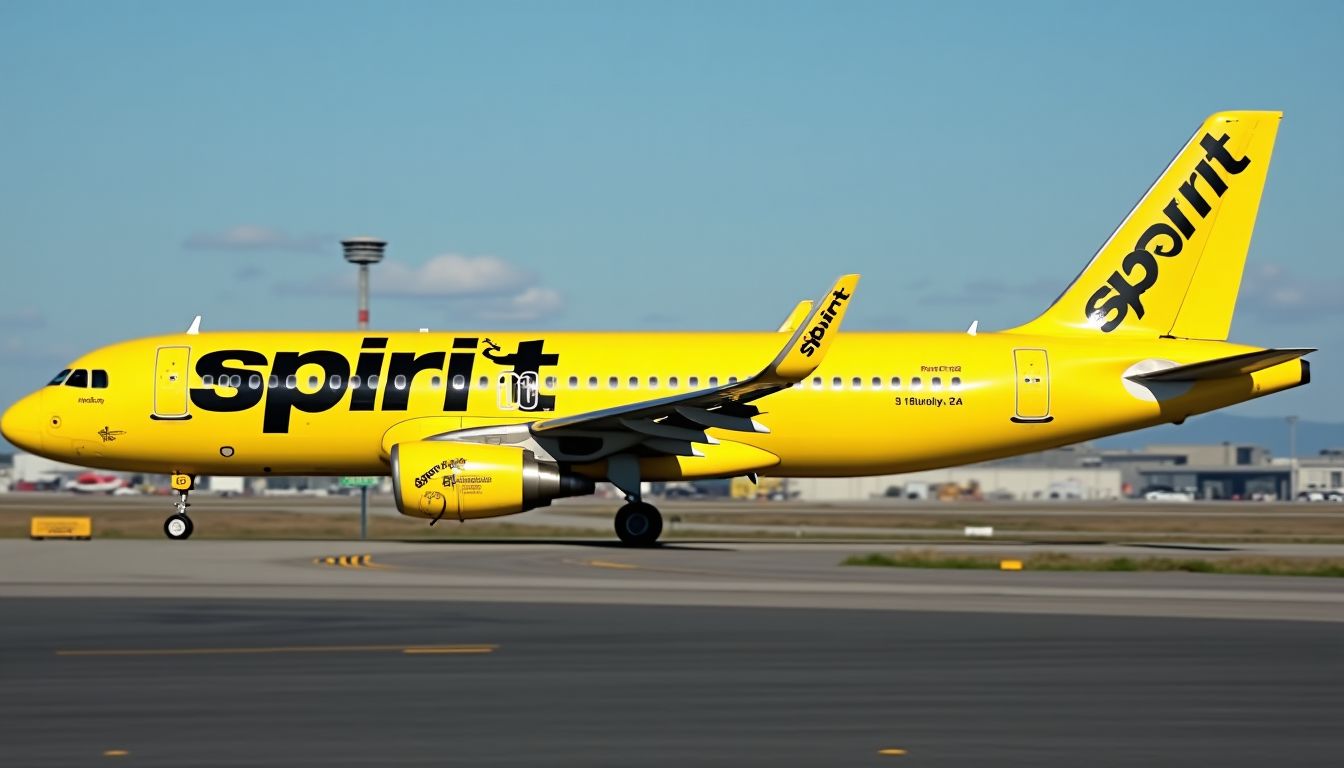
Spirit Airlines is shutting down following the collapse of bailout talks that had been aimed at keeping the budget carrier operational.
The closure of Spirit Airlines represents the end of one of the major ultra-low-cost carriers in the U.S. aviation market. Spirit has been known for its no-frills approach to air travel, offering basic transportation at reduced fares while charging additional fees for services like seat selection, carry-on bags, and refreshments.
Background on Spirit Airlines
Spirit Airlines has operated as a major ultra-low-cost carrier, serving destinations across the United States, Latin America, and the Caribbean. The airline built its business model around offering stripped-down base fares while generating revenue through ancillary fees for additional services.
The carrier has faced various financial pressures that are common in the airline industry, including fluctuating fuel costs, regulatory requirements, and competitive market conditions.
Impact of the Shutdown
The shutdown will affect Spirit's route network and passengers who had booked future travel with the airline. The closure also impacts the broader ultra-low-cost carrier segment of the aviation market.
When airlines cease operations, passengers typically need to seek alternative transportation arrangements, and the airline's employees face job displacement.
The failure of bailout talks indicates that financial solutions to keep the airline operating were not successfully negotiated between the relevant parties.