
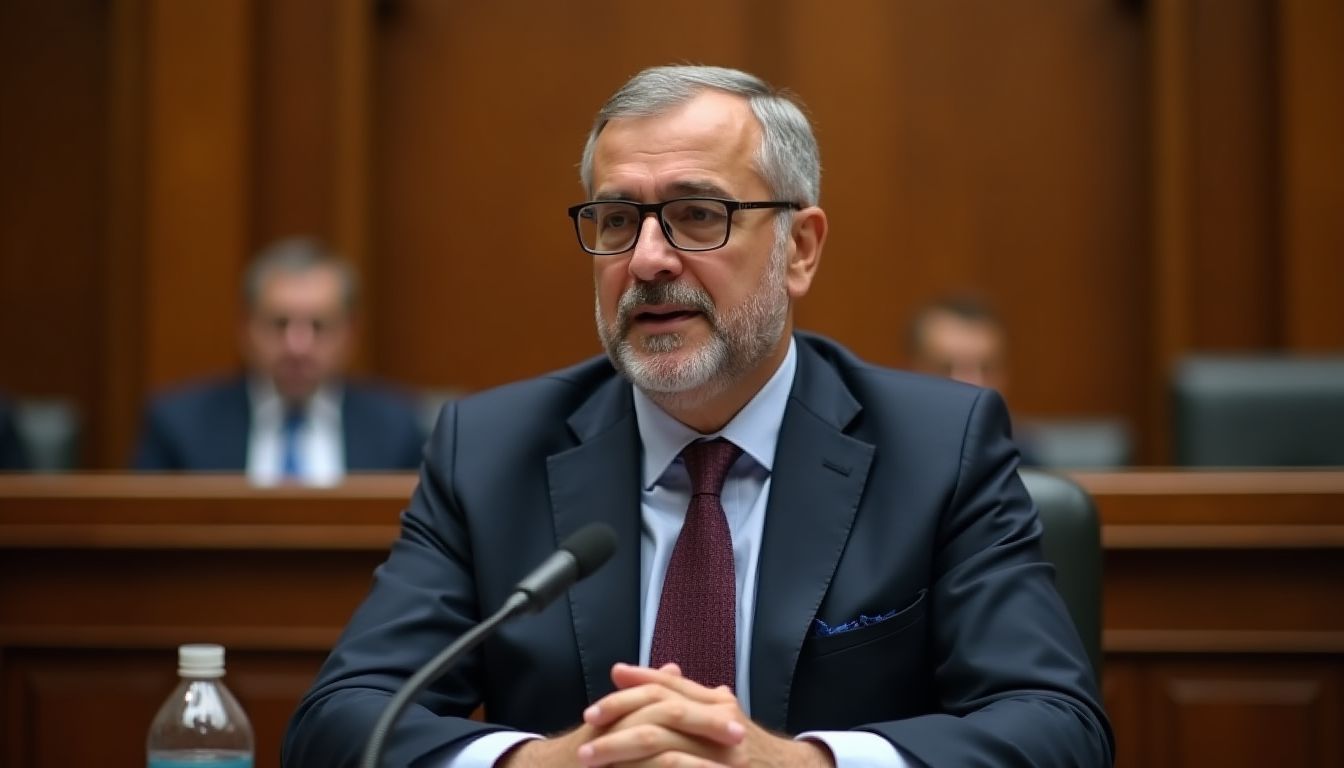
The Iraqi parliament elected Nizar Amedi as the country's new president on Saturday, according to Aletihad Newspaper.
The presidential election follows parliamentary elections that were held in November, though the specific details of the voting process and margin of victory were not immediately available.
Iraq's Presidential System
Under Iraq's political system established after 2003, the president serves as the head of state in a largely ceremonial role, while executive power rests primarily with the prime minister and cabinet. The president is elected by the parliament rather than through direct popular vote.
The presidential position has traditionally been held by a Kurdish politician as part of Iraq's informal power-sharing arrangement between the country's major ethnic and sectarian groups. This system typically sees the presidency go to a Kurd, the prime ministership to a Shia Arab, and the parliamentary speaker position to a Sunni Arab.
Parliamentary Elections Context
Amedi's election comes following Iraq's parliamentary elections in November, which determine the composition of the 329-seat Council of Representatives. The parliament is responsible for electing both the president and confirming the prime minister.
The new president will now be tasked with the largely ceremonial duties of the office, including representing Iraq at official state functions and signing legislation passed by parliament into law.