
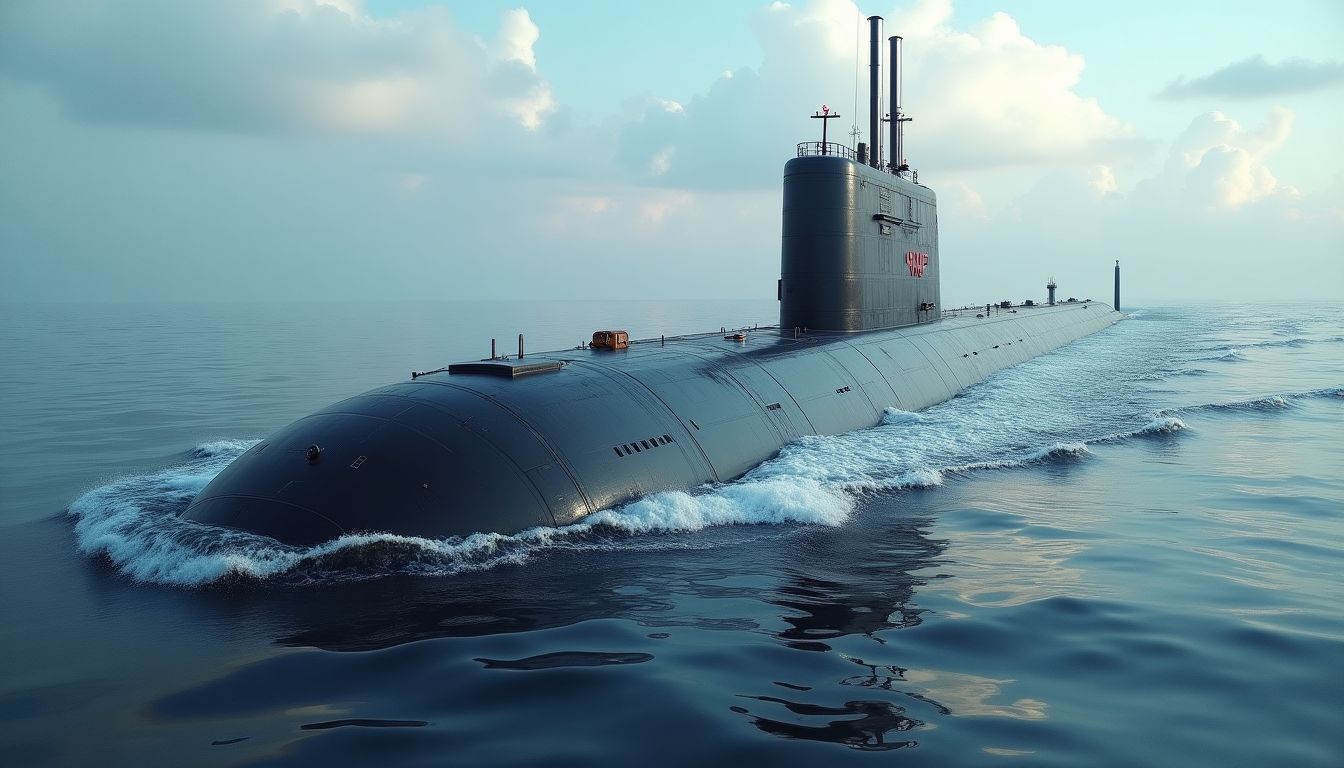
The US Navy has officially approved a new submarine rescue diving and recompression system after it successfully completed a 2,000-foot deep-sea certification test, marking a key advancement in the service's emergency response capabilities.
The system underwent rigorous testing at depths of 2,000 feet below the surface before receiving Navy clearance. Submarine rescue systems are critical components of naval operations, designed to evacuate personnel from disabled submarines in emergency situations.
Submarine Rescue Operations
Deep-sea rescue operations represent some of the most technically challenging missions in naval operations. The ability to operate at 2,000-foot depths significantly expands the Navy's rescue capabilities, as many submarines operate at substantial depths during routine missions.
Submarine rescue diving and recompression systems combine multiple technologies to safely extract personnel from submarines that may be disabled on the ocean floor. These systems must withstand extreme water pressure while maintaining life support capabilities for both rescue operators and evacuated submarine crew members.
Testing and Certification Process
The Navy's approval followed completion of the deep-sea certification test, which validated the system's ability to function reliably under the extreme conditions present at 2,000-foot depths. At this depth, water pressure exceeds 60 times normal atmospheric pressure, creating substantial engineering challenges for rescue equipment.
The certification process ensures that rescue systems meet stringent safety and operational standards required for potential life-or-death missions involving disabled submarines and their crews.
The newly approved system joins the Navy's existing fleet of rescue capabilities, enhancing the service's ability to respond to submarine emergencies across a wider range of ocean depths and operational scenarios.