Trump Revives Trade War Strategy Hours After Inauguration
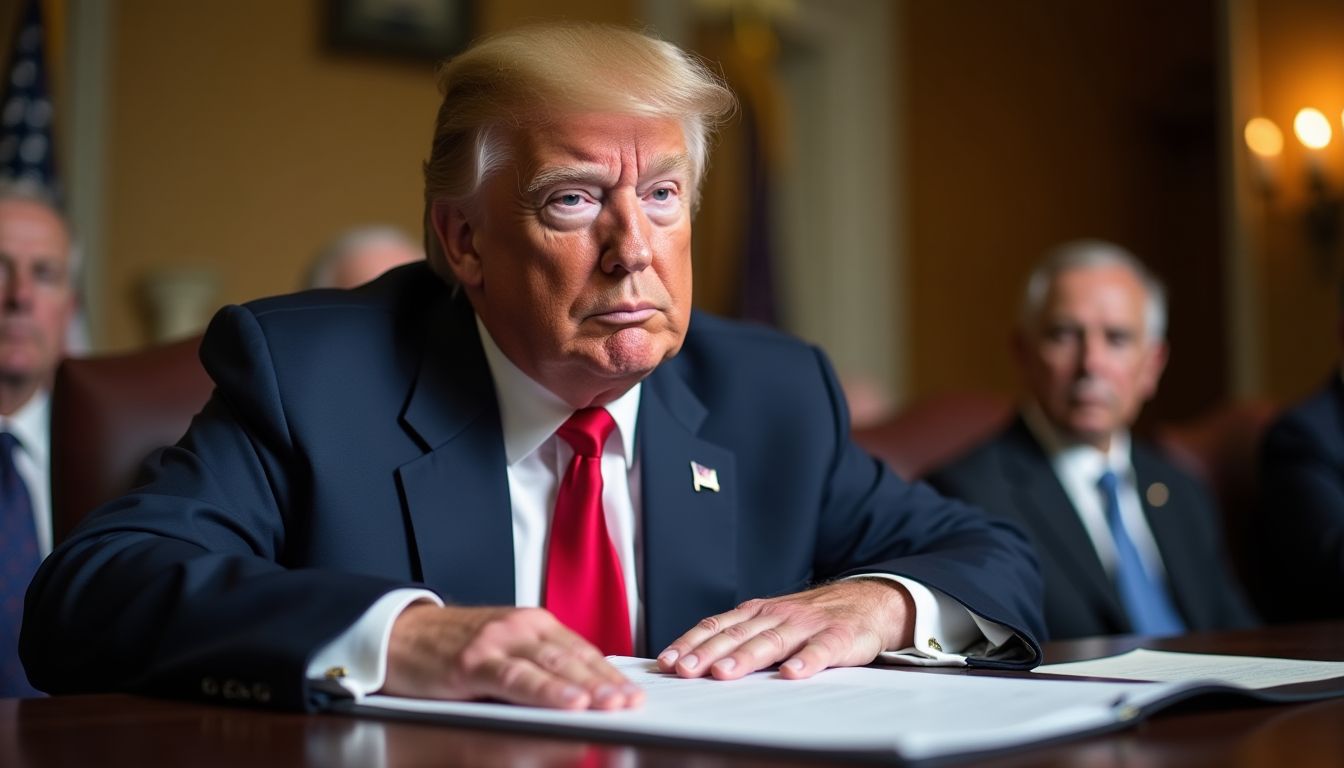
President Donald Trump wasted no time reigniting his trade war strategy, signing a comprehensive tariff executive order within hours of taking the oath of office for his second term. The sweeping directive grants the president unprecedented authority to impose tariffs ranging from 10% to 60% on goods from virtually every major U.S. trading partner, including allies like Canada, Mexico, and European Union nations.
Executive Order Details Reveal Broad Scope
The 47-page executive order, titled "Restoring American Economic Sovereignty," specifically targets China with potential tariffs up to 60%, while threatening 25% duties on Mexican and Canadian imports despite the existing USMCA trade agreement. European goods could face 20% tariffs, with the order citing "unfair trade practices" and "national security concerns" as justification.
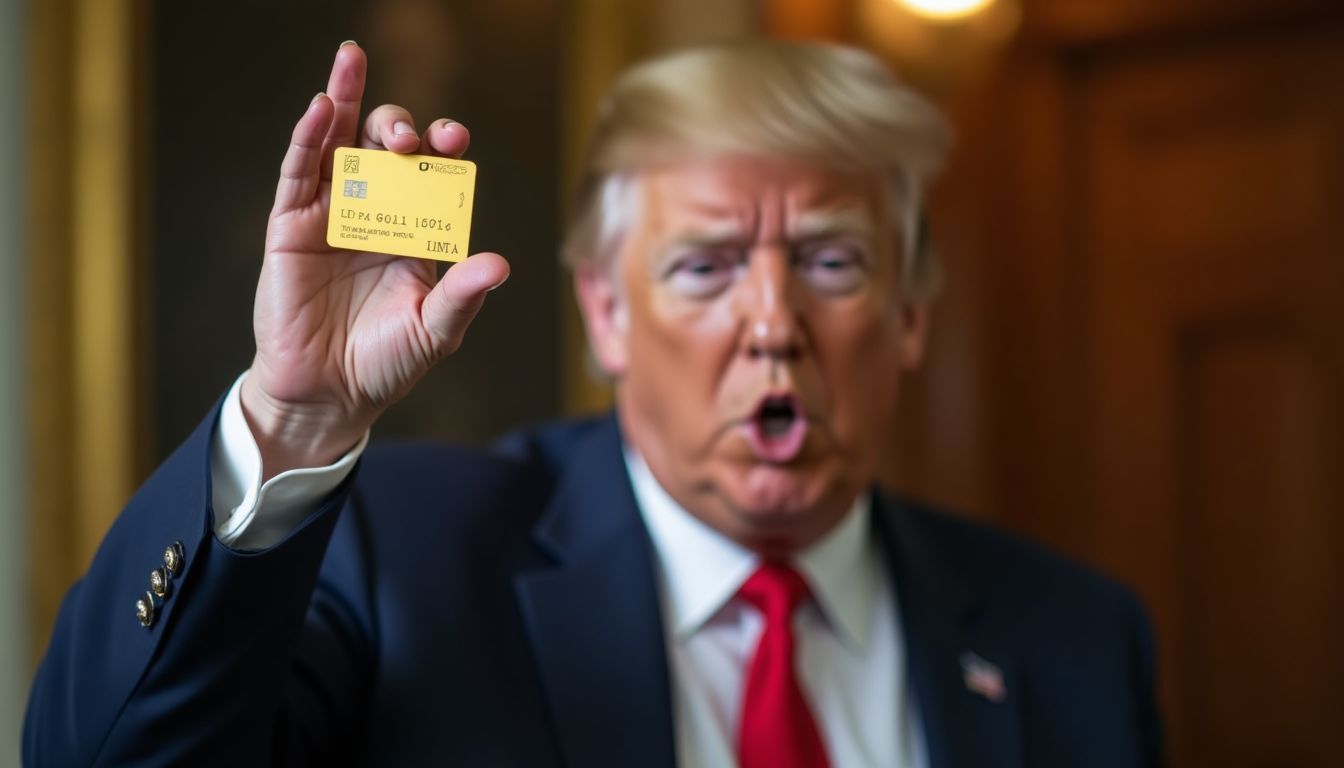
"We're going to bring manufacturing back to America like never before," Trump declared during the signing ceremony, surrounded by steel workers and union representatives. "These countries have been ripping us off for decades, and that ends today."
Swift Legal and Political Backlash Emerges
Within six hours of the signing, a coalition of 23 state attorneys general, led by California's Rob Bonta, filed a federal lawsuit challenging the order's constitutionality. The lawsuit argues that Congress, not the executive branch, holds constitutional authority over trade regulation.
"This executive overreach threatens to devastate American consumers and businesses," Bonta said in a statement. "We're seeing grocery prices that could spike 15-30% overnight if these tariffs take effect."
The legal challenge gained unexpected support from several Republican senators, including Susan Collins of Maine and Mitt Romney of Utah, who questioned the order's broad scope during an emergency Senate session.
Economic Implications Send Markets Tumbling
Financial markets reacted swiftly to the news, with the Dow Jones dropping 847 points in after-hours trading. The dollar strengthened against major currencies, while commodity futures spiked as traders anticipated supply chain disruptions.
Walmart CEO Doug McMillon warned that the retailer might need to raise prices on thousands of products if the tariffs proceed. "A 25% tariff on Mexican goods alone would affect 40% of our fresh produce section," McMillon stated in an emergency investor call.
The National Retail Federation projected that American families could face an additional $2,100 in annual costs if all proposed tariffs are implemented, with lower-income households bearing a disproportionate burden.
International Partners Threaten Retaliation
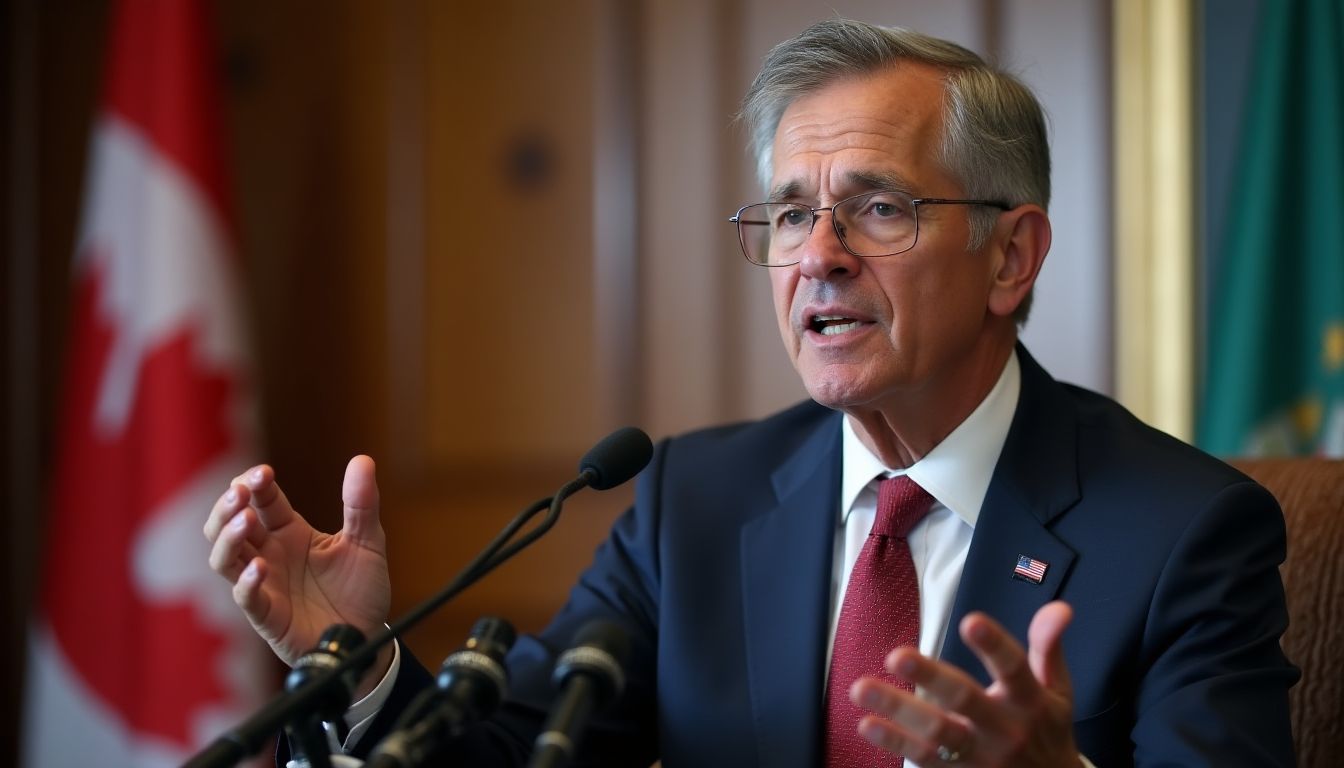
Canadian Prime Minister Justin Trudeau called an emergency cabinet meeting, with sources indicating potential retaliatory measures against U.S. energy imports. Mexico's President Claudia Sheinbaum announced plans to invoke USMCA dispute resolution mechanisms.
European Commission President Ursula von der Leyen issued a strongly worded statement: "The EU will not hesitate to defend our economic interests and respond proportionally to any unjustified trade measures."
Implementation Timeline Creates Uncertainty
The executive order establishes a 30-day review period before tariffs take effect, during which the Commerce Department must conduct "national security assessments" for each targeted country. However, legal experts predict court injunctions could delay implementation indefinitely.
Trade analyst Chad Brown from the Peterson Institute for International Economics called the move "economically reckless," noting that similar tariff policies during Trump's first term cost the U.S. economy an estimated 245,000 jobs between 2018 and 2020.
As the legal battle unfolds, businesses across America are scrambling to assess potential impacts, with many already considering price increases and supply chain adjustments in anticipation of the trade conflict ahead.