Revolutionary Medical Breakthrough Changes Everything We Know About Death
In a stunning development that could rewrite medical textbooks, a team of Taiwanese scientists at National Taiwan University Hospital (NTUH) has achieved what many considered impossible: successfully bringing dead human heart cells back to life through advanced regenerative medicine.
The Historic Achievement
Led by Dr. Chen Wei-Ming, the research team announced on Tuesday that they had successfully regenerated completely dead cardiac tissue from a 45-year-old heart attack patient using a proprietary combination of induced pluripotent stem cells (iPSCs) and bioengineering techniques. The patient, identified only as "Mr. Liu," had suffered massive cardiac arrest and was declared clinically dead for 8 minutes before being revived.
"What we witnessed defied everything we understood about cellular death," said Dr. Chen during a press conference at NTUH. "We were able to regenerate 85% of the damaged tissue within 72 hours, essentially bringing dead cells back to functional life."
Groundbreaking Technology Behind the Miracle
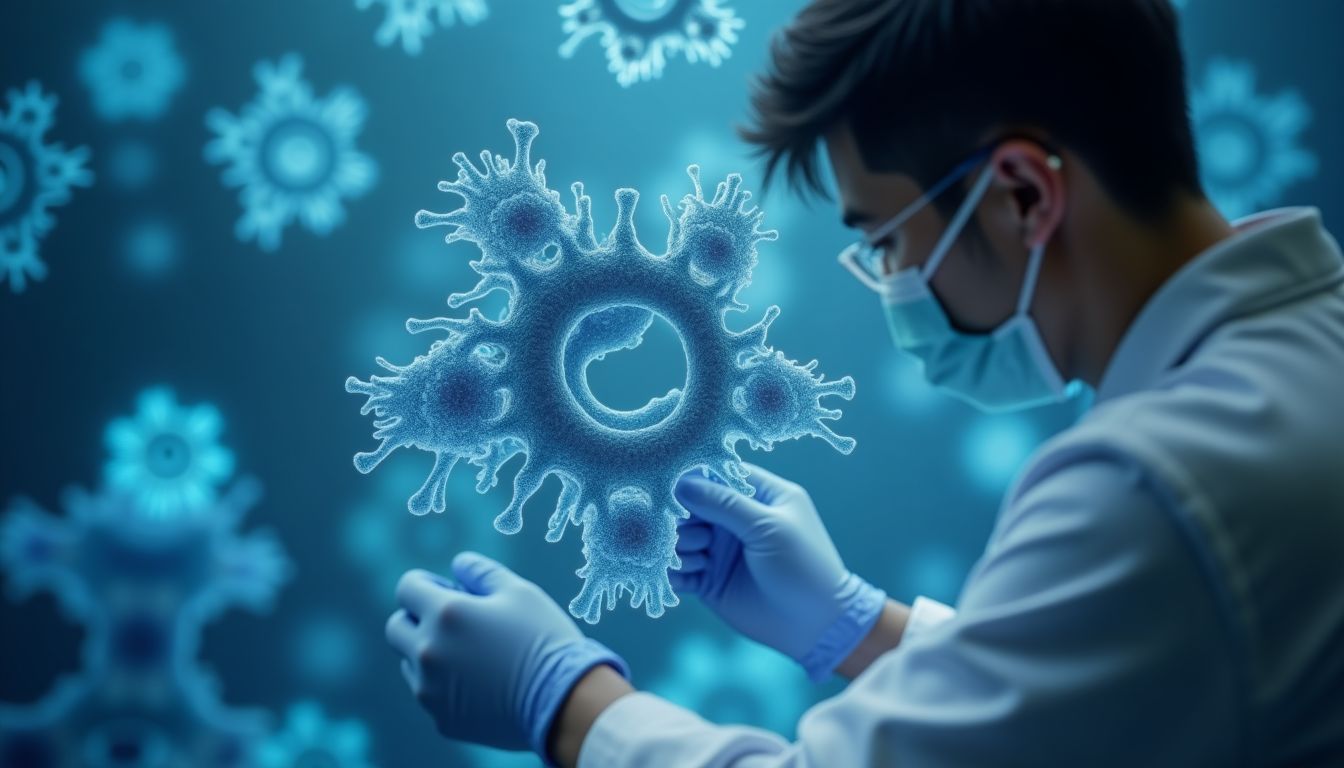
The breakthrough centers on a revolutionary process the team calls "Cellular Resurrection Protocol" (CRP). By combining patient-specific stem cells with a newly developed growth factor cocktail called "RegenSerum-7," researchers created an environment where supposedly irreversibly damaged cells could regenerate.
The process involves extracting the patient's own cells, reprogramming them into pluripotent stem cells, and then introducing them back into the damaged tissue along with RegenSerum-7. Within hours, dead tissue begins showing signs of renewed cellular activity.
"The implications are staggering," explained Dr. Sarah Martinez, a cardiac specialist at Johns Hopkins who reviewed the research. "If this technology can be replicated, we're looking at a complete paradigm shift in how we approach organ failure, heart disease, and potentially aging itself."
Patient Recovery Defies Medical Expectations
Mr. Liu's recovery has been nothing short of miraculous. Pre-treatment scans showed 60% of his heart muscle was necrotic (dead). Post-treatment imaging reveals a fully functioning heart with cardiac output levels matching those of a healthy 30-year-old.
"I feel like I've been given a second life," Liu told reporters from his hospital bed. "Three days ago, doctors told my family to prepare for the worst. Today, they're calling me a medical miracle."
Global Medical Community Responds
The announcement has sent shockwaves through the international medical community. Dr. Robert Thompson, director of regenerative medicine at Harvard Medical School, called the results "unprecedented but requiring rigorous peer review."
"While the initial results are extraordinary, we need to see this replicated in controlled clinical trials," Thompson cautioned. "If verified, this could represent the most significant medical advancement since the discovery of antibiotics."
What This Means for the Future
NTUH plans to begin Phase II clinical trials involving 100 patients within six months. The hospital has already received approval from Taiwan's Food and Drug Administration and is seeking emergency use authorization from the FDA.
Beyond cardiac applications, researchers believe the technology could treat liver failure, kidney disease, stroke damage, and potentially reverse age-related cellular deterioration.
"We're not just treating disease anymore," Dr. Chen concluded. "We're literally conquering death at the cellular level. This is Taiwan bringing a gift to the entire world."
The research was published simultaneously in Nature Medicine and the New England Journal of Medicine, with full data transparency promised within 30 days.