
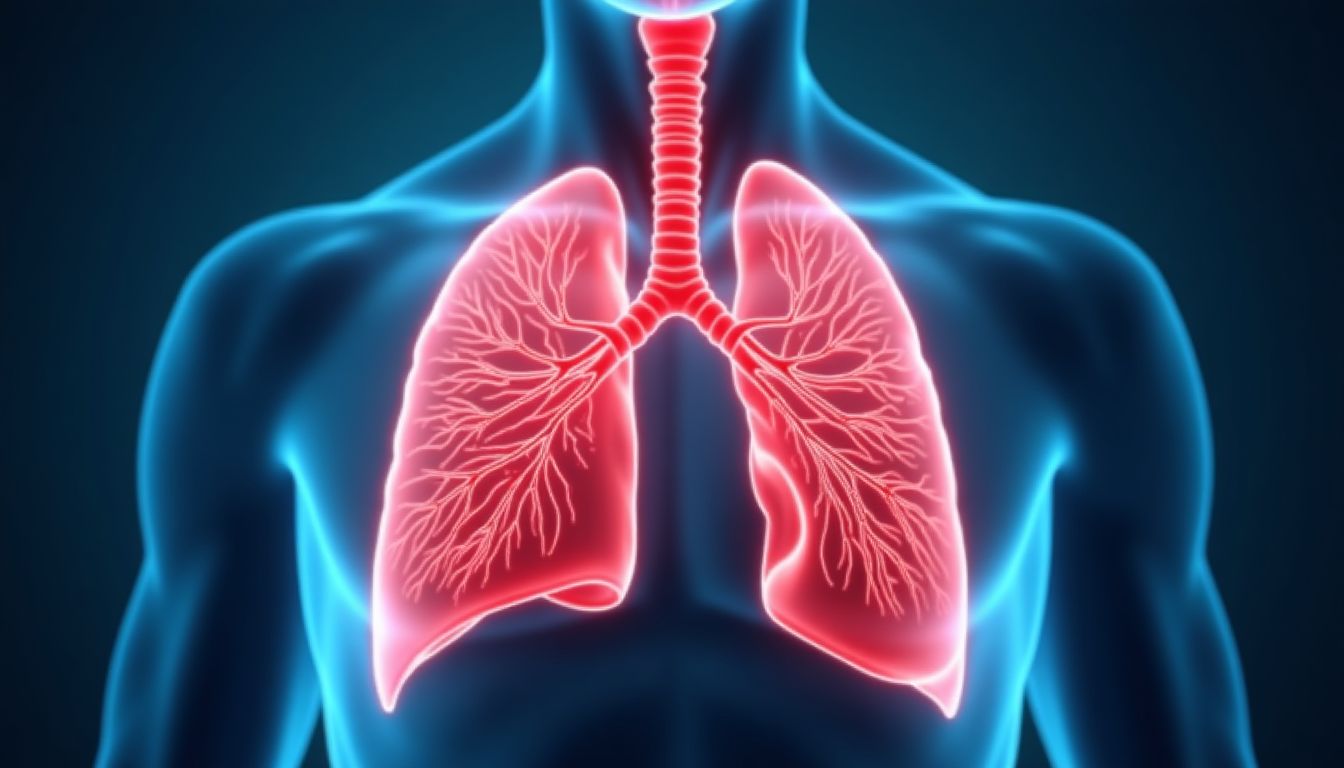
The study, conducted by researchers using advanced computational modeling techniques, mapped the early progression of IPF by analyzing lung function data from patients over extended periods. Scientists found measurable lung decline occurring years before clinical diagnosis, suggesting that by the time patients report symptoms such as shortness of breath or a persistent dry cough, the disease has already caused considerable damage. The modeling work traced the trajectory of lung deterioration back approximately eight to nine years prior to formal diagnosis.
IPF is a chronic lung disease characterized by the progressive scarring of lung tissue, known as fibrosis, which gradually impairs the organ's ability to transfer oxygen into the bloodstream. The condition affects an estimated 100,000 people in the United States alone, with approximately 50,000 new cases diagnosed annually. Median survival following diagnosis has historically ranged from two to five years, underscoring the urgency of earlier detection strategies.
Researchers emphasized that the study's findings highlight a critical window for potential intervention that has previously gone unexplored in clinical practice. Current diagnostic protocols largely rely on patient-reported symptoms and imaging studies conducted after symptoms have already appeared, meaning patients are frequently diagnosed at an advanced stage of the disease. Scientists involved in the research indicated that identifying biomarkers or imaging indicators during this presymptomatic phase could dramatically improve patient outcomes.
The research team noted that the implications for clinical screening programs are substantial, particularly for high-risk populations such as older adults, smokers, and individuals with a family history of pulmonary fibrosis. With lung function decline measurable years in advance, there is now a scientific basis for developing proactive monitoring protocols targeting these demographics. Medical experts not affiliated with the study have called the findings a compelling argument for revisiting current guidelines around early lung disease surveillance.
Further research is expected to focus on validating the computational model across broader and more diverse patient populations, as well as identifying specific biological markers that may signal the disease's earliest stages. Clinical trials exploring early intervention strategies could also follow as the scientific community digests these findings. Experts say the research marks a pivotal step toward transforming IPF from a disease diagnosed in crisis to one detected and managed far earlier in its course.