
Wall Street's Wild Ride: S&P 500 Erases Losses as Traders Bet on De-escalation
In one of the most volatile trading sessions of the year, the S&P 500 clawed back from a gut-wrenching 3.4% morning plunge to turn positive Monday afternoon, closing up 2.1% as bargain hunters flooded back into equities following the latest escalation between the United States and Iran. The index briefly touched 4,812 before settling at approximately 4,897 — a staggering 270-point swing that left seasoned traders shaking their heads.
The dramatic reversal came even as crude oil futures surged more than 8% to $47.30 per barrel — their sharpest single-day jump since the early days of the Russia-Ukraine conflict — raising alarms about inflationary pressure and supply chain disruptions that could ripple across nearly every sector of the global economy.
What Triggered the Chaos
The sell-off began in pre-market trading after the Pentagon confirmed that U.S. forces launched targeted airstrikes on three Iranian military installations near the Strait of Hormuz late Sunday evening, in direct response to a drone attack on a U.S. naval vessel that wounded 14 sailors. Iran's Islamic Revolutionary Guard Corps swiftly retaliated with ballistic missile strikes on two U.S. bases in the region, raising the specter of a full-scale military confrontation not seen in decades.
"This is the scenario every energy analyst has been stress-testing for years — a direct military conflict that puts the Strait of Hormuz in play," said Marcus Heller, chief geopolitical strategist at CrossBridge Capital. "Roughly 21 million barrels of oil pass through that chokepoint every single day. Even a partial disruption would be catastrophic for global supply."
The Dip Buyers Arrive
Despite the severity of the geopolitical flashpoint, institutional investors moved quickly to accumulate positions during the morning lows, particularly in energy stocks, defense contractors, and commodity-linked assets. ExxonMobil surged 11.4%, Chevron jumped 9.8%, and Lockheed Martin added 7.2% by midday — all posting their best single-session gains in over two years.
Technology stocks, which bore the brunt of the initial sell-off, also staged impressive recoveries. Apple recovered from a 4.1% drop to close down just 0.3%, while Nvidia erased nearly all of a 5.6% morning loss to finish 0.8% lower.
"The muscle memory of 'buy the dip' is deeply embedded in this market," said Sarah Okonkwo, senior portfolio manager at Meridian Wealth Advisors. "Investors have been conditioned by years of central bank backstops and quick recoveries. Whether that instinct is wise given a genuine shooting war between nuclear-adjacent powers — that's the trillion-dollar question."
Energy Markets in the Crosshairs
The International Energy Agency issued an emergency statement Monday afternoon, warning that any sustained blockade or military activity near the Strait of Hormuz could remove between 15% and 20% of global oil supply from the market "within days, not weeks." Saudi Arabia, Iraq, Kuwait, and the UAE — all heavily dependent on the strait for oil exports — convened an emergency virtual summit, according to two sources familiar with the discussions.
Natural gas futures also spiked 12% on European markets, with Germany and France already scrambling to assess strategic reserve levels heading into the heating season.
What Comes Next
White House National Security Advisor Jake Sullivan addressed reporters Monday afternoon, stating that the U.S. strikes were "precise, proportionate, and designed to degrade Iran's offensive capabilities without triggering broader war." However, Iran's Foreign Ministry called the strikes "an unforgivable act of aggression" and promised a "decisive and crushing response" through unspecified channels.
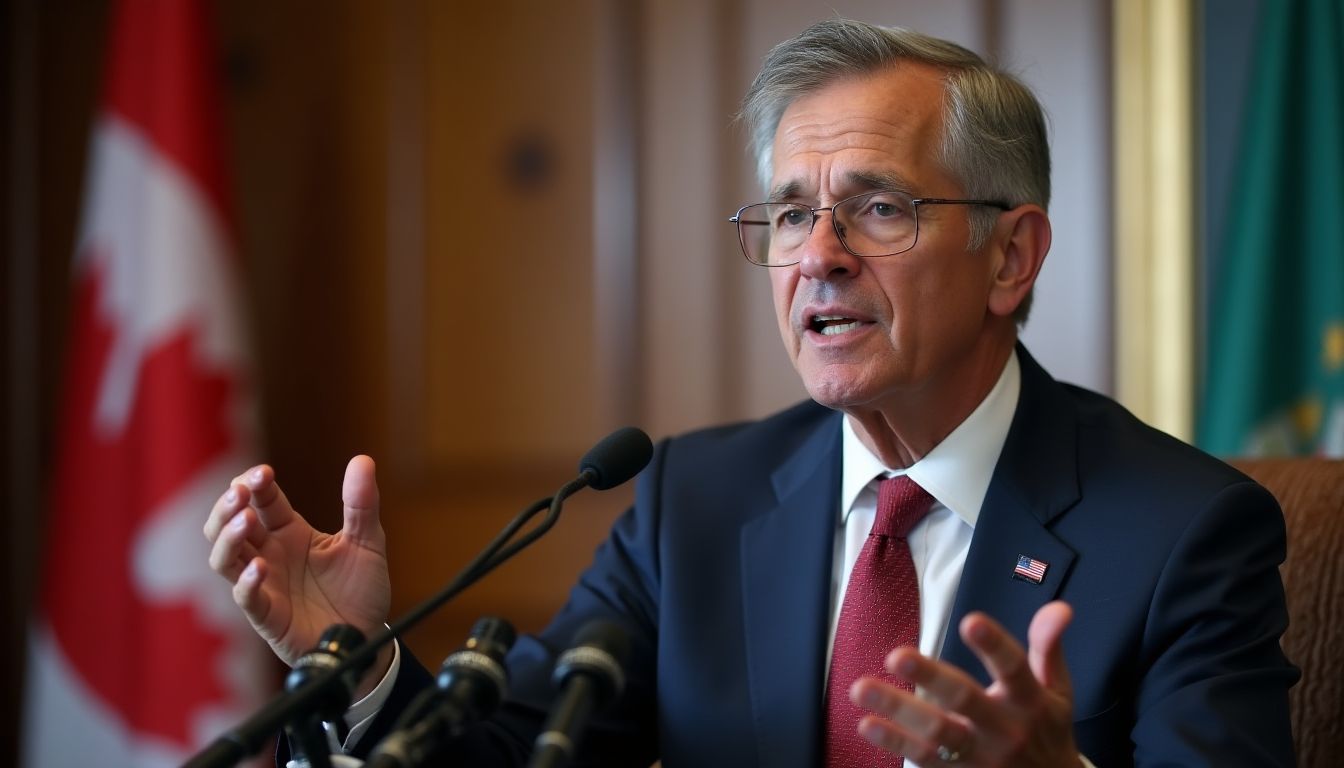
Federal Reserve officials are now facing renewed pressure, with traders pricing in a 68% probability that the Fed will pause any planned rate moves at its next meeting as policymakers weigh surging energy costs against an already fragile economic backdrop.
For now, Wall Street's stunning comeback has bought time — but with Iranian warships reportedly repositioning near the strait and U.S. carrier groups on high alert, the relief may prove painfully short-lived.