
OpenAI Aligns with Competitor's Military AI Stance
In an unexpected show of solidarity between AI rivals, OpenAI CEO Sam Altman announced Tuesday that his company shares Anthropic's stringent restrictions on military applications of artificial intelligence technology, marking a rare moment of unity in the competitive AI landscape.
The statement comes amid escalating tensions between Anthropic and the Pentagon, where defense officials have reportedly expressed frustration over limited access to the company's advanced Claude AI models for national security applications.
The 'Red Lines' That Sparked Controversy
Anthropic's military AI restrictions, dubbed 'red lines' by company leadership, prohibit the use of their Claude models for weapons development, autonomous lethal systems, and mass surveillance operations. The policy has drawn criticism from defense contractors and some Pentagon officials who argue it limits America's competitive edge in military AI development.
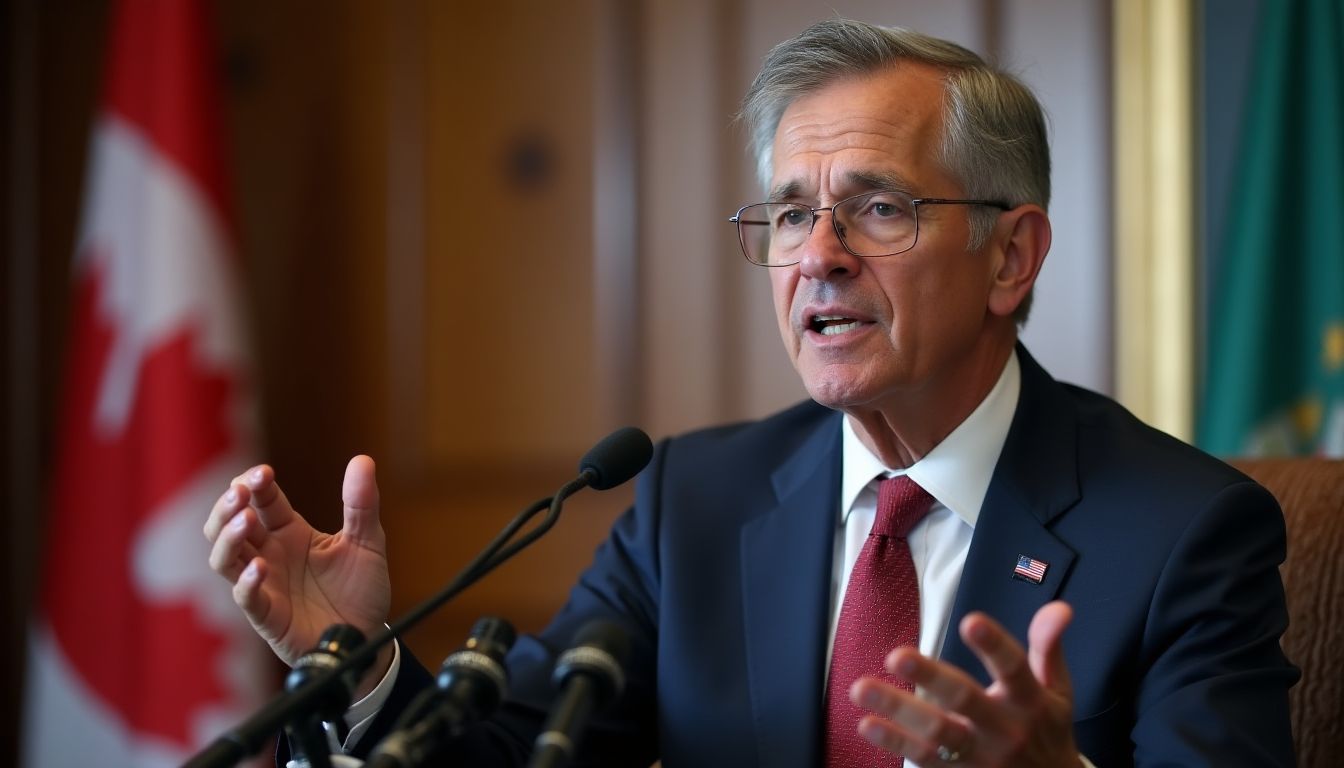
'We believe there are fundamental ethical boundaries that shouldn't be crossed, regardless of the client,' Altman said during a Stanford University conference on AI ethics. 'Anthropic has drawn reasonable lines in the sand, and we respect that approach.'
Pentagon Pushback Intensifies
Sources within the Department of Defense confirm that Anthropic's restrictions have complicated several classified AI research projects worth an estimated $2.3 billion in federal funding. Pentagon officials have reportedly begun exploring partnerships with other AI companies, including Microsoft-backed OpenAI, to fill the capability gaps.
Defense Department spokesperson Colonel Sarah Martinez declined to comment directly on the Anthropic dispute but emphasized the military's commitment to 'responsible AI development that maintains American technological superiority while adhering to international law.'
Industry Split on Military Applications
The AI industry remains deeply divided on military partnerships. While Anthropic and now OpenAI advocate for strict limitations, competitors like Palantir and several defense-focused AI startups have embraced Pentagon contracts as essential revenue streams.
Google faced similar internal conflicts in 2018 when employee protests forced the company to abandon its Project Maven military AI contract. Amazon and Microsoft have continued their substantial cloud computing partnerships with defense agencies despite occasional worker objections.
Financial Stakes and Market Impact
Anthropic's stance has cost the company an estimated $400 million in potential Pentagon contracts over the past 18 months, according to industry analysts. However, the company has simultaneously secured $2 billion in funding from Amazon, partly due to its ethical AI positioning appealing to privacy-conscious enterprise customers.
OpenAI's alignment with these restrictions could signal a broader industry shift toward ethical AI development, though critics argue it may handicap American military capabilities against adversaries like China, which faces fewer ethical constraints in military AI development.
What's Next for Military AI
The growing tension between AI ethics and national security needs is expected to intensify as both companies prepare to release more powerful AI models in 2024. Congressional leaders have called for hearings on military AI policy, while Pentagon officials explore creating dedicated government AI research facilities to reduce dependence on private companies with restrictive policies.
Altman's public support for Anthropic's position suggests the two companies may coordinate on broader AI safety initiatives, despite their intense competition in the commercial market. Both companies are expected to testify before Congress next month on AI regulation and national security implications.