
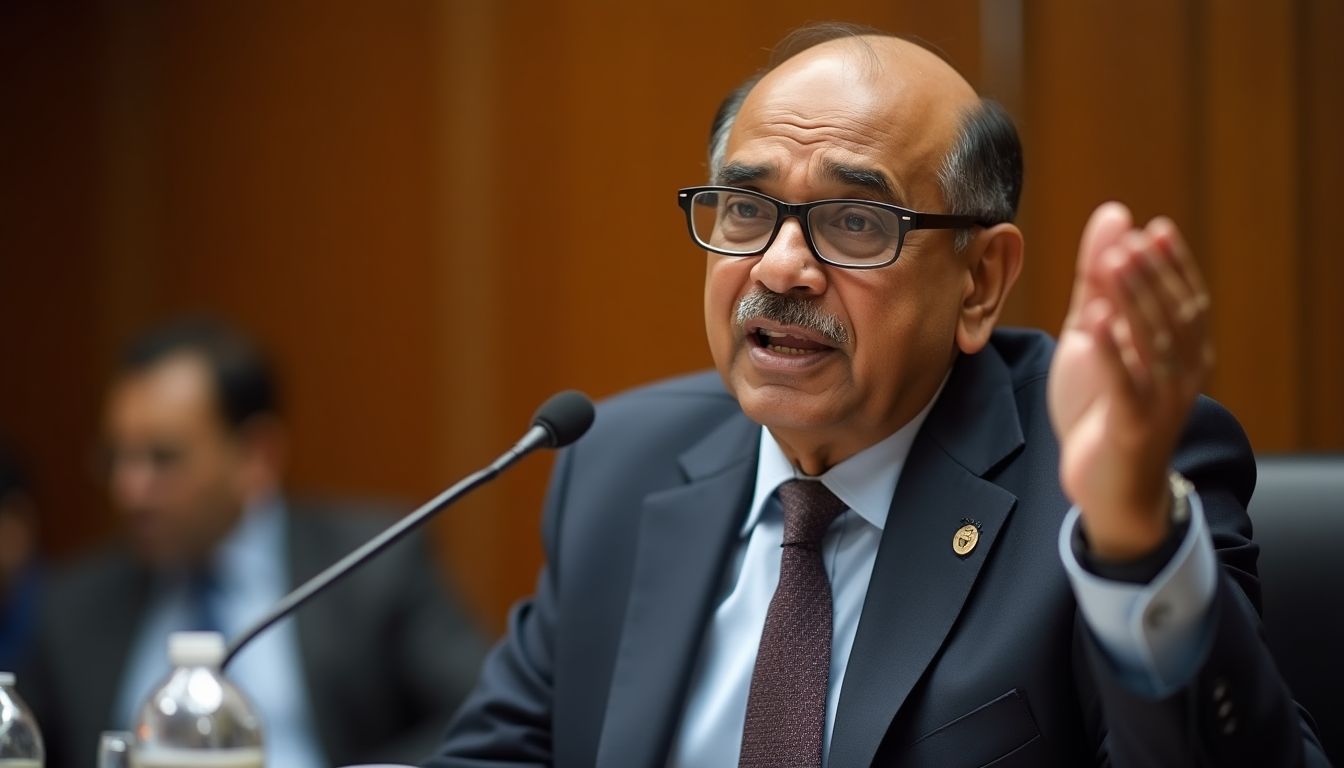
Reserve Bank of India Deputy Governor Swaminathan J has stressed that banking supervision needs to look beyond formal compliance requirements to effectively identify and address potential risks in the financial sector.
According to the RBI official, weak oversight in banking can result in hidden risks that may not be apparent through standard compliance reporting. Swaminathan J emphasized that supervisory authorities must go beyond the numbers reported by banks to gain a deeper understanding of their actual business operations.
Focus on Depositor Protection
The Deputy Governor highlighted that this enhanced supervisory approach is essential for protecting depositors and safeguarding the broader economy from potential banking sector vulnerabilities.
Digital Banking Challenges
Swaminathan J noted that the rise of digital banking brings new dimensions to supervisory oversight, requiring regulators to adapt their monitoring and assessment methods to keep pace with evolving banking technologies and practices.
The RBI's emphasis on looking beyond formal compliance reflects the central bank's recognition that traditional supervisory methods may not be sufficient to capture all risks in the modern banking environment. This approach aligns with the RBI's mandate to maintain financial stability and protect the interests of depositors.
The Deputy Governor's comments underscore the importance of robust supervisory frameworks that can identify potential issues before they materialize into larger problems that could affect the stability of individual banks or the broader financial system.