The AI Behind the Airstrikes: How Anthropic's Claude Became a Pentagon War Tool
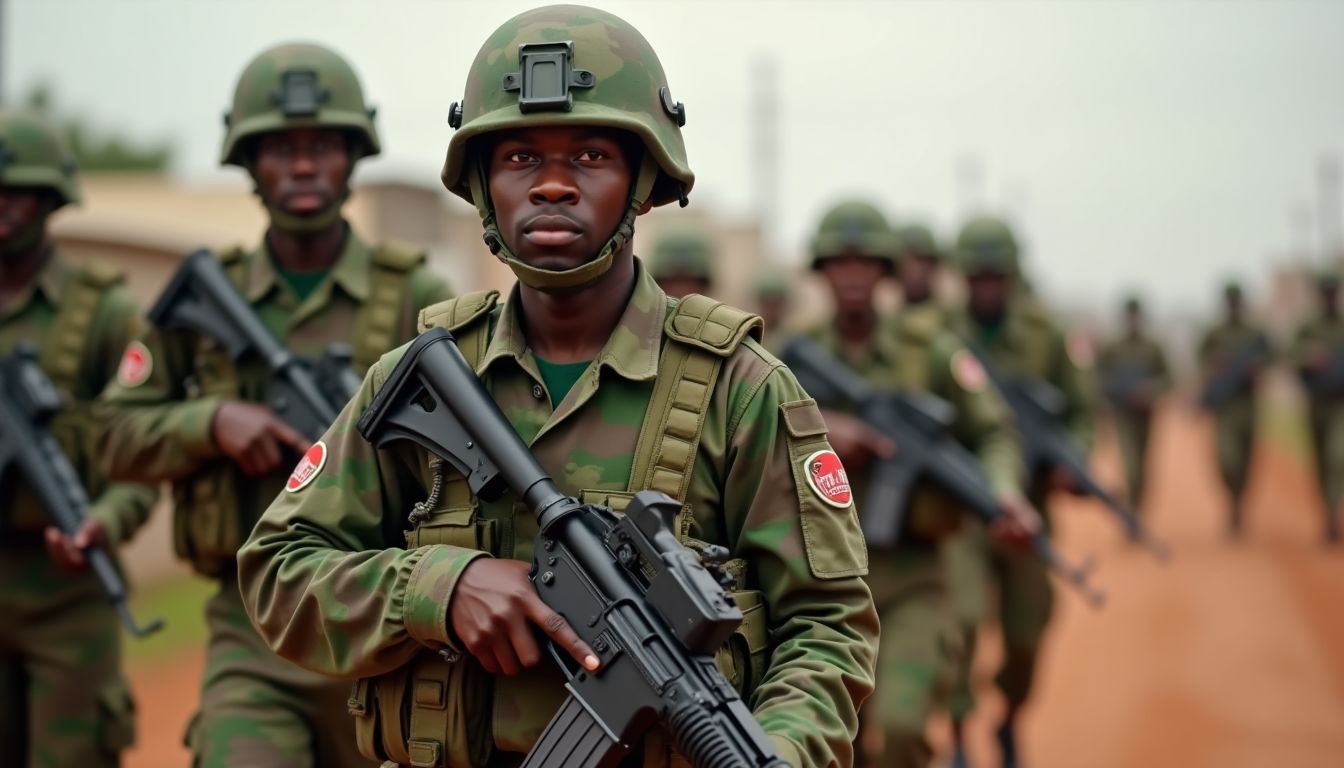
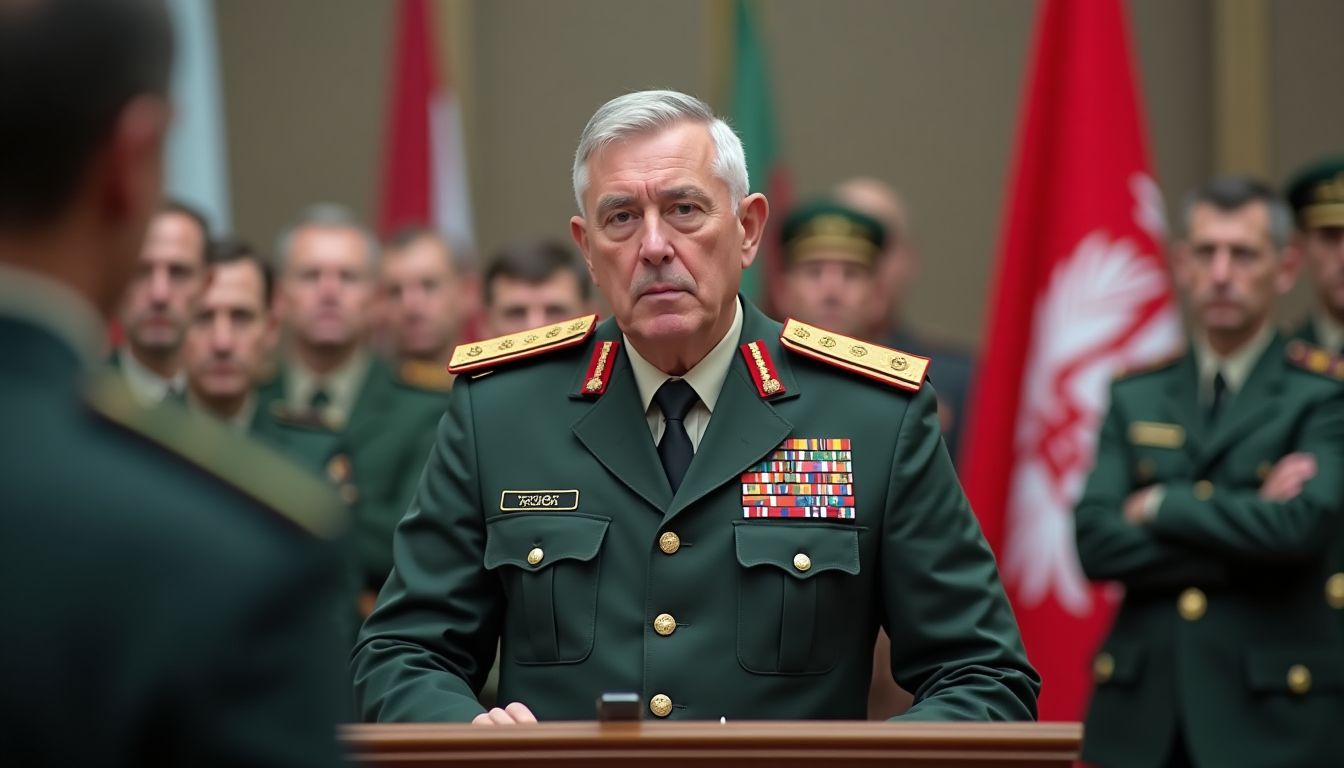
In the tense, clock-ticking days before President Donald Trump ordered military strikes against Iran, a different kind of battle was already underway inside the Pentagon — one fought not with missiles or warships, but with machine learning models and artificial intelligence prompts.
According to sources familiar with the operations, the U.S. Department of Defense had been actively utilizing Anthropic's Claude AI platform as part of its broader defense intelligence and planning infrastructure in the lead-up to what would become one of the most significant U.S. military engagements in the Middle East in years.
Anthropic's Claude: From Chatbot to Command Center?
Anthropic, the San Francisco-based AI safety company founded in 2021 and valued at over $18 billion, has long marketed Claude as a responsible, safety-focused AI assistant. But its growing footprint in U.S. government and defense contracting has thrust the company into an uncomfortable spotlight.
"The Department of Defense has been rapidly expanding its AI capabilities across all branches," said one defense technology analyst, speaking on condition of anonymity. "Claude is one of several frontier models being evaluated and actively used for intelligence synthesis, logistics modeling, and decision-support systems."
The Pentagon's budget for AI and autonomous systems exceeded $1.8 billion in fiscal year 2024, and that figure is expected to climb sharply under the Trump administration's renewed push for military technological dominance.
What Was the AI Actually Doing?
While the precise applications remain classified, defense insiders suggest AI tools like Claude are being used for a range of pre-strike functions — from processing vast quantities of signals intelligence and satellite imagery analysis, to war-gaming potential Iranian responses and modeling the humanitarian impact of various strike packages.
"These systems don't pull the trigger," clarified Dr. Melissa Hartwell, a senior fellow at the Center for Strategic and International Studies. "But they are absolutely compressing the decision-making timeline in ways we've never seen before. What took 72 hours of analyst work can now take 4 hours."
That compression of time, critics argue, is precisely what makes AI integration in military operations so dangerous — and so poorly understood by the public.
Anthropic Faces Uncomfortable Questions
Anthropic has not publicly confirmed or denied its technology's role in U.S. military operations against Iran. The company's usage policies technically prohibit Claude from being used to "plan attacks" or assist in activities that cause "physical harm" — language that defense lawyers and AI ethicists say is dangerously vague when applied to state-sanctioned military action.
In a statement provided to Know It Now, an Anthropic spokesperson said: "We take the responsible deployment of our technology extremely seriously and work closely with partners to ensure compliance with our usage policies." The company declined to comment on specific government contracts.
Anthropic has previously secured contracts with the U.S. government through intermediaries, and Amazon — which has invested over $4 billion in the company — holds significant cloud infrastructure contracts with the CIA and Department of Defense.
The Bigger Picture: AI and the Future of American Warfare
The Iran operation may mark a historic, if largely invisible, turning point: the first major U.S. military engagement where frontier AI models played a documented role in the planning pipeline.
"This is the moment historians will look back on," said Dr. Paul Scharre, author of Four Battlegrounds: Power in the Age of Artificial Intelligence. "Not because AI fired a weapon — it didn't — but because it was in the room where decisions were made."
With Congress largely absent from the AI-in-warfare debate, and no binding international framework governing military AI use, the United States appears to be writing the rules as it goes — at 30,000 feet, in real time, over Iranian airspace.