
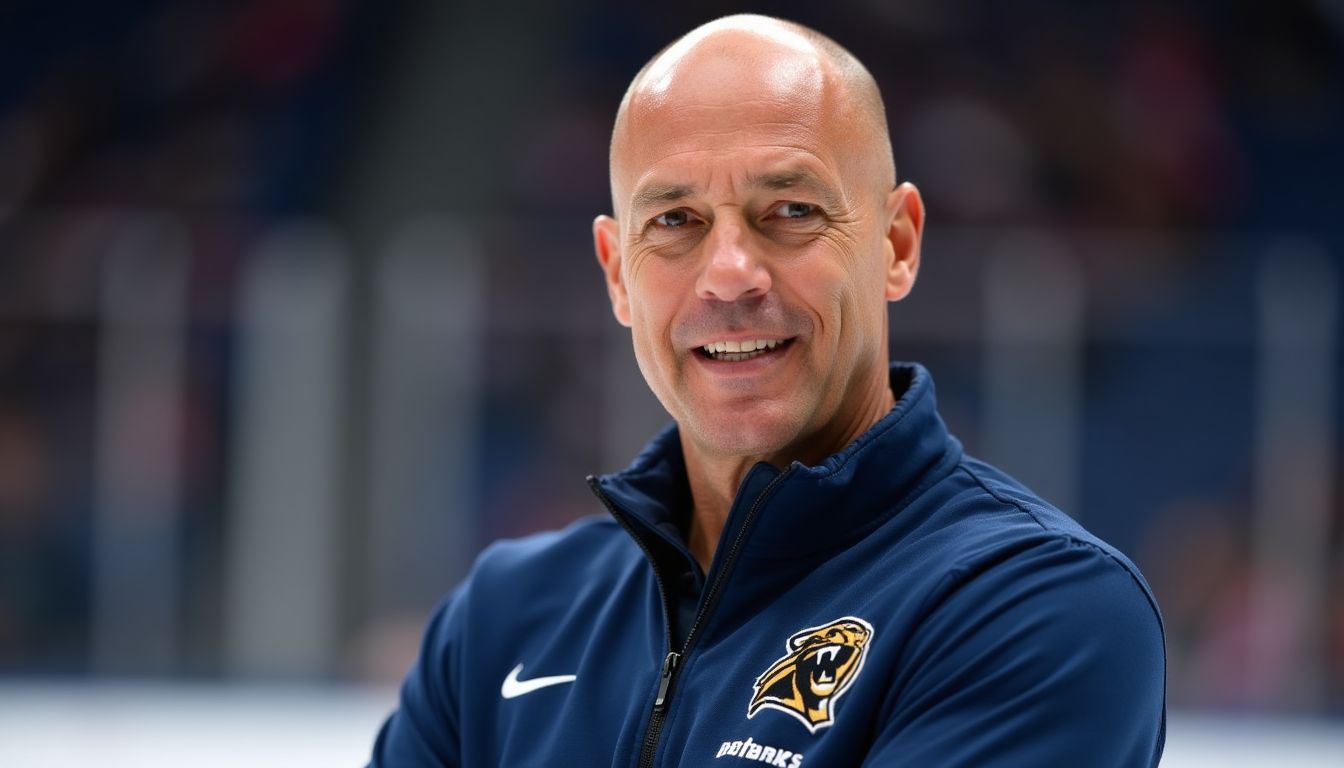
Florida Panthers head coach Paul Maurice is poised to reach a rare milestone in professional hockey, becoming only the second coach to officiate 2,000 games behind the bench.
Maurice will join Scotty Bowman as the only men to coach 2,000 games in their careers, according to ESPN. This achievement places Maurice in extremely exclusive company within the coaching ranks of professional hockey.
Historical Context
Scotty Bowman, widely regarded as one of the greatest coaches in hockey history, previously held the distinction as the sole member of the 2,000-game club. Bowman coached 2,141 regular season games during his legendary career, which spanned from 1967 to 2002 and included nine Stanley Cup championships.
The 2,000-game threshold represents decades of dedication to coaching at the highest level. To reach this milestone, a coach must average approximately 75-80 games per season over 25-27 years, accounting for regular season schedules and potential playoff runs.
Maurice's Coaching Journey
Paul Maurice has built his coaching career across multiple decades and organizations in the National Hockey League. His path to 2,000 games has included tenures with several NHL franchises, demonstrating both longevity and the confidence organizations have placed in his leadership.
Maurice currently leads the Florida Panthers, guiding the team through their current season as he approaches this historic benchmark. The Panthers organization will witness their head coach achieve a feat accomplished by only one other person in the sport's history.
Significance of the Milestone
Reaching 2,000 coached games represents more than just numerical achievement—it reflects sustained excellence and trust from multiple organizations over an extended period. The rarity of this accomplishment underscores the challenges of maintaining a coaching career at the NHL level for the time required to reach such numbers.
When Maurice officially reaches 2,000 games, the coaching milestone will represent a significant moment for both his personal career and the broader hockey community, as such achievements become increasingly rare in modern professional sports.