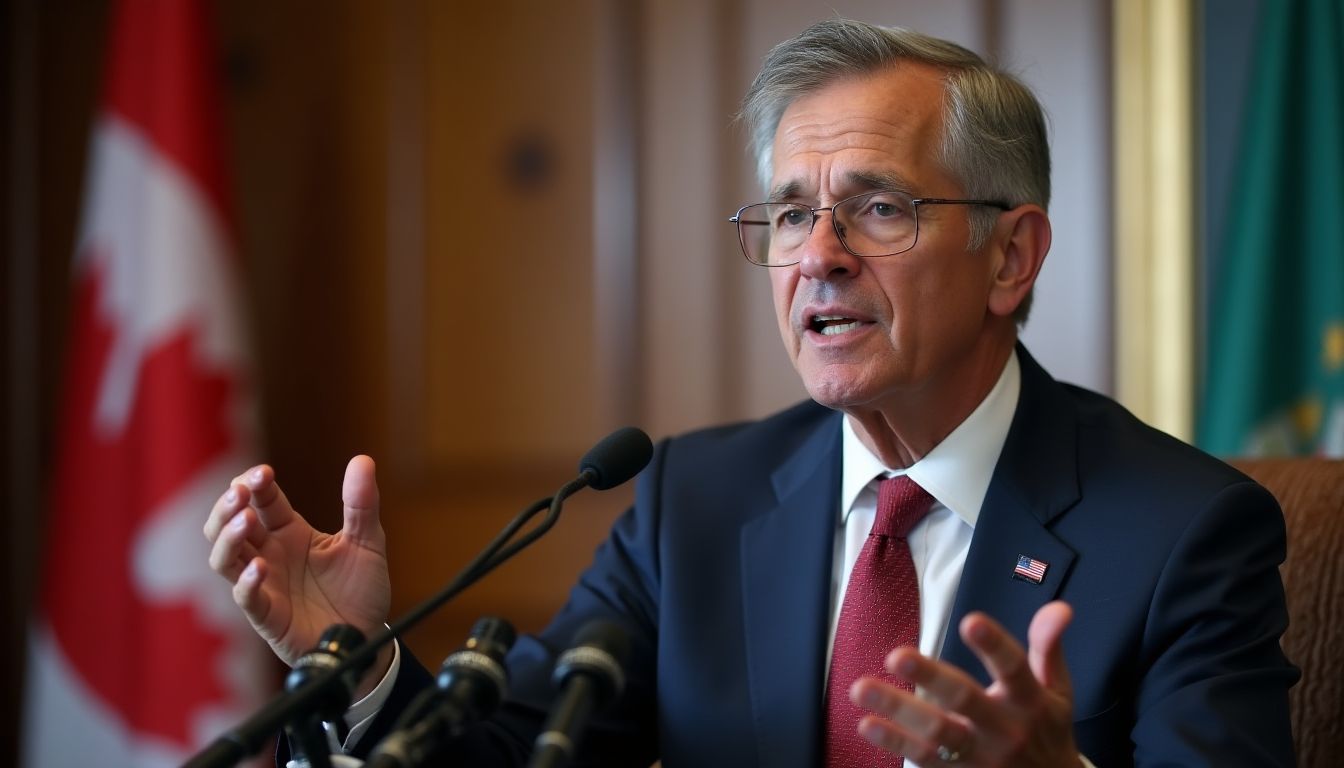

Oil prices have surged to a two-year high after Qatar's Energy Minister Saad al-Kaabi warned that all Gulf oil production could stop within days amid escalating regional tensions.
According to al-Kaabi, oil prices could reach $150 per barrel if the Iran conflict continues over the coming weeks. The warning comes as geopolitical tensions in the region threaten to disrupt oil supplies from one of the world's most critical energy-producing areas.
Gulf Region's Critical Role in Global Oil Supply
The Gulf region accounts for a significant portion of global oil production, making any potential disruption a major concern for international energy markets. Qatar, along with other Gulf states, plays a crucial role in maintaining global energy security through consistent oil and natural gas production.
The warning from Qatar's top energy official highlights how regional conflicts can directly impact global commodity markets. Oil prices are particularly sensitive to supply disruptions in the Middle East, where much of the world's easily accessible crude oil reserves are located.
Market Response to Supply Concerns
The two-year high in oil prices reflects market concerns about potential supply shortages if Gulf production were to halt. Energy markets typically respond quickly to geopolitical developments that could affect supply chains, particularly in regions with significant production capacity.
Al-Kaabi's projection of oil reaching $150 per barrel represents a substantial increase from current levels, indicating the severity of potential supply disruptions if regional tensions escalate further. Such price levels would have significant implications for global economic activity and consumer costs worldwide.
The timeline mentioned by Qatar's Energy Minister suggests that any potential production halt could occur rapidly, giving markets little time to adjust or find alternative supply sources in the short term.